Two Idaho Falls men vanished on Mt. Borah in 1977. Here’s the rest of the story.
Published at | Updated at
MACKAY — Hundreds of people came together to search for two Idaho Falls men who went missing while climbing Mt. Borah in 1977.
The story on the missing climbers was featured in our weekly Looking Back column, which looks back on what life was like during different periods in east Idaho history.
Guy Campbell and Vaughn Howard disappear
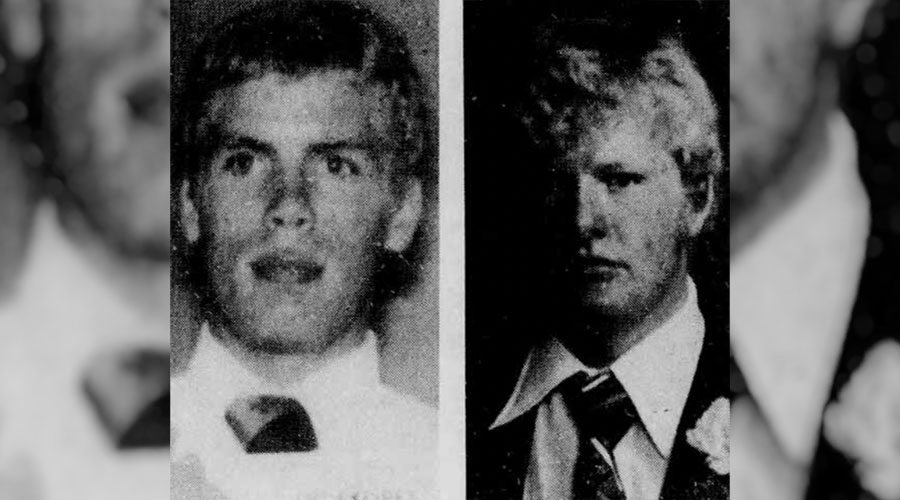
Guy Campbell, 21, and Vaughn Howard, 22, were going to Mt. Borah for an overnight trip during Thanksgiving weekend in 1977. A search for the two men began on Nov. 27, 1977.
Howard was working for an Idaho Falls rental store and Campbell, Howard’s brother-in-law, was an employee of the city of Idaho Falls at the time they went missing. Campbell was married to Howard’s sister Machel. They had no children and Howard was single.
Campbell was an “experienced outdoorsman and mountain climber” and for months he reportedly had promised to take Howard to the mountains and teach him about “climbing and its thrills.” The Howard family told East Idaho News this is inaccurate and Howard was the one experienced in mountaineering.
Hundreds of searchers scour the mountain
More than 300 people, including numerous volunteers, as well as Bonneville, Custer and Butte County rescue units, were part of the search.
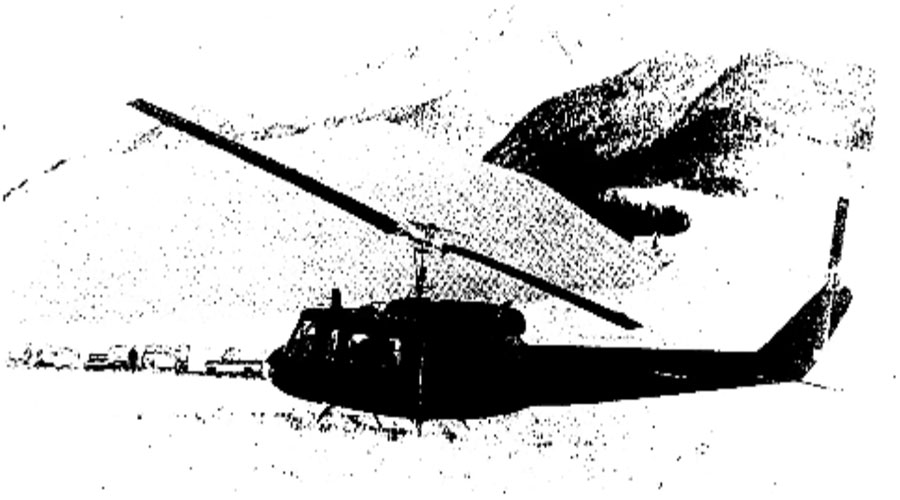
On Dec. 1, 1977, the Idaho Falls Post Register reported that Custer County Deputy Bob Esterholdt said about 50 people, including expert mountain climbers, were lifted to upper reaches of the 12,662-foot peak by helicopter. They were dropped off in two, three and four-man teams to look for the men.
He said a two-man team was set down on the upper saddle about 500 yards from the summit Wednesday morning and confirmed the men had not signed the log on top of the state’s highest peak.
The men’s basecamp was sniffed out by a bloodhound from the Bonneville County Search and Rescue unit. A tent, sleeping bags and a backpack were found in the camp, which was about 8,000 feet up the mountain.
“The dog followed their trail about a half-mile from the camp, but he lost the scent when the snow got deeper,” Bonneville County sheriff Blaine Skinner said. He added the scent was probably four days old.
An airplane took infrared photos of the mountain’s higher reaches in hopes of discovering indications of body heat. But Skinner said the photos revealed nothing.
Along with the base camp that was discovered, the men’s pickup was found at the base of the mountain but no other traces of the men were found.
Search officially called off
The search was officially called off on Nov. 30, 1977. However, family members and friends continued to look for the men.
“It was as though the mountain swallowed them up,” Campbell’s father, Marvin Campbell, said.
On Dec. 10, 1977, the Post Register reported the families had not given up hope of finding Campbell and Howard.
“We’re going to look until we find them,” Howard’s 21-year-old brother, Terry, said.
He and his older brother Mike, 26, planned to search the mountain every weekend the weather allowed.
Search resumes in the summer, bodies recovered
Campbell’s and Howard’s families searched for the missing bodies almost every weekend during the summer of 1978.
On the weekend of Aug. 26, 1978, search and rescue teams from Custer, Bonneville, Butte and Lemhi Counties gathered to resume their search one more time before it started to snow again. There were 62 people who showed up at the mountain’s base that morning and around noon, Custer County Search and Rescue members came across the bodies.
The men were found with their climbing gear at the bottom of an avalanche bowl on the northwest face of Mt. Borah. They had been swallowed by an avalanche and were buried for nine months under 30 feet of snow.
“Members of our group said they had searched the ground last winter and probably went within 30 feet of where the bodies lay,” Custer County sheriff’s dispatcher Sandy James said. “But the snow depths were too great.”
James mentioned that one of Howard’s brothers had searched the northwest avalanche bowl only a week earlier and the bodies were not uncovered then.
She said the two young men were apparently returning from climbing an ice wall on the north face of the mountain when the avalanche broke. She explained they died quickly because they were lying face down in the 30-foot snow pack and there were no signs of struggle.
Search and rescue members had to carry the bodies over a mile from where they were found to an area where a forest service helicopter could land to pick them up.
Howard ended up being buried in the Ririe Shelton Cemetery and Campbell was buried in the Rose Hill Cemetery.