



Idaho Supreme Court upholds law shielding patients from surprise medical collections
Published at | Updated at
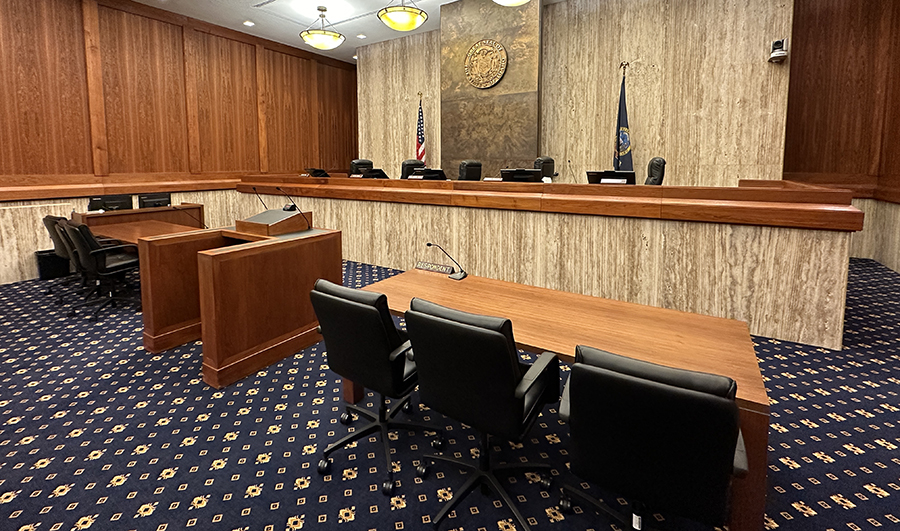
IDAHO FALLS – The Idaho Supreme Court has upheld the constitutionality of the Idaho Patient Act, a law designed to rein in aggressive medical debt collection, bringing to a close a lengthy and contentious legal battle.
In a Jan. 9 ruling, the court upheld the dismissed complaint filed by Idaho Falls-based Ridgeline Medical and ruled the Idaho Patient Act is legal and constitutional.
The act was passed in 2020 and is designed to protect patients from aggressive or premature debt collection on medical bills. It requires healthcare providers to give patients timely, itemized bills before sending accounts to collections, extends the waiting period before legal action can be taken, and mandates clear notice to patients about potential charges.
The case
In March 2021, David Lyon received medical treatment from Ridgeline Medical and was charged $777, according to court documents.
The clinic stated that it sent a final medical statement to Lyon on April 2, 2021, as required by the Idaho Patient Act; however, attorneys for both sides agree that Lyon never received that statement.
A little over two months after treatment, Ridgeline hired Bryan Smith from Smith Driscoll & Associates to collect the debt owed by Lyon. Edward Dindinger with Dindinger & Kohler in Boise represented Lyon.
Smith Driscoll & Associates sent demand letters to the address provided by Lyon, threatening to file a lawsuit if the debt remained unpaid. Documents indicate that Lyon did not respond, and on Aug. 4, 2021, he was sued for the debt.
RELATED | Seventh District Court Judge Bruce Pickett rules Idaho Patient Act is constitutional
Smith claimed that the Idaho Patient Act violated the First Amendment’s right to petition the government for relief and the Eighth Amendment, which prohibits the use of excessive fines.
Initially, Magistrate Judge Jason Walker ruled three portions of the act unconstitutional in the case. The Idaho Attorney General’s office then intervened at the request of Melaleuca, saying they were not initially aware of the case and should have been notified about it by Smith Driscoll & Associates because the constitutionality of a state law was being challenged.
RELATED | Judges rule parts of Idaho Patient Act unconstitutional; Melaleuca calls foul
Walker granted the motion to intervene and held a second hearing on the constitutional issues. Ridgeline abandoned its Eighth Amendment argument and instead argued that the Idaho Patient Act’s statutory penalty provision violated the Fourteenth Amendment’s Substantive Due Process Clause, meaning that Ridgeline argued the court was not allowing them a fair, legal process.
Walker then reversed his decision on Aug. 11, 2023, declaring the Idaho Patient Act constitutional.
Smith Driscoll & Associates appealed that ruling, moving the case to the district court where District Judge Bruce Pickett upheld the lower court’s ruling.
Ridgeline then appealed Pickett’s decision, sending it to the Idaho Supreme Court, which affirmed the lower courts ruling.
RELATED | Gov. Little signs Idaho Patient Act into law
The final ruling
A summary from the Idaho Supreme Court says the Idaho Patient Act did not violate free speech rights, because the speech involved was commercial, which is less protected under the Constitution than other types of speech.
The Idaho Supreme Court also found the Idaho Patient Act did not violate the First Amendment’s right to petition the government, as Smith has claimed.
Ridgeline argued that the act violates the constitutional right to “pre-petitioning activity,” which is not actually protected by the Constitution. The Constitution does uphold the right to petition, but there is no case law on addressing “pre-petition” activity.
Smith argued that the government was keeping his client from addressing the courts recover what was specifically owed because the Idaho Patient Act imposed additional steps once Ridgeline hired a debt collector before the lawsuit was filed.
The court wrote that the Idaho Patient Act also does not violate the First Amendment because “the IPA does not prohibit the medical creditor from sending its own demand letters, hiring attorneys, or obtaining legal advice.”
“The Court held that the challenged provisions did not infringe on the right to petition because the IPA does not deprive Ridgeline of a cause of action,” the case summary says. “The Court held that, to the extent a right to engage in pre-petitioning activity exists, Ridgeline failed to establish that the IPA infringed on pre-petitioning activity.”
Ridgeline also claimed that the Idaho Patient Act violated the Fourteenth Amendment’s equal protection and Due Process clauses, and that the act’s statutory penalty provision violated the Eighth Amendment. The Idaho Supreme Court denied this, saying that the Idaho Patient Act did not violate their right to due process, and did not threaten them with excessive fines for penalties.
“The court held that the challenged provisions did not violate the Fourteenth Amendment because Ridgeline failed to establish that the IPA violated a fundamental right or involved a suspect classification or that the IPA’s statutory penalty provisions were so “obviously unreasonable” as to violate the Substantive Due Process Clause,” says the summary.
The Supreme Court also ruled that neither Ridgeline nor David Lyon will get attorney fees on appeal.
The attorney fees would normally be awarded to the patient; in this case, the Supreme Court decided to “decline to award Lyon attorney fees.”
History of the Idaho Patient Act
Melaleuca was the driving force and central advocate for the Idaho Patient Act, which took effect on Jan. 1, 2021. The legislation’s goal was to “ensure patients receive timely, accurate and understandable medical bills, and curb debt-collection abuses, including outrageous attorney fee awards for medical debt collection attorneys.”
The company and Frank VanderSloot, its executive chairman, became interested in medical debt collection practices after an employee was sued by Medical Recovery Services (MRS) for an outstanding $294 bill she didn’t know she had. After several hearings, MRS attorney Bryan Smith requested nearly $6,000 in attorney fees.
EastIdahoNews.com ran a series of stories about Smith and the collection company. VanderSloot said he was shocked at the number of people who came forward with similar stories.
While the Idaho Patient Act was being debated in the Legislature, Smith, an owner of Smith Driscoll & Associates, was heavily critical of the proposed legislation. One of his fellow attorneys at the law firm, Bryan Zollinger, who was also serving in the Idaho Legislature at the time, gave a lengthy presentation on the House floor claiming the bill was unconstitutional.
Despite the objections, the Idaho Patient Act overwhelmingly passed the Idaho Legislature in March 2020.