



Infant’s death is behind push to change child protection laws in Idaho
Published at | Updated at
Shannon Tyler, Idaho Statesman
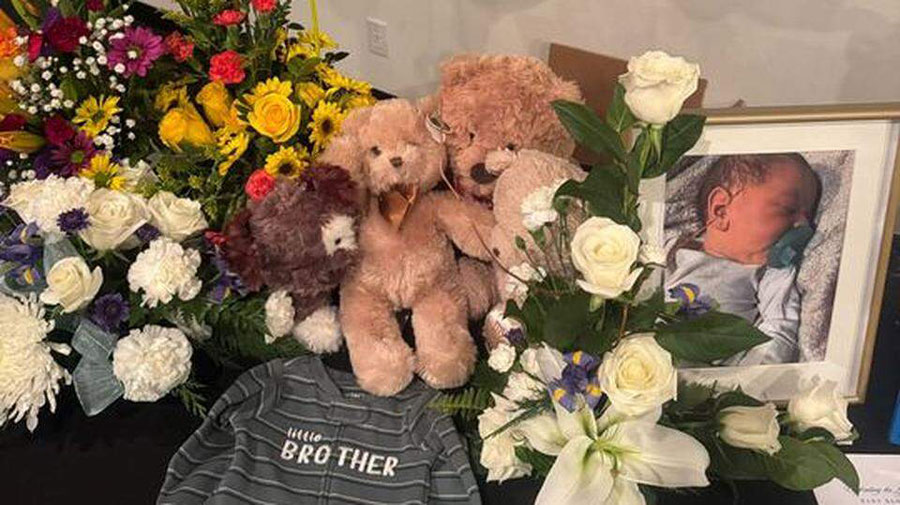
BOISE (Idaho Statesman) — Idaho Child Protective Services tried to make a welfare check on a couple and newborn child in December. Days later, that infant was found dead at a home in Nampa.
The incident has led to a call for better protections for children in cases of abuse, including new legislation that a Democratic state senator hopes to introduce this session.
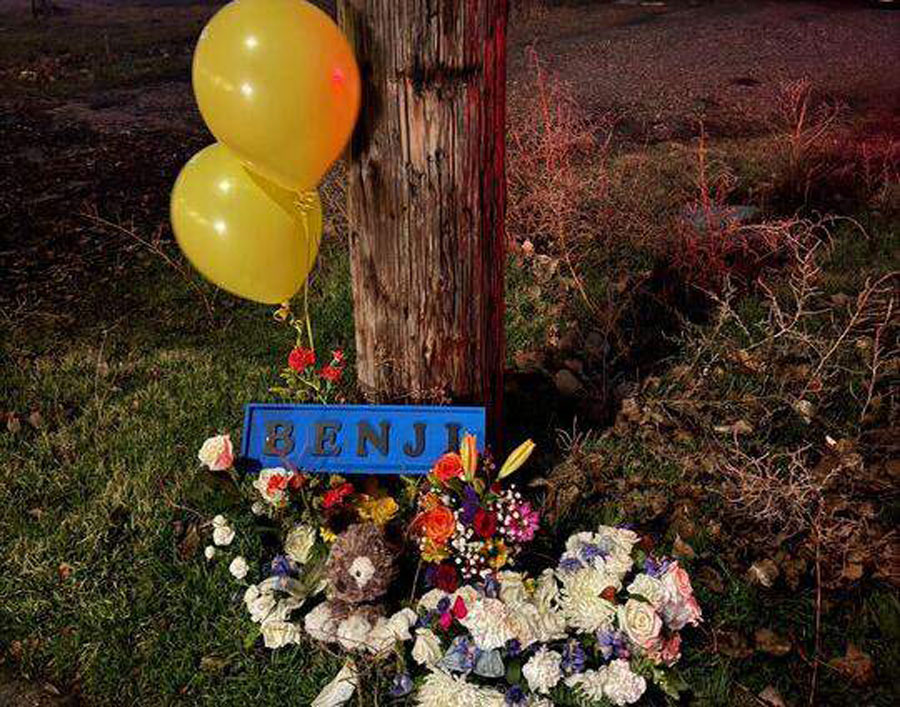
On Dec. 16, the Nampa Police Department found a 12-day-old infant named Benjamin dead at a residence on Lone Star Road. After investigating the death, police arrested the parents on Dec. 29. No official autopsy report has been released, but court documents indicate that the cause of death was suffocation from co-sleeping.
The parents, 31-year-old Brian Lemke and 28-year-old Allysen Armenta, face charges of injury to child, destroying evidence, failure to notify a death, and resisting and obstructing an arrest. The first three charges are all felonies.
RELATED | A newborn baby in Nampa was found dead. Parents face felony charges
Lemke and Armenta have previous child abuse convictions, according to court records, to the degree that they had several children removed from their custody by the state. In 2019, both of them pleaded guilty to three misdemeanor child injury charges in Ada County. Armenta had an arrest warrant in her name for an alleged probation violation related to that conviction.
As a result, the infant’s death has sparked conversations around Idaho child protection laws. Three children, all younger than 10 — two were Lemke and Armenta’s biological kids, one was Armenta’s from a previous partner — were adopted by a woman who spoke with the Idaho Statesman on the condition of anonymity to protect her and the children’s identities.
The woman told the Statesman that she alerted authorities about the infant’s safety.
DHW couldn’t confirm a location to conduct a visit
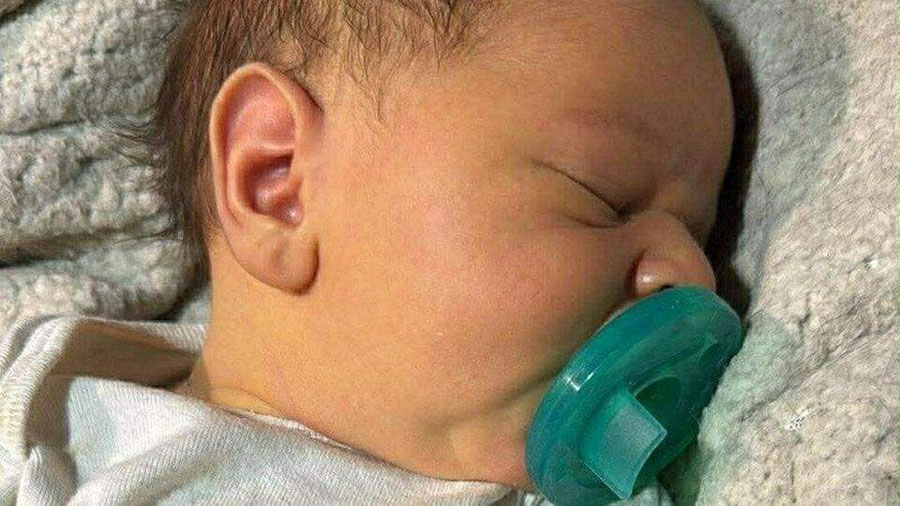
Upon learning of Armenta’s pregnancy and the baby’s Dec. 4 birth, the adoptive mother said she called the Idaho Department of Health and Welfare on Dec. 6 and “begged” the agency to conduct a welfare check. DHW spokesperson AJ McWhorter confirmed with the Statesman that the department received a call that day about Armenta and Lemke’s infant, but no current home address was provided. The case was issued as Priority 3, which means a child may be in a vulnerable situation and a service worker must respond within three days, McWhorter told the Statesman in an email.
Health and Welfare started trying to make contact with the couple and reached out to the hospital where the baby was born. McWhorter said the hospital discharged Armenta and the parents did not raise any concerns, so no report was filed to the department.
McWhorter said Health and Welfare staff also notified law enforcement, and officers from the Boise and Nampa police departments attempted to locate the couple and the infant at previous known addresses, but none of those was current.
Text messages between Armenta and Lemke outlined in the case’s affidavit of probable cause show that the couple discussed a potential welfare-check visit in the days leading up to the death. The two discussed lying to Health and Welfare by stating that they lived in the house where the infant was found, and also talked about hiding or running away.
“Pack a bag for me and the baby and you and just run,” Armenta texted Lemke on Dec. 14, according to the affidavit. It also said that Armenta made clear in the texts that she didn’t want to “lose another baby.”
Lemke had a phone call with a Health and Welfare staff member on Dec. 15, the affidavit said, about a week after authorities had launched attempts to find them. Lemke spoke about running out of propane to heat their camper and about staying with a friend, and said the infant was healthy. He said he “recognized that in the past he was not a good dad and has learned from his mistakes,” the agency said.
According to McWhorter, Lemke did not give his location to the staff member over the phone and said he would need to get permission from his friend to do the welfare check at the home. He said he’d report back to Health and Welfare, but he didn’t follow up.
Under Idaho law, without law enforcement involvement or a court order, DHW staff must be invited into the home for a welfare check.
Authorities say couple attempted to hide how infant died
In the early hours of Dec. 16, Nampa Police Department officers responded to Lone Star Road after a report of an unconscious infant. Police said they found Benjamin and Lemke in the house on the property, and then found Armenta hiding in a camper in the backyard, where the couple lived, according to a probable cause affidavit.
Armenta was taken into custody on a warrant from Ada County for a probation violation related to a previous child-injury sentence, authorities said. Lemke was taken to the police station for questioning.
In interviews with officers, the couple and other witnesses gave police different accounts of what happened prior to the infant’s death, according to the affidavit. Lemke initially claimed that he and Armenta had been in a fight, that he didn’t know where she went, and that the baby was sleeping in a bassinet inside the house and died overnight, officers noted in the affidavit.
But after conducting interviews and obtaining text messages between the couple, investigators painted a different picture, saying they believe that Armenta and Lemke fell asleep with Benjamin in the bed of the camper, which led to the child’s suffocation.
Police alleged that the couple found the baby unconscious when they woke up and moved his body to the house, with Armenta remaining in the camper and Lemke calling 911.
During the couple’s arraignments, Canyon County prosecutor Kara Przybos said co-sleeping between adults and infants often can end in a “tragic accident,” but also said this death was “predictable” because of the unhealthy living conditions of the residence. The infant had no safe place to sleep, Przybos said.
Advocates call for new laws to help children
The adoptive mother told the Statesman that her 9-year-old son had a long adoption process. He was first taken from Lemke and Armenta and put into foster care around 2 years old, but then went back into their custody when the case was dropped during the COVID-19 pandemic. He, along with the two other children, were eventually adopted by the woman last year.
She said that during the process, the boy was required to make visits to Armenta and Lemke.
“Right now, when there’s substantiated abuse, children are, some of the time, forced to go to visits — forced to visit abusers,” she told the Statesman.
The woman worked with state Sen. Melissa Wintrow, D-Boise, to draft visitation laws that would bring “more balance” to the rights of parents and the children, Wintrow told the Statesman. She said she hopes to introduce the bill this year.
“In my 12 years of being on the Child Protection Oversight Committee, I found that as a state, we need to examine the balance between parental and child rights, and I think we have tipped the scales a little too hard sometimes in not really protecting children,” Wintrow said.
The adoptive mother is now advocating for legislation that would apply to people such as Armenta and Lemke. Over 1,600 people have signed a petition on Change.org calling for passage of “Benjamin’s Law” — legislation that would require immediate review and protective intervention when a child is born to parents who previously had parental rights terminated.