



5C Regional Juvenile Detention Facility in St. Anthony to close
Published at | Updated at
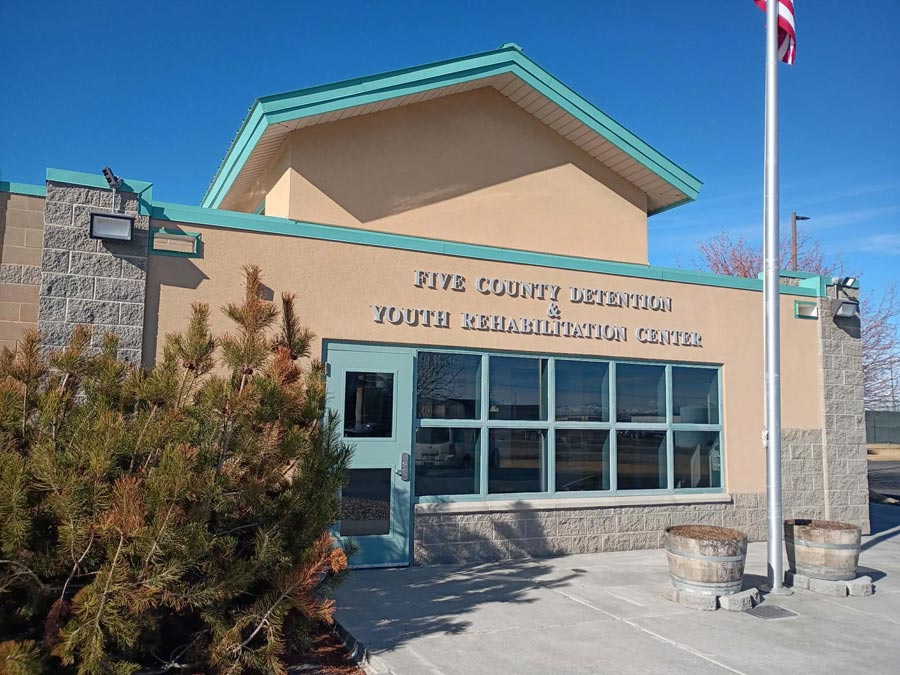
ST. ANTHONY — The Five County Detention and Youth Rehabilitation Center (5C) in St. Anthony will close, and more than 20 jobs will be lost.
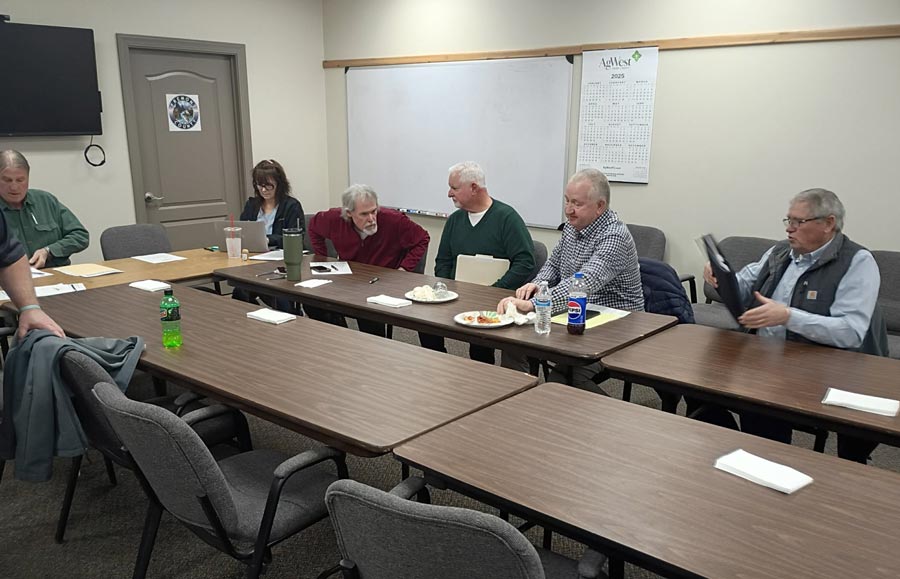
At a board meeting on Tuesday, commissioners from Teton, Clark, Madison, Jefferson, and Fremont counties voted 3–2 to close the detention center, with Fremont and Clark counties casting the dissenting votes.
The closure will take effect March 1.
The 5C detention center originally “opened July 6, 1998, as a 21-bed perimeter secure facility in Rexburg,” according to its official website. In 2003, it was moved to its current location in St. Anthony, expanding to a 56-bed capacity.
Juveniles will be transferred to other detention centers
According to Madison County Commissioner Todd Smith, all of the local juveniles currently housed in St. Anthony will be transferred to the 3B detention center in Idaho Falls within the coming week. Participants from out of state will be returned to their agencies.
The five counties will keep their joint powers agreement while negotiations with the Idaho Falls detention center unfold, and the motion passed Tuesday provides that the board will retain ownership of the facility’s building for at least a year.
“For the immediate future, we’ll hold our juvenile detention kids at the 3B facility of Bonneville,” Smith said.
3B is a 16-bed detention center jointly serving law enforcement agencies in Bonneville, Bingham, and Butte counties.
“I think there is a solution that can be done,” said Bonneville County Commissioner Karl Kasperson. “We have beds available at 3B, and we will work with the surrounding counties on a contract basis just to help them care for the kids that they have assigned currently.”
Shane Boyle, the director of the 3B detention center, told EastIdahoNews.com he had no additional comments beyond Kasperson’s statement.
According to Smith, transferring juvenile detention to the Idaho Falls facility is a desirable long-term solution to sparse usage of the St. Anthony facility in recent years. He says Madison County “averaged under two kids per night for the whole year,” with similarly low numbers for the other four counties.
“I believe (3B) will be a long-term solution,” said Smith. “We still have a lot of details to work out with them, which I hope we can (do) over the next three to four months.”
Budgeting, cuts and terminations
The 5C expenditures report a total budget of $1.3 million dollars for the facility in 2026, with Jefferson and Madison counties contributing the bulk of the funding at over $451,574 and $458,120, respectively. In contrast, the contributions of Fremont, Teton, and Clark counties weighed in at $261,782, $117,802 and $19,634, respectively.
The decision on Tuesday also included the termination of the 21-member staff of the 5C correctional facility, effective March 1, although all current employees will be fully paid through May 1.
The news came abruptly for the 5C staff. Director Kyle Gould and others said they were taken by surprise at the outcome of the meeting, although they were aware of the possibility of the facility’s closure.
For most of its history, the center offered juvenile detention services alongside a “residential treatment program that focused on treating juvenile offenders and reintegrating them back into society.” However, in August 2025, the Board of Commissioners voted to end the rehabilitation programs offered by the institution.
Gould and other staff members advocated to keep the 5C facility in operation at the Tuesday meeting, arguing in favor of a “balanced approach” to juvenile detention that includes the rehabilitative programs provided by the 5C facility and staff.
Marilee Wigginton, the school principal of the youth housed at 5C, emphasized the positive outcomes their program has produced over the years.
“Juveniles, both in treatment and also in detention, get back on track in school while they’re (incarcerated here),” Wigginton said. “We’ve helped them graduate from high school, get their GEDs, (and) move on and start college.”
“I totally agree that we need to get our costs down,” Gould said during the public comment period. ‘Our counties are hemorrhaging money. The state is hemorrhaging, and everyone’s looking to cut. … But it’s pretty hard to entrust a different community with our kids.”
Before the vote took place on Tuesday afternoon, Gould praised the staff under his direction, saying:
“They’ve hung on. They’ve been troopers. They know something’s happening, but I think they think that everyone’s going to make the right choice. They believe that our county commissioners will do what they feel is right.”
As of Tuesday evening, Gould had sent notice to the entire staff, informing them of the March 1 termination deadline.
What 5C used to be
At its beginnings in the early 2000s, the 5C correctional facility received frequent detention referrals from the state of Idaho for long-term commitment and sentencing, but according to Madison Commissioner Smith, those numbers dropped sharply about 15 years ago.
“For the last 15 years we’ve been getting kids from other states, like South Dakota, Montana and Wyoming,” Smith said. “We were housing between 10 and 15 of those kids at any given time. But just last year, those states all pulled out and we had to close the rehabilitation programming last summer.”
Smith says that he is uncertain why the cooperative agreements with other states and the state of Idaho trickled to a halt, but he suspects the answer lies in a constrained economy and tighter fiscal budgeting across the nation.
“I think it was just state budgets all over the country that suffered. And I think they just said, ‘Hey, we’re not gonna keep sending money to Idaho. We’ll just take care of them ourselves.’”