



What’s happening in your body when you take a GLP-1?
Published at
Have a medical-related question you've always wanted answered? The doctors at Mountain View Hospital and Idaho Falls Community Hospital are here to help! Email your "Ask the Doctor" questions to news@eastidahonews.com and they might end up in our weekly column.
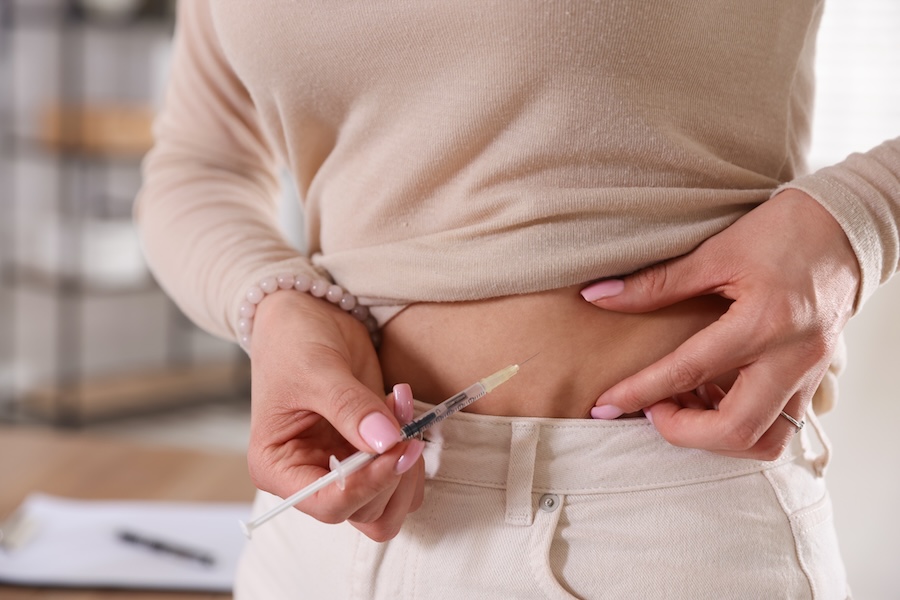
GLP-1 medications like Ozempic or Wegovy have become household names over the past few years, mostly because of their effectiveness for weight loss. But to understand why they work, you need to know what they’re actually doing inside your body.
GLP-1 stands for glucagon-like peptide-1. It’s a hormone your gut naturally produces after you eat. When food hits your intestines, GLP-1 gets released into your bloodstream and sends signals to several places at once. It tells your pancreas to release insulin, which helps control blood sugar. It slows down how quickly your stomach empties, which keeps you feeling full longer, and it acts on your brain to reduce appetite and cravings.
The problem is that natural GLP-1 breaks down in your body within minutes. The “I’m satisfied” signal fades quickly, even if you’ve eaten a full meal.
This is where medications like Ozempic come in. These are synthetic versions of the GLP-1 hormone designed to last much longer. This gives your body a steady, sustained signal that mimics what would happen if you were producing GLP-1 at higher levels all the time.
When you take a GLP-1 drug, your stomach empties more slowly. This means food stays in your system longer, and you feel satisfied with less. You’re not as hungry between meals, and the drive to snack or overeat diminishes. For a lot of people, it’s the first time in years they’ve felt like food isn’t constantly on their mind.
At the same time, these medications help regulate your blood sugar. Your pancreas releases insulin when it’s needed, and your liver releases less sugar into the bloodstream. This is why GLP-1s were originally developed for type 2 diabetes. The weight loss effect was noticed later, almost as a perk, though it’s now one of the main reasons people use them.
There’s also evidence that GLP-1s affect reward pathways in the brain. Early research suggests they may reduce cravings for things beyond food, like alcohol or nicotine. Scientists are still figuring out exactly how this works, but it’s one reason these drugs are being studied for conditions like addiction. We’ll talk about that more in the weeks to come.
One important thing to know is that the GLP-1 medication doesn’t permanently “fix” your appetite. When you stop taking it, your natural GLP-1 levels return to what they were before, your appetite comes back, and your stomach empties at its usual pace. For many people, this means the weight comes back too, unless they’ve made other changes to maintain it.
GLP-1 drugs aren’t magic – they’re just amplifying a process your body already uses to regulate hunger and blood sugar. They make it easier to eat less and feel satisfied, but they don’t do the work for you.
Over the next few weeks, we’ll dig into more about GLP-1s, like what to expect, ways they’re being studied, and how to make them work for you.
This column does not establish a provider/patient relationship and is for general informational purposes only. This column is not a substitute for consulting with a physician or other health care provider.

Ask the Doctor is brought to you by Mountain View Hospital and Idaho Falls Community Hospital. Mountain View Hospital is proud to offer the community compassionate surgical, labor and delivery, NICU, diagnostic and rehabilitative services. And when the seconds count, count on Idaho Falls Community Hospital for emergency care. With around-the-clock trauma services, state-of-the-art technology, and a highly-skilled team, Idaho Falls Community Hospital is always ready to provide patients with the best possible treatment.