



This tiny bird knocked my hat off — and it wasn’t afraid to do it again
Published at
I was hunting rocks near Challis two weeks ago and I heard a strange whooshing sound, followed by something knocking my hat off. I turned around quickly and saw a common nighthawk starting another dive toward me. I waved my arms and the bird quit attacking me. I had gotten too close to its nest.
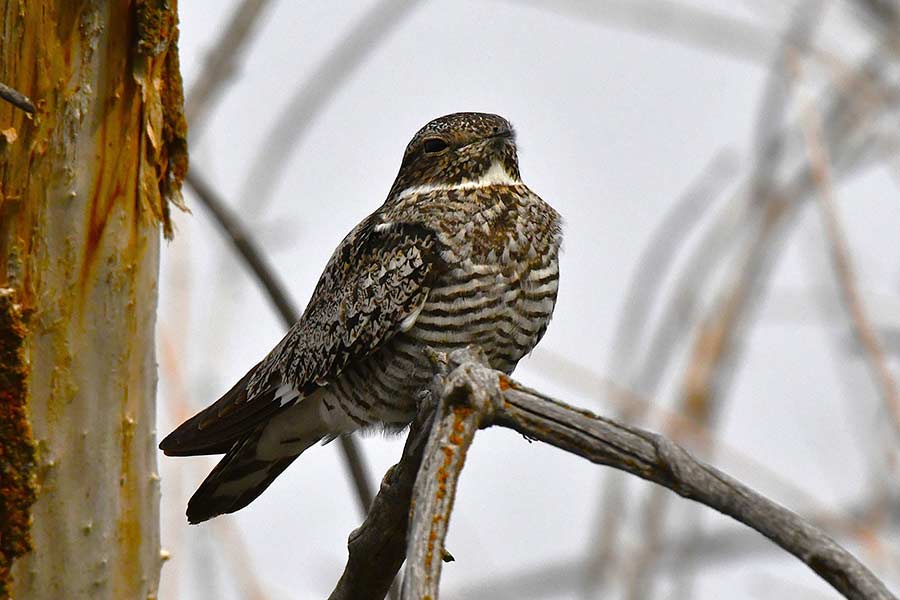
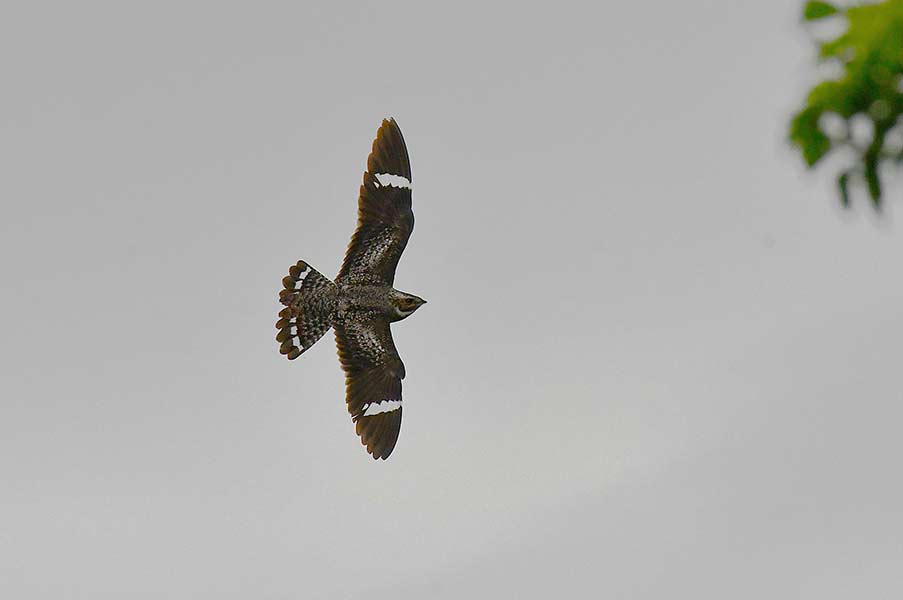
While looking for birds to photograph at Camas National Wildlife Refuge last Monday, I heard the same “booming” sound from some nighthawks as they harvested flying insects. There were about 30 of them over one of the ponds near the headquarters. I noticed that their numbers were quickly diminishing as the temperature warmed, so I watched one closely and saw it land on a willow branch.
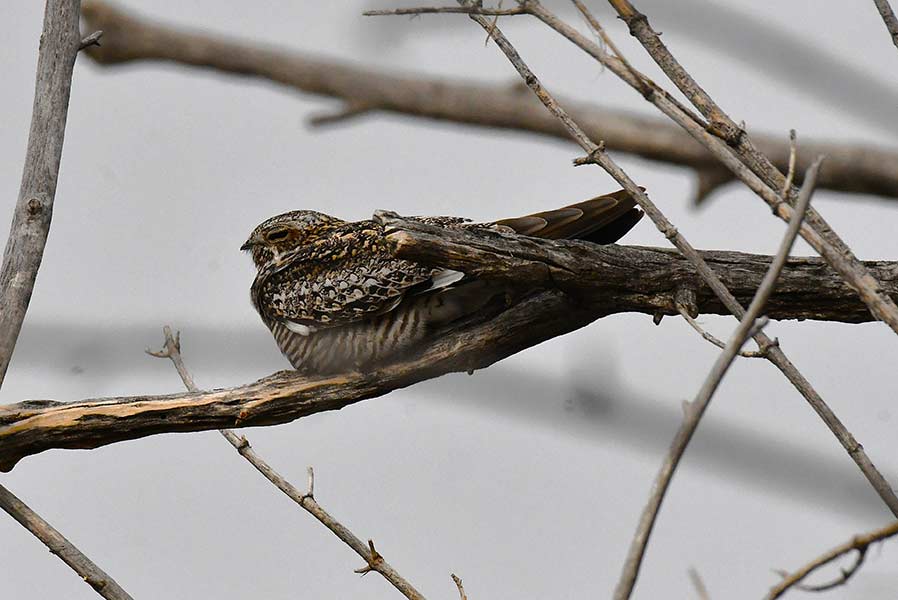
Once I found the nighthawk perched on the limb, I found that it blended in and just looked more like a broken limb instead of a bird. While studying other willows and trees, I found that it was easy to find many others perched throughout the grove.
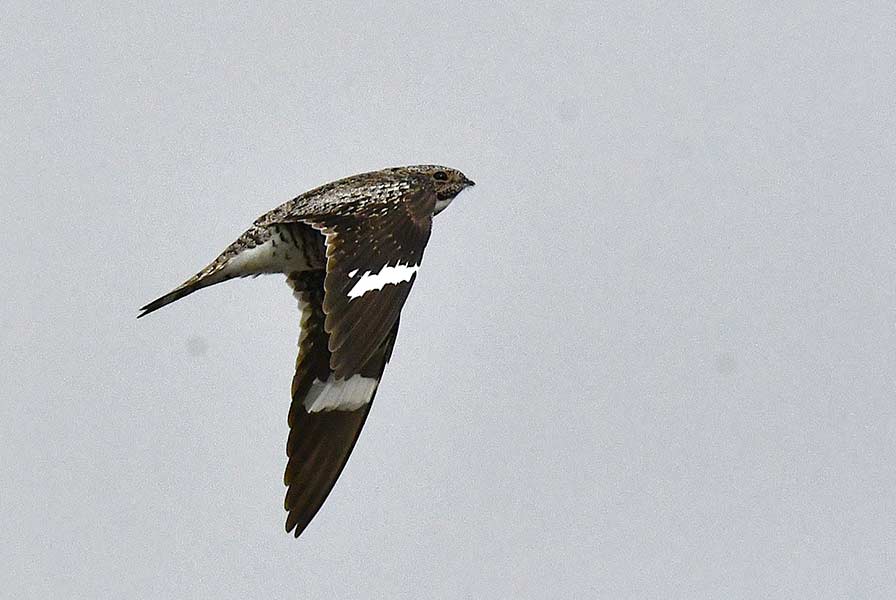
Male nighthawks make these sounds while trying to attract a mate or to warn animals and humans that they were too close to a nest or they posed a danger to chicks or a setting female. The sound is made as the male comes out of a dive, dips the tips of his wings downward, causing the air to rush past the wing tips.
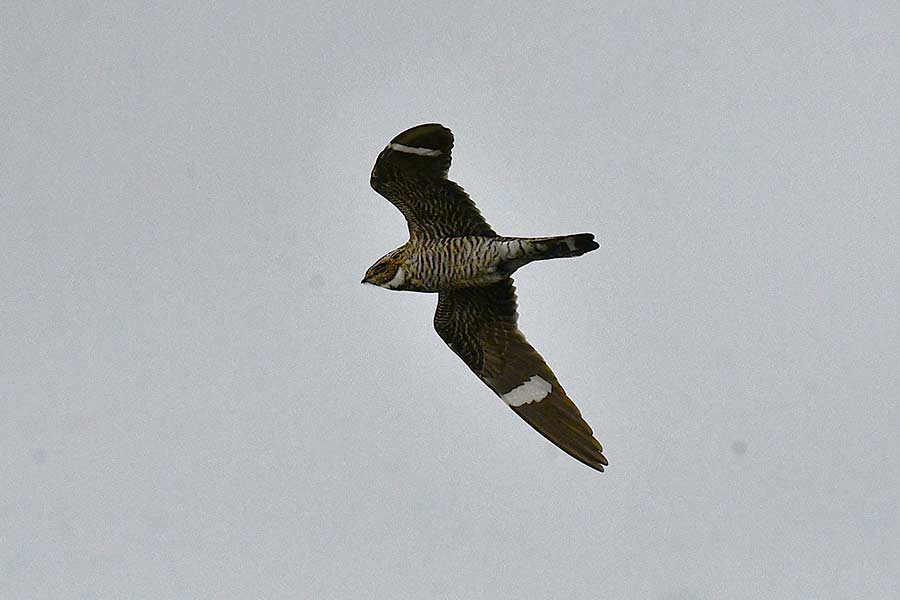
Their name is far from explaining what they are. They are not nocturnal and are not raptors, but they are related to the nightjars. They feed mainly on insects and occasionally on some vegetation.
They do not build nests, but have been known to nest on pebble-covered roofs.
About four years ago, I had my first encounter with a mad common nighthawk. I took a kid rock hounding and both of us got our hats knocked off. You do not want them to get mad at you; they can be very aggressive.
As the summer heats up, the nighthawks will become a more common sight as the ponds and lakes become an insect hatching factory. They usually do not become aggressive while feeding, but if you watch them, you will be able to hear their flight sounds while they are hunting. Market Lake, Mud Lake and other small ponds are good places to observe them feeding. They have a distinctive flight pattern and are recognized by the white band on the elbow of their wings.
Be safe and don’t start any wildfire. It appears that we are going to have a dangerous fire season.

Living the Wildlife is brought to you by Yellowstone Teton Territory. Experience 7,500 square miles of untamed wilderness in Eastern Idaho's Yellowstone Teton Territory. Where majestic peaks meet endless adventure, your perfect outdoor escape is waiting. Start planning at YellowstoneTeton.com.