LIVE UPDATES: Court ends abruptly due to ‘unforeseen circumstances’ on Day 16 of Lindsay Clancy trial
Published at | Updated at
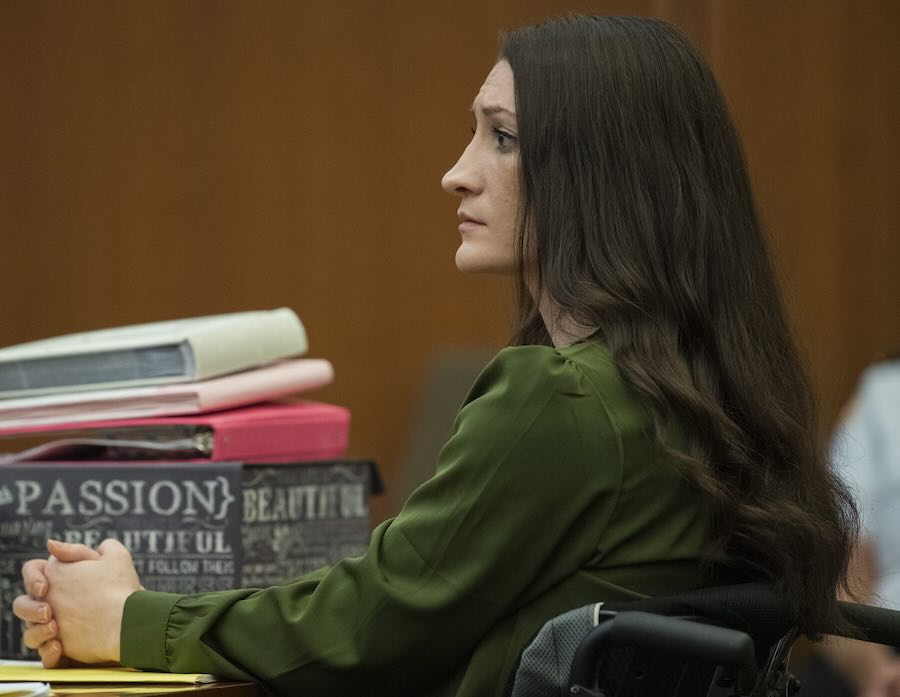
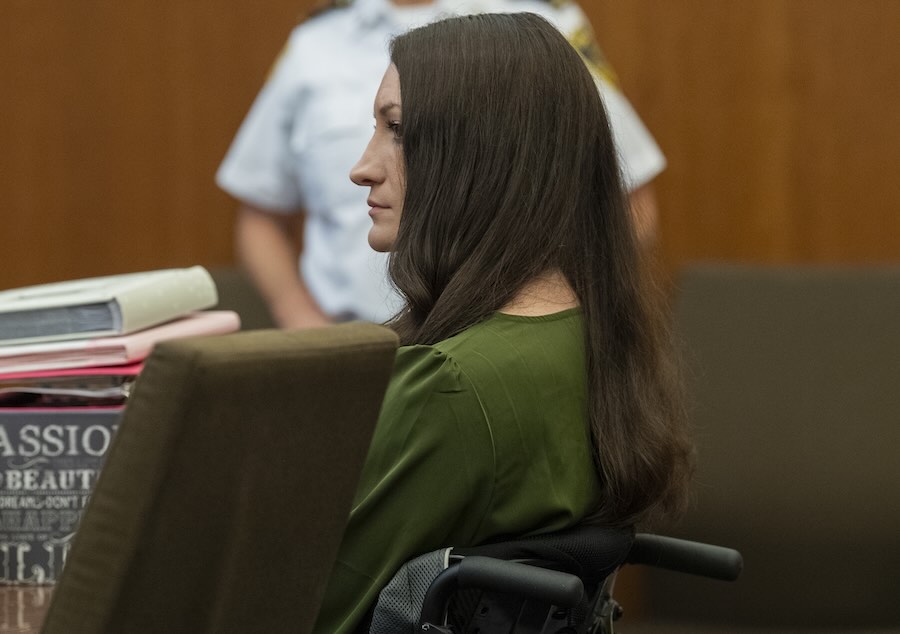
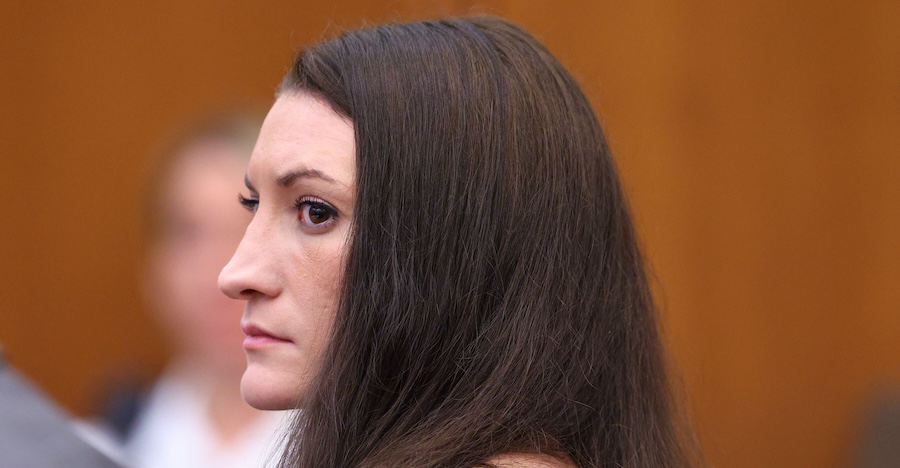
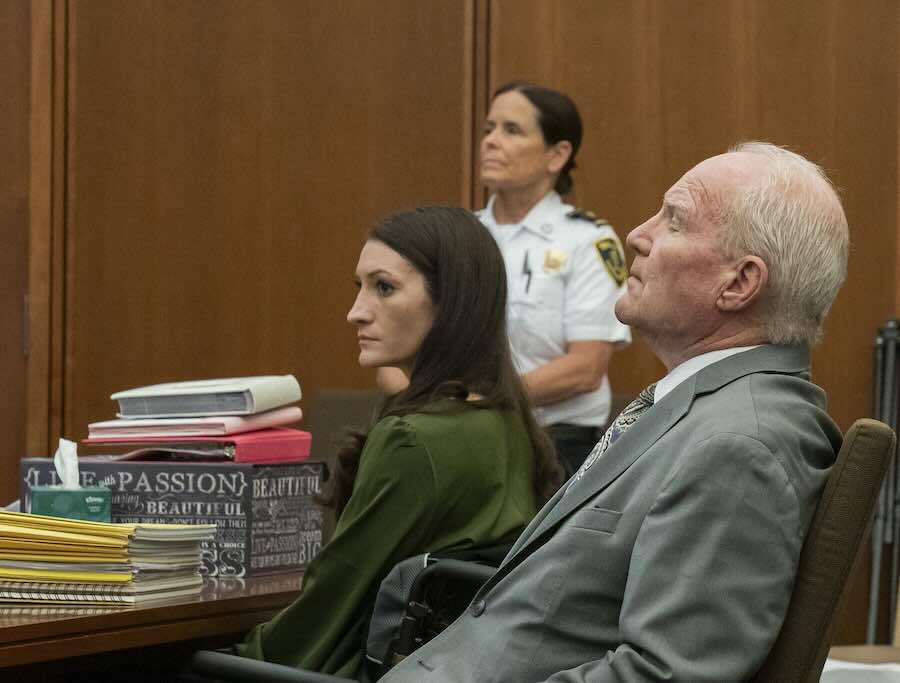
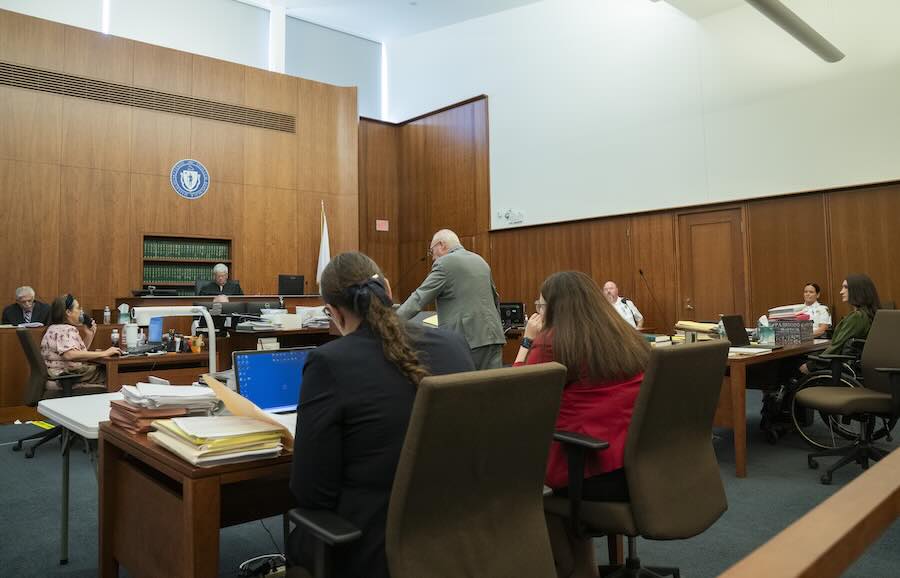
Lindsay Clancy’s murder trial is underway in Massachusetts. The 36-year-old woman is charged with three counts of murder for the strangling deaths of her three children, ages 5, 3, and 8 months old. Clancy is present in a wheelchair after she was paralyzed by injuries she sustained when she jumped from her home’s second-story window in an alleged suicide attempt. Her defense lawyer claims she was insane at the time, suffering from postpartum psychosis, and could not appreciate the wrongfulness of her actions. We are posting live updates from the courtroom here. Time notes are Eastern Daylight Time. Please forgive typos.
2:38 p.m. After the jury leaves, Judge Sullivan does not provide any further insight into the “unforeseen circumstances” he referred to. He asks counsel if they had anything they wanted to bring up; counsel on both sides says no, and the judge adjourned the trial until tomorrow morning at 9 a.m. EDT.
2:36 p.m. Judge begins by thanking the jury for their patience and says “and I’m going to ask you for some more patience.” Tells the jury he’s going to excuse them until tomorrow morning due to some “unforeseen circumstances.” Jury is escorted back out of the courtroom.
2:32 p.m. Court is back in session. Jury is returning to the courtroom.
1:22 p.m. Court is in recess for lunch until 2 p.m. EDT.
1:21 p.m. Judge Sullivan denies the defendant’s request to call Thorndike as a witness but allows the defense to enter McLean’s hospital staffing records into evidence. Reddington objects, “simply as a formality.”
1:20 p.m. However, Judge Sullivan finds the “Materiality of Testimony” of this witness is limited because there’s at least a year’s gap from when she worked at McLean and when Lindsay was a patient there, and it was probably staffed with different personnel. He also finds there is evidence that “Effectiveness of Less-Severe Sanctions” would be appropriate due to the records that have been brought in because of Thurndike’s subpoena. Says these records give enough information about McLean’s staffing on holidays and weekends vs. weekdays, so the witness doesn’t need to testify to this.
1:18 p.m. Judge Sullivan says he’s prepared to make a ruling. Starts off by saying he believes the witness is credible and appreciates her being willing to testify. Judge says he’s reviewed several other cases in preparation for this ruling and has come to the following conclusions: Witness testimony does not bring up any issues with “Prevention of Surprise.” No “Evidence of Bad Faith” seen in calling this witness. Witness brings limited “Prejudice to the Other Party,” with some prejudice favoring the Commonwealth.
1:13 p.m. Defense and prosecution give arguments for whether the judge should allow the witness to testify. Defense says she has relevant information because she has worked on the unit where Lindsay Clancy was being treated. Prosecution says she does not have relavent information because she didn’t work there at the time Clancy was there, and she worked different shifts than the ones being questioned in this case.
1:08 p.m. Prosecution asks whether there is a rule that caretakers can spend only 5 min with patients? Witness says yes, she was told that by her supervisors. Prosecutor: But you don’t know if they were still giving those instructions in January 2023? Witness: I do not. Prosecution verifies with the witness that patients are assigned to a staff member and they must check in with them while on the unit. Witness agrees that employees don’t check in with patients if they are on a pass to be away from the unit.
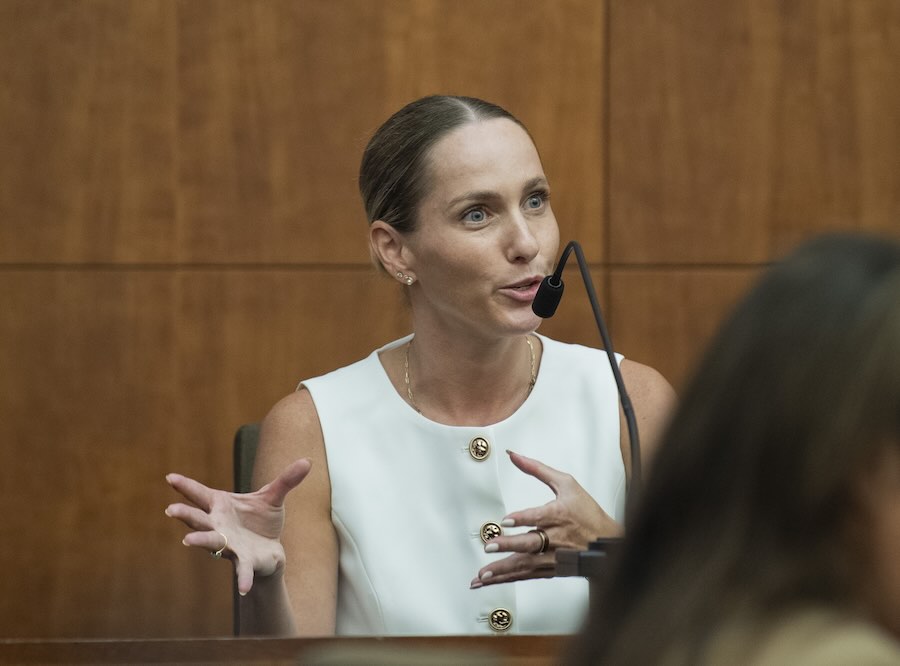
1 p.m. Prosecution gets a turn to question Thorndike. Prosecutor verifies that Thorndike was a social worker at McLean and left the facility in 2021. Prosecutor: You primarily worked during the week? Thorndike: I would pick up weekend shifts occasionally, but I worked primarily during the week. The prosecution seems to be suggesting that the witness may not have solid knowledge of weekend shifts at McLean when Lindsay was there.
12:55 p.m. Reddington: After watching this, you came out with a TikTok in which you were very angry? Thorndike: Yes, I did. I was very emotional. Says she was upset because she thought the praise being heaped on McClean was misleading. Says Patrick is not a great witness for what’s going on at McClean because there’s “not great communication with family” at the facility.
12:53 p.m. Reddington asks what Thorndike thought was wrong or misleading in the prosecution’s examination of Patrick. Witness says there is no individual therapy in the unit that Lindsay was in. Says she heard mention of seeing a doctor every day, but that is not entirely true — on holidays and weekends, there is only 1 doctor for 23 people, and visits are optional.
12:50 p.m. Reddington asks about what staffing is like at McLean, and witness explains staffing from time she worked there. Reddington: You had a chance to hear the prosecution question Patrick Clancy in this trial, correct? Witness: Yes. Reddington verifies that she heard PC talk about how LC went into the hospital on New Year’s Eve weekend – a holiday weekend – and that she heard him say that they’d been told McLean was a top-notch facility with the best patient care.
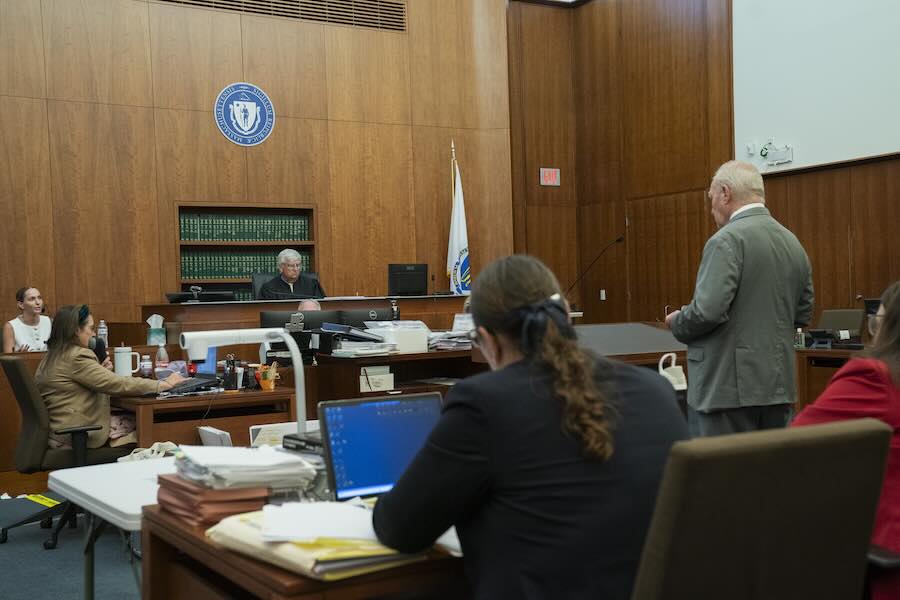
12:45 p.m. The jury is excused for early lunch. The judge says counsel will begin the voir dire of a potential witness. Defense calls Emily Thorndike, a former employee at McClean Hospital. Says he has watched some of the Clancy trial simply because he was interested, given her profession and former employment at McClain Hospital.
12:40 p.m. Reddington: What is your purpose in going back into the lockup with Lindsay (during trial)? Zeizel: To ensure that she’s stable, and is OK to be at trial. Reddington: Has she had any SI recently? Ziezel: With Lindsay, there’s “always a concern that sits below the surface.”
Prosecutor Recross: In 3 years, Lindsay’s never made an attempt to harm herself, has she? Other than Jan. 24, 2023? Zeizel: No.
12:35 p.m. Prosecutor: Is it true that Lindsay refers to the deaths of her children as “my tragedy”? Zeizel: That’s just one of the things she’ll say.
Defense Redirect: Reddington: What’s the reason that you go to the lockup (objection from prosecution; sustained by judge). Reddington: Has there been a concern of SI (suicidal ideation) for Lindsay at Tewksberry Hospital? Zeizel: Yes. Defense: What is her status at Tewksberry? Zeizel: She’s on a constant 1-to-1 to ensure that Ms. Clancy doesn’t take her own life. Judge calls another sidebar.
12:30 p.m. Prosecutor: How many of your other clients facing criminal charges have you said you “cared deeply about”? Zeizel: One other. Prosecutor: How many other clients have you given press conferences for? Zeizel: None. Prosecutor: How many other clients have you gone back into lock-up to visit during trial? Zeizel: None, but I’ve been sequestered and unable to be at court with any of them.
12:25 p.m. Back from recess. Reddington is questioning Zeizel about who Lindsay is today. Zeizel says LC is “extremely well-liked and regarded by everyone on that unit.” Of her health, he says, “Lindsay Clancy has bad days and worse days.” Reddington: Does she ever mention her children? Zeizel: She does speak about her children. Reddington: What does she say? Zeizel: She really loves and misses them, and thinks of them every single day “almost every moment of the day.”
11:45 a.m. Reddington says he’s going to ask a hypothetical. A young woman kills her kids, is in a wheelchair and is indicted. He continues to ask the question, prosecution objects and defense calls for a sidebar.
11:43 a.m. Zeizel says he’s not going to not tell the truth just to help Lindsay out. The request Zeizel made was not to have Lindsay “chained to a van” when brought from Tewksbury to the courthouse. He mentions that Lindsay’s medical nurses are in the courtroom every day with her. Zeizel says confirmation bias is coming up with a conclusion before you reach an opinion and he has not done that.
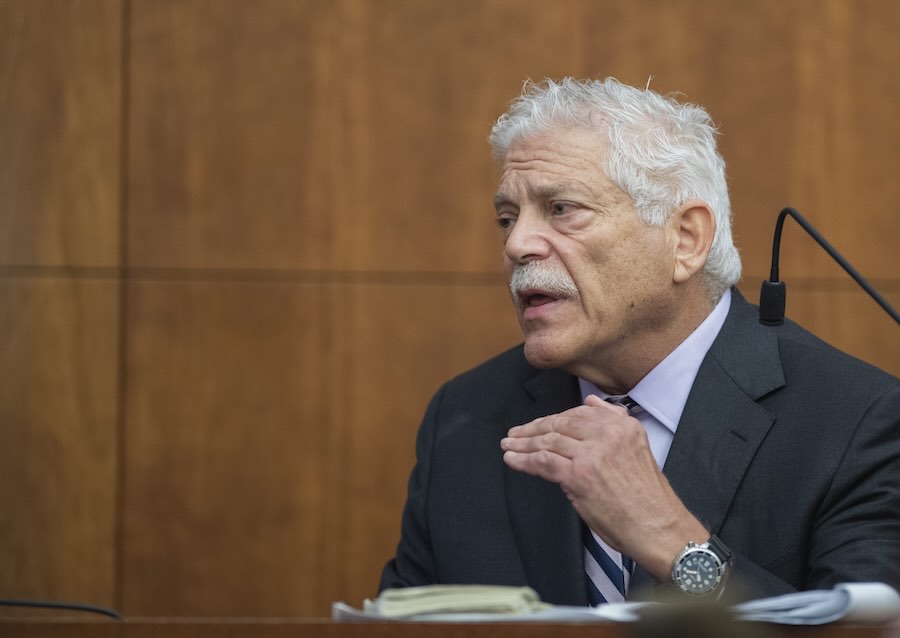
11:40 a.m. Zeizel says he got involved in the case out of compassion. “Do you care for her?” Zeizel responds, “I do.” Reddington asks if it’s a violation of standards if he cares for a patient. “Not at all,” Zeizel says. You need to build empathy and rapport.
11:38 a.m. Prosecutor has no further questions. Reddington immediately starts to talk and the prosecutor says, “Can I sit down please?” Reddington pauses and begins with confirmation bias. He says it may mean someone wants to help the person they are testifying for. Zeizel says it could be.
11:36 a.m. Prosecutor asks about the pediatrician visit when Lindsay took her daughter who was suffering a stomach issue. It was on the same day Lindsay killed her children. Prosecutor says if someone is in a psychotic state, the person is under extreme stress. He says yes. She responds that it would take an enormous amount of work to mask the situation. It says it depends.
11:34 a.m. Zeizel says he had met with Lindsay three times before he spoke at the news conference in January 2023. He says his comments were not referring to Clancy in the news conference, he was referring to “individuals like that.” Assessment of people who go through major mental health crises.
11:30 a.m. He says he evaluated Lindsay and yes, she was his patient. Prosecutor reminds Zeizel of the APA guidelines. Zeizel has appeared at arraignment and other court hearings. He says yes, at Reddington’s request. Zeizel also participated in a news conference and gave a comment to The Daily News. Prosecutor asks to play a clip from the news conference.
11:26 a.m. Prosecutor asks further questions about confirmation bias. Zeizel says you can not be the therapist and the examiner. The therapist is an advocate, the examiner looks for the truth. Prosecutor asks if he wrote a letter asking the court for accommodations regarding transportation for Lindsay. He referred to Lindsay as his patient in the letter.
11:24 a.m. Prosecutor asks if the records indicate Lindsay slept well at Tewksbury. He is not aware. Prosecutor asks Zeizel if he’s familiar with confirmation bias. He is. Prosecutor asks if it’s prevalent in science and psychiatry. Zeizel says it can be. He says it’s important to remember that the facts come to you, you don’t go to the facts.
11:20 a.m. After reading each of these records, the prosecutor asks Zeizel if he doubts what is written. He does not. On Jan. 24, 2026, she participated in coffee group, visited with her parents and did other activities. Zeizel does not doubt it. Prosecutor moves to admit the excerpts she has read as an exhibit into the trial.
11:18 a.m. Prosecutor reads sections from the medical records of what Lindsay was doing on her kids’ birthdays during 2024 and 2205 – socializing with friends, watching TV, working on her mental health, feel better, morning routines, etc. In the courtroom, Lindsay just picked up a pen and wrote something on a notepad that she showed to her attorney.
11:16 a.m. Prosecutor asks about portions of the Tewksbury Hospital records detailing what Lindsay has been doing at the hospital on certain days. Eating snacks, going to the TV room, utilizing her phone, visiting with family members. Zeizel doesn’t doubt what the prosecutor is saying.
11:15 a.m. Prosecutor asks if Zeizel is aware that on Dec. 24, 2023, Lindsay accepted medication, meals, snacks and visited with her family at Tewksbury Hospital. This would have been on Cora’s birthday. Tewksbury Hospital is a 370-bed, state-operated public health facility in Tewksbury, Massachusetts, run by the Department of Public Health. It provides long-term medical and psychiatric care for adults with chronic, complex, or co-occurring health conditions.
11:13 a.m. Sidebar over. Zeizel says he “purused” part of Resnick’s report, but did not read the whole thing. Prosecutor asks if Zeizel read through the tens of thousands of reports from Tewksbury Hospital. He says he went through them, but not every single page.
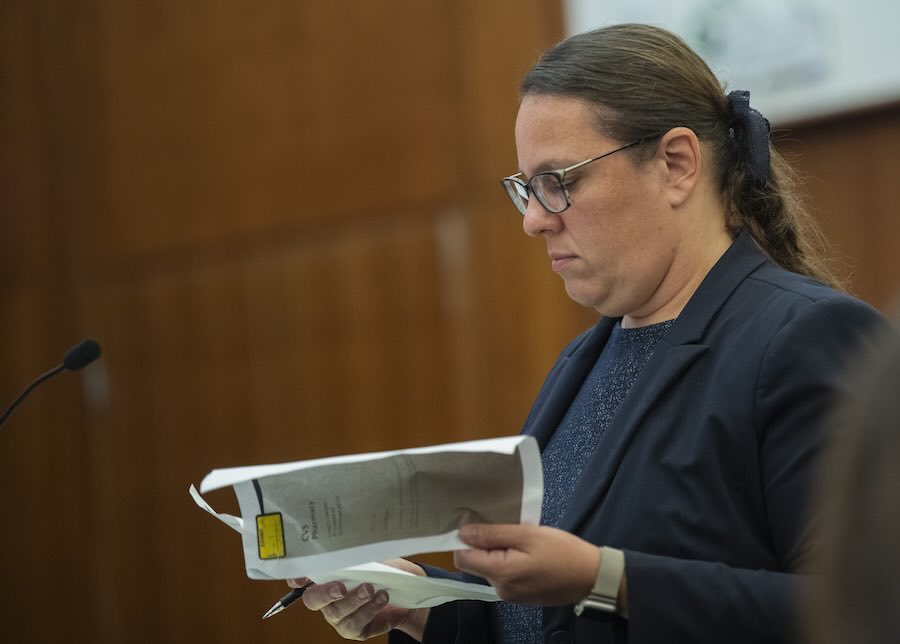
11:09 a.m. Sidebar over. Prosecutor asks if Zeizel reviewed a report from Dr. Resnick. He says he did not. She points to Zeizel’s document that says one of his sources if information was Dr. Resnick’s report. Defense objects. Sidebar.
11:05 a.m. Prosecutor asks more questions about the medications Lindsay was prescribed and what she was taking. Prosecutor says Lindsay declined the bed at McLean – she chose to leave. Prosecutor asks a question about Zeizel reviewing a doctor’s report. Judge asks to see attorneys at sidebar.
10:58 a.m. Prosecutor asks about the voices Lindsay says she was hearing and the only time she heard a male voice was on Jan. 24, 2023. Zeizel says that’s accurate. He explains what a delusion is and that Lindsay was diligent in writing down the medications she was taking.
10:55 a.m. Prosecutor says where in the records, from September 2022 to January 2023, does Lindsay tell any of her providers that a voice told her to kill herself. Zeizel says it’s not in the records.
10:53 a.m. Prosecutor says Jollotta prescribed a 25mg dose of Seroquel for Clancy to help her sleep. Prosecutor asks about auditory hallucinations about Lindsay wanting to kill herself and her conversations about her damaged brain. Prosecutor asks when Zeizel spoke with her about this. Zeizel says you don’t just ask once, “Did you hear a voice on that day?” – he asked many different ways over time.
10:48 a.m. Prosecutor asks about Lindsay being prescribed Zoloft in December 2022. She increased the dosage and couldn’t sleep for 48 hours straight. Prosecutor holds up the bottle of Zoloft. She says there were 30 in the prescription and 23 left in the bottle. Only 7 pills were missing.
10:45 a.m. Zeizel asked about medical records he reviewed. He’s asked about an exercise program Lindsay was involved in called the Beach Body program. Lindsay lost money in summer 2022 doing the program. Zeizel called it a scam. Prosecutor says lots of people do the program. She asks Zeizel to look up in his report when Lindsay told him she lost money. He says in terms of the big picture of this trial, he’s not sure if it really matters.
10:43 a.m. Zeizel believes Lindsay told her mother and husband that she felt like killing herself. Prosecutor says in her medical records, when Lindsay described intrusive thoughts, she never described them as a voice telling her to kill herself. Zeizel says that’s true. Lindsay said she felt like she wanted to die, according to the records.
10:40 a.m. Prosecutor asks if, during the conversations that Zeizel observed, Lindsay asked about the kids? “She did not, as I recall,” he answers. Zeizel says Lindsay has not heard voices since the killing of the children in 2023. Zeizel has spoken with a hospital chaplain who told Zeizel that Lindsay told her she heard a male voice instructing her to first kill her children and then kill herself.
10:38 a.m. Lindsay was clear and coherent. Zeizel says someone can have a clear conversation, but still not know where they are. Lindsay called Patrick again from Zeizel’s phone two days later. Zeizel did not write a report about that interaction. Prosectuor asks Zeizel if he is aware that Lindsay changed her healthcare proxy from Patrick to her parents by that point. Zeizel was not aware.
10:35 a.m. Zeizel performed a mental status exam on Feb. 4, 2023 in Lindsay Clancy’s room. Lindsay asked to use his phone so she could call her husband. Prosecutor asks how he had Patrick’s number. He didn’t have it. Lindsay gave him the phone number and he dialed it for Lindsay. Patrick didn’t answer, so Lindsay left a voicemail. She gave the number to Zeizel with no issue – she remembered it. On the message Lindsay expressed love for Patrick and wanted to know how he was doing.
10:32 a.m. Zeizel has spent 35 hours working with Lindsay over the years. The first time he met Lindsay, he was meeting her as a colleague and friend of Reddington. He was just going to meet with her given the fact she was locked to an ICU bed and nobody was able to visit her. Lindsay had recently been extubated. She was able to breathe on her own and had been speaking with doctors/staff.
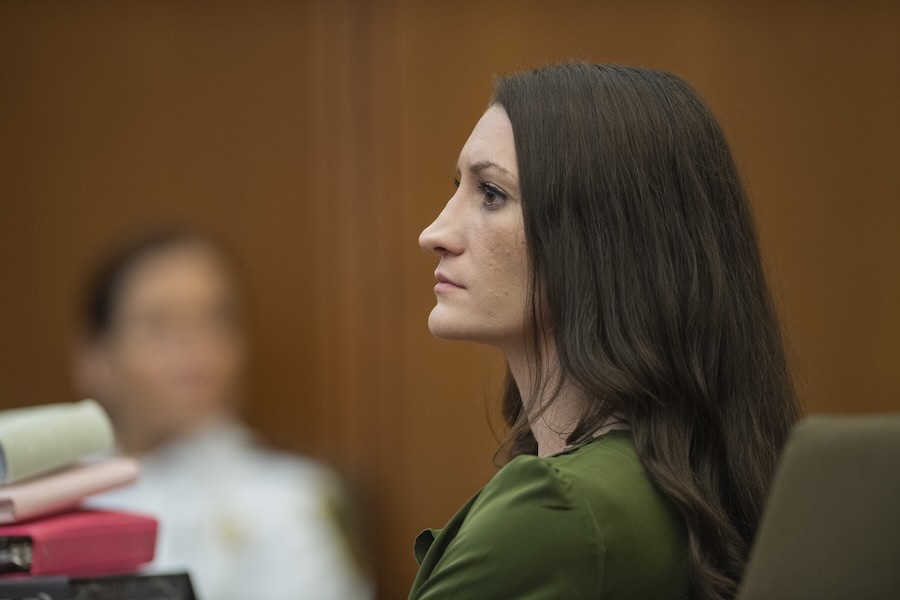
10:29 a.m. Prosecutor asks about a record Zeizel wrote last year about the hope Lindsay would transfer to another hospital and be able to get off her medications. Prosecutor says Lindsay is still on the medicine. She asks Zeizel if it’s important to be accurate. He says it is.
10:26 a.m. Prosecutor asks Zeizel if he is a prescriber of medications. He is not. He’s asked about standards and guidelines for forensic psychologists. He says he strives to follow them. Zeizel has been working on the Clancy case for 41 months.
10:24 a.m. Prosecutor asks Zeizel when he last testified on behalf of the Commonwealth in a case. She says it’s been a decade. He says that’s not true. He last testified in a case in July 2026. In 2024, he was paid around $340,000 for work he did for the Commonwealth. Last year he made around $300,000. Prosecutor asks if Zeizel has done quite a bit of work for Reddington. “That’s an expansive term. Yes.”
10:20 a.m. Prosectution will now cross examine. Zeizel is asked about his background and whether he is currently qualified to do “qualified examinations.” Zeizel is an independent contractor who works for a company contracted with the Department of Corrections. Prosecutor clarifying about the circumstances in which Zeizel testifies in court cases.
10:18 a.m. Lindsay felt like she was having “a busy brain.” She felt her brain was damaged. She was restless, agitated, unable to stay still, and “extremely unable to sleep.” Zeizel – “She did have a mental disease or defect indeed. She had bipolar disorder with postpartum psychosis. She was unable to perform her behavior to the rule of law.” Reddington: She lost substantial capacity to appreciate the wrongfulness of her act. Reddington is done questioning.
10:17 a.m. Reddington asks if depression is a sign of postpartum psychosis. Yes. Zeizel says Lindsay had depression – felt alone, sad, nervousness, anxiety. Lindsay felt she was withdrawn, tired, heavy, without energy. She was having a harder time taking care of her children.
10:15 a.m. Zeizel administered psychological tests on Lindsay including a mini mental status examination – a field of knowledge, who’s the president, where are you, etc. He also did a test measuring antisocial personality disorder. The results showed she did not have any type of antisocial personality disorder.
10:13 a.m. Lindsay messaged her husband about getting Pedialax and going to CVS. Reddington asks if that makes sense to send messages like this. Zeizel says that’s not unusual. Reddington asks about Patrick leaving the house for ski trips and leaving the house on a regular basis. Zeizel says yes, that’s true.
10:10 a.m. Lindsay was Googling mental health conditions. She was in a “psychotic state,” Zeizel says. A person in a psychotic state can drive, walk and carry on everyday conversations. On Jan. 24, 2023, Lindsay built a snowman in the backyard with her kids. Later that day, she Googled directions to a restaurant. That’s the same day she killed her kids.
10:08 a.m. Lindsay continued to have intrusive thoughts. “They are unrelenting; they don’t stop. You don’t want them, they keep interfering with your ability to get through the day,” Zeizel says. Lindsay was having voices in her head – “they were getting worse and they were telling her to kill herself.”
10:06 a.m. On Dec. 15, Patrick Clancy took Lindsay to a partial hospitalization program in Rhode Island. He also took Lindsay the ER at Mass General. Lindsay was voluntarily admitted to McLean for four days at the beginning of January in 2023. She voluntarily left so she could go to her daughter’s birthday party on January 7.
10:03 a.m. Lindsay was paranoid and getting more depressed. She was worried her children would be removed from her and she would never see them again. Lindsay was taking Seroquel, Remeron and Klonopin. She said she felt like a zombie and Zeizel said she was experiencing anhedonia – “living life without pleasure.”
10:01 a.m. Lindsay thought people could hear her thoughts and was worried that if they could, they would take away her children. Lindsay called the suicide hotline on Dec. 4. She did not receive any help from the suicide hotline because she did not have a plan, Zeizel says. She called the hotline again around Dec. 15. She did not receive any help that time either, Zeizel testifies.
9:59 a.m. Defense attorney Kevin Reddington asks Zeizel what healthcare provider Lindsay Clancy visited on Nov. 29, 2022. It was nurse practitioner Rebecca Jollotta. Lindsay was having symptoms of psychotic dissociation and a flattened affect. Patrick was working from home. On Dec. 2, Lindsay went to South Shore Clinic because she was not improving, Zeizel says. Lindsay felt her brain was damaged and that she should kill herself. She felt she was never going to get better.
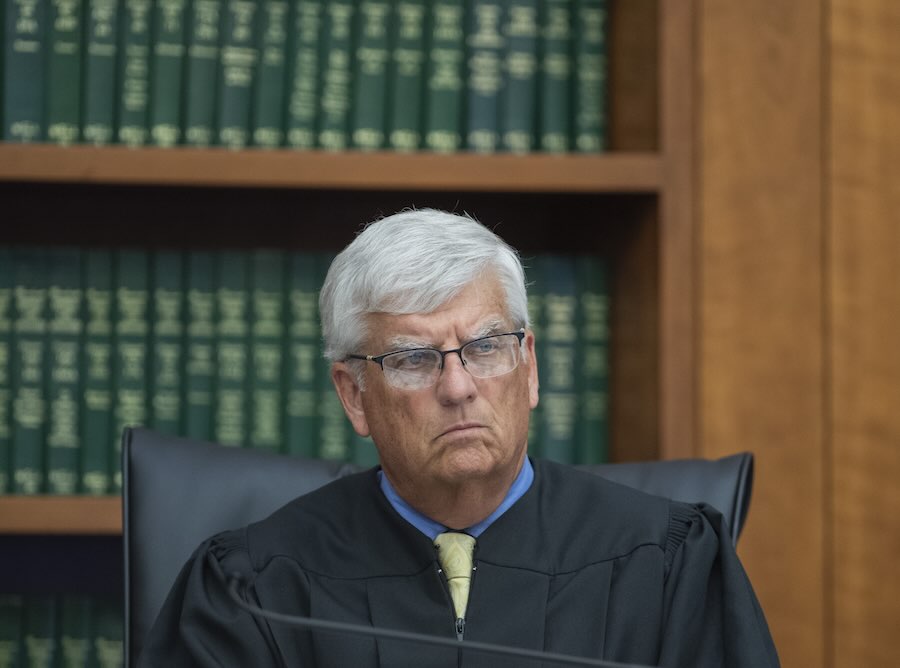
9:57 a.m. Court is back in session. Judge Sullivan asks jurors the daily questions – if they have heard or read anything about the case that would affect their ability to be impartial or fair. No issues. Sullivan says Dr. Zeizel will return to the stand.
9:24 a.m. Judge says we are going into recess. Unclear what the delay is or how long the recess will be. Everyone is standing by.
9:15 a.m. Judge enters the courtroom and says there is a delay in starting proceedings today. He asks to meet with attorneys at sidebar.
9 a.m. It’s day 16 of the Lindsay Clancy trial. Psychologist Paul Zeizel will be back on the stand testifying on behalf of the defense. The prosecution will then cross-examine him. If you missed the first part of his testimony, you can get caught up here.
MORE PHOTOS: