



Bannock Street controversy continues as Malad residents question costs, transparency
Published at

MALAD — Tensions over Malad City’s ongoing Bannock Street project flared up during an Aug. 12 City Council meeting, with residents continuing to question how the project has been funded, what homeowners are being required to pay, and why they say they were not better informed before construction began.
A group of Bannock Street homeowners called for an investigation earlier this summer into city officials, alleging a lack of transparency, financial mismanagement and disregard for residents affected by the project.
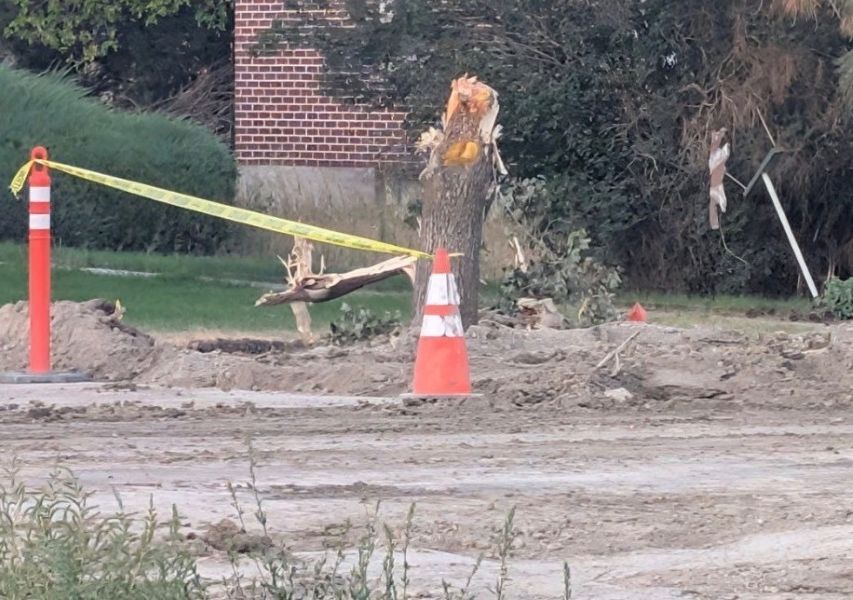
Residents have said they did not learn they would be responsible for a portion of the improvements until after crews had already removed sidewalks, curbs and gutters along the street.
RELATED: Malad residents challenge road project charges; mayor responds
The dispute has continued to spill into City Council meetings, where Mayor Joan Hawkins and council members have maintained that the city has followed the law, remained transparent and provided residents with the best information available.
The city recently released its approved minutes of the August 12 meeting, in which several residents again challenged city officials over the project.
Malad City residents speak up
Brody Conger questioned work involving sewer laterals along Bannock Street and said residents need clearer information about what work is required and why. According to an account of the meeting, Conger said residents have struggled to get clear answers and criticized the city’s communication surrounding the project.
Virginia Edlefsen questioned whether property owners on Bannock Street should bear the cost of improvements she believes benefit the broader community. She pointed to the heavy traffic on Bannock Street, including trucks, school buses, cattle trucks and recreational vehicles.
Edlefsen also challenged the idea that the improvements necessarily increase property values, arguing that living along a busy thoroughfare can make property less desirable.
Former county assessor Cheryl Madsen raised a similar concern, saying that properties along heavily traveled streets can be assessed at lower values due to traffic and other inconveniences.
Madsen also questioned whether some form of property tax relief could be available to lower-income homeowners and encouraged the city to investigate and make that information available to residents.
Mattracea Semrad, who was among the most vocal at the meeting, focused her comments on the project’s financing and the use of the Transportation Alternatives Program, or TAP, grant funding. She questioned why TAP funds were not being used for the curb-and-gutter portion of the project and asked for documentation showing how funding sources were assembled and how assessments charged to homeowners were calculated.
Semrad contends that she has repeatedly requested the engineering report for the Bannock St. project, contending that residents are paying for more than the sidewalk curb and gutter, while also inquiring about grant money allocations.
Semrad believes some residents are paying for the removal of trees and sidewalk when they don’t have those things in front of their properties, saying, “We are paying for engineering fees and removal even though my family didn’t have a curb, gutter or trees in the way.”
City officials explained that the Bannock Street work involves multiple grants, each with restrictions on how the money can be used. Officials also said the LID is separate from the underlying project and that Idaho cities can establish LIDs to recover costs for improvements benefiting particular properties.
Officials said narrowing the request would make it easier to locate the information, as the project dates back to 2017 and involves a potentially large number of records. Semrad agreed to submit a more specific public records request for the financial documents.
The council later returned to the issue of communication, discussing ways to increase attendance at public meetings and make information more readily available to residents.
Moving forward
The city is also looking ahead to another phase of work along Bannock Street.
City engineer Camille Miller told the council that Phase II is currently at a standstill while officials work with Malad Valley Irrigation on a drainage solution. The city’s preferred option is to direct stormwater into an existing canal, although an agreement is still being worked out.
Miller said the anticipated launch for Phase II is 2029.
When asked when the city should begin talking with residents who could be affected by that phase, Miller told council members the timing of those discussions is ultimately up to them.
For more information and to read Malad City’s meeting minutes in their entirety, go to Maladidaho.org