



In solving decades-old cold case, Ada County detectives may have found suspect in 1982 Tylenol killings
Published at | Updated at
BOISE — On a winter day in 1982, a man wandered into Boise’s Sacred Heart Catholic Church and was dead within hours.
Cyanide poisoning is what killed him, according to an autopsy done by the Ada County Coroner’s Office. Who he was or where he came from, no one knew.
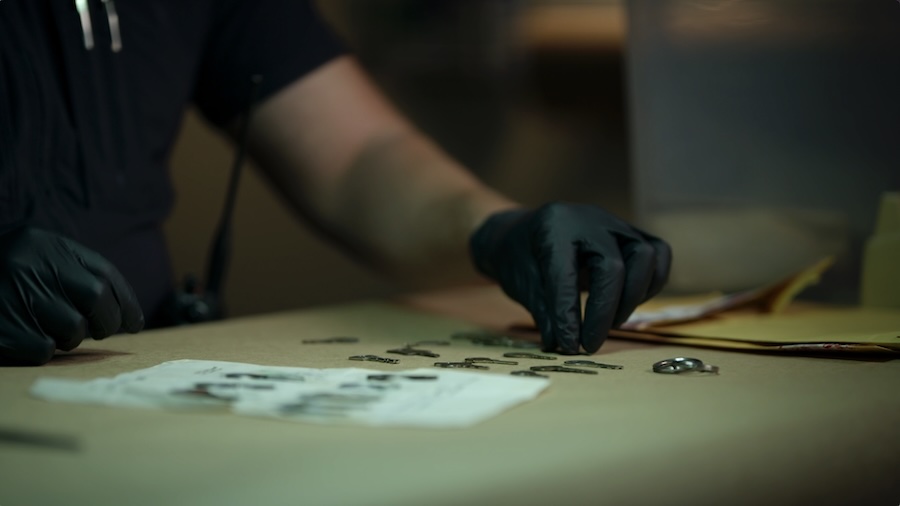
The man was carrying no identifying information, according to Ada County sheriff’s detectives. He was well-dressed and had 19 $100 bills in his possession, but his wallet was empty. Among his belongings, detectives also found two key rings containing multiple keys and a typed note that was signed with what investigators later determined to be a fake name.
So, despite detectives’ best efforts to identify the man, his case eventually went cold. He was dubbed “The Unknown Wanderer,” and kept that name for 43 years.
That was until Wednesday, when the Ada County Sheriff’s Office announced during a news conference that detectives had identified him as Mathew Francis Betkowski, of Florida.
What’s more, law enforcement says they uncovered a load of evidence that could link him to the infamous Tylenol murders of 1982. That case involves multiple unsolved homicides in the Chicago area, which happened in rapid succession of one another and were all tied to the person’s use of the brand-named pain reliever.
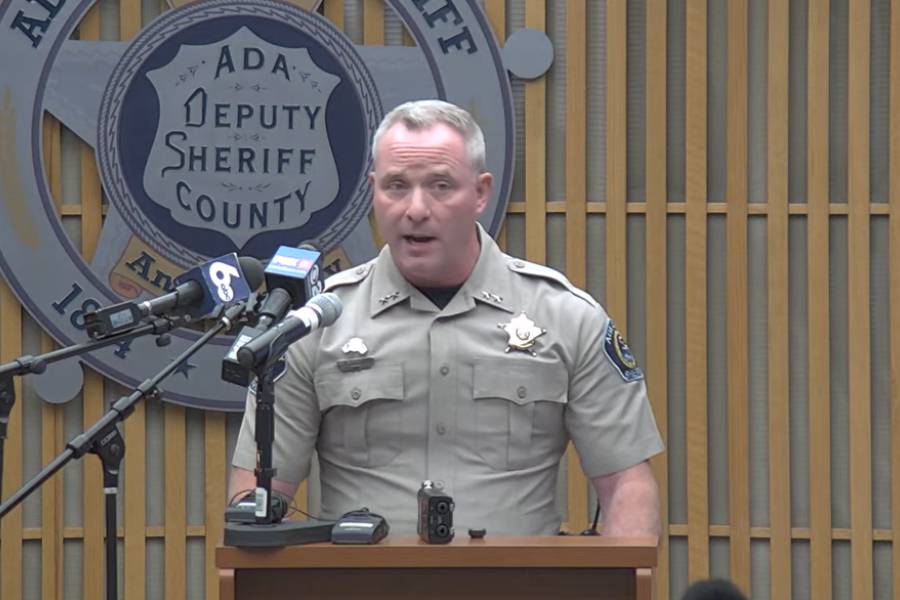
Ada County Sheriff Matt Clifford detailed the Boise cold case for reporters on Wednesday, explaining how detectives had never really given up on it. After years of dead ends, he said detectives had the case featured on a segment of the show “Unsolved Mysteries” in 1990.
“Our goal in partnering with Unsolved Mysteries was simple — we wanted more tips, and we wanted more evidence to come forward,” Clifford said.
The show garnered thousands of tips from across the country, but those tips did not lead to any conclusion, the sheriff said.
Then Ada County Sheriff’s Detective Tim Cooper, an expert in cold-case investigations, reviewed the case in 2019. After finding an address etched into one of the keys found in the Wonderer’s possession, Cooper said he was able to trace it to a hardware store in Jacksonville, Florida.
Using property deeds for the address and DNA evidence from the case, Cooper said he was eventually able to positively identify the Wonderer as Betkowski. He then set to work on learning all he could about the man.
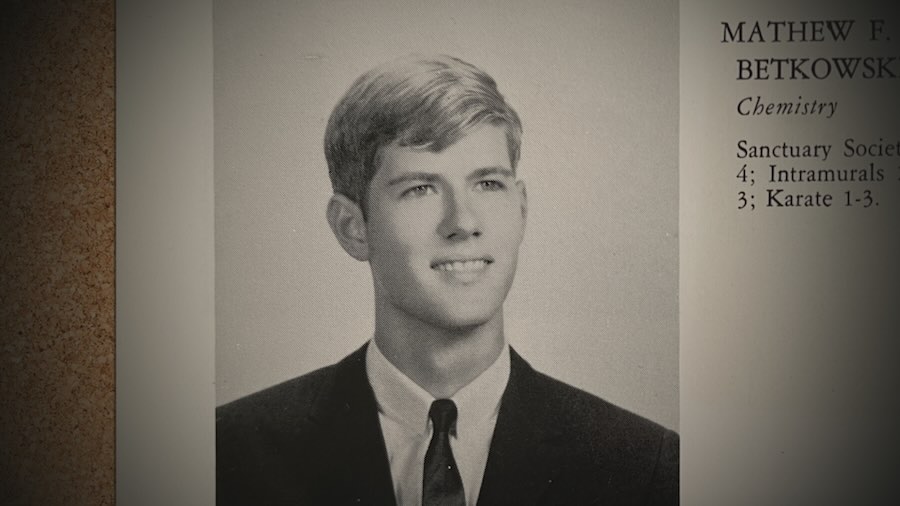
Identifying the man, Cooper said, involved locating Betkowski’s surviving family members. Through them, he learned that Betkowski was a man who struggled with mental illness throughout his life.
Betkowski was also an organic chemist who held a doctorate degree in science, Cooper said. And the man sustained a traumatic brain injury in 1974 that aggravated his mental issues.
At some point, Betkowski reportedly became interested in cyanide and its ability to carry out “the perfect crime,” according to Cooper. In writings saved by family members, Betkowski mused about how he believed acts of violence may provide euphoria that could treat his schizophrenia and paranoia.
Cooper also found that Betkowski’s employment at a chemistry lab was terminated after he discussed with a co-worker the potential for injecting poison into medicine capsules. He had also allegedly stolen products from the lab.
The family said that Betkowski walked away from his Florida home in 1982 and was never seen again. But they had kept some of his belongings, which included a map of Chicago and a bottle of cyanide with a handwritten label. Though, it should be noted that the cyanide in that bottle was a different form of cyanide than what was used in the Tylenol killings.
In the news conference on Wednesday, the sheriff said Betkowski has not been named as a suspect in the Tylenol murders case. But he also clarified that it is not in the jurisdiction of the Ada County Sheriff’s Office to do so, as the crimes took place outside Idaho.
Still, detectives say Betkowski’s writings from 1980 and 1981 suggest the man did have an interest in visiting Chicago. And in 2024, photos were discovered that proved Betkowski had visited the Windy City.
The case is still under investigation, Clifford said. He also said that while law enforcement has more information in the case, they would not be releasing it at this time.
“Detective Cooper has done incredible work on this case, but there are still a lot of questions we don’t have answers to, and we’re hopeful this documentary helps us get there,” Clifford said.
The documentary he mentioned is called “Unsolved Mysteries: Unmasking the Tylenol Killer,” and it’s scheduled to start streaming on ROKU on Oct. 9.
This story will be updated.