



Fall weed control: Target the weeds that will return next year
Published at
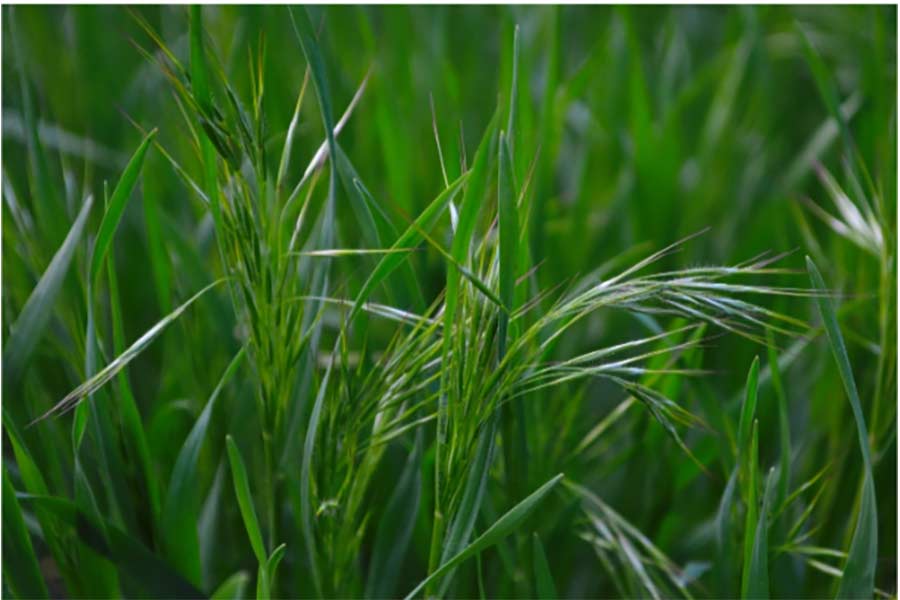
Fall is a good time to assess your lawn and garden beds. Many established weeds are easier to identify because they have reached maturity and are showing more of their identifiable parts. It may be tempting to spray or pull everything before winter but identifying the weeds and understanding their life cycles will help determine the best fall treatment. Fall weed control should focus on reducing seed production and weakening weeds that will survive underground.
Start with Identification
Weeds can be classified into the following groups:
Annuals: Complete their life cycle, from germination through seed production, in one growing season. Summer annuals, such as crabgrass and pigweeds germinate in spring and die after the hard frost. Winter annuals such as downy brome and shepherds’ purse germinate in the fall, survive the winter and produce seed in the following spring.
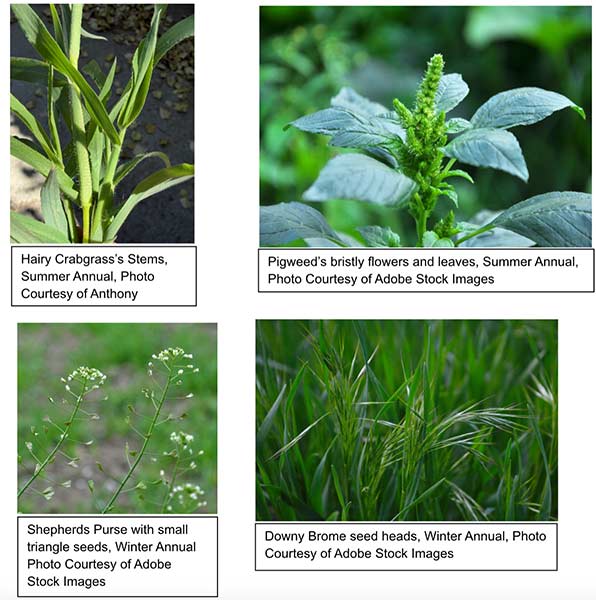
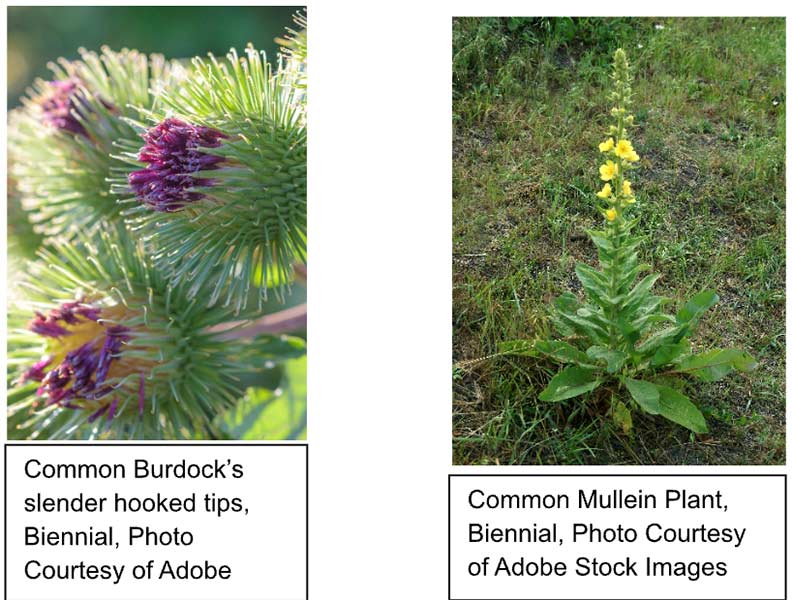
Biennials: Complete their life cycle over two growing seasons. They typically produce a low-
growing rosette and establish a strong root system during the first year. During the second year, they
produce flowers and seeds. Examples are common burdock and common mullein.
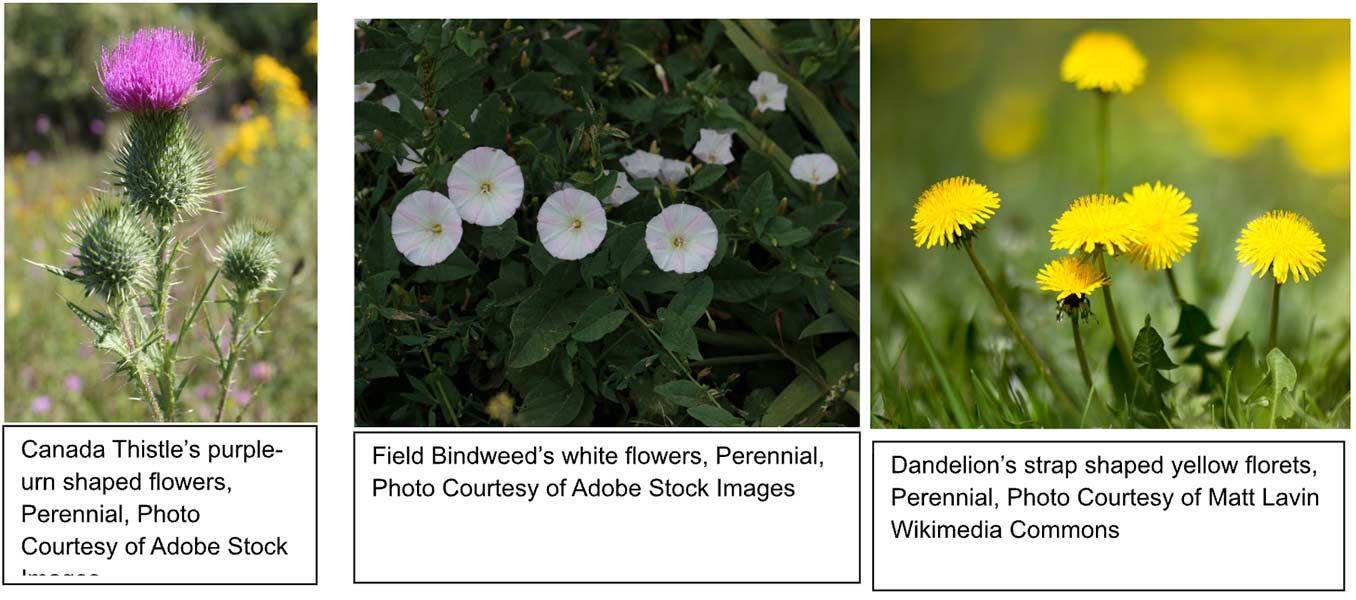
Perennials: Live for three or more years and may reproduce by seed and underground structures
like taproots, creeping roots, or even rhizomes. Common examples include dandelions, Canada
thistle, and field bindweed. These plants die back to ground level and survive underground in the
winter. These are often the most important fall weed control targets.
Let the life cycle guide fall control
Knowing the life cycle of the weed helps determine where efforts should be spent when considering control methods.
Summer annuals will die from freezing temperatures but the seed that has already been developed is the main concern. Removing mature seed heads by hand pulling or mowing will help reduce the overall quantity. Take a mental note of the heavily infested areas for pre-emergence control the following spring. Increasing the density and health of the lawn is an effective tool at limiting the space for new weed seedlings next year.
Winter annuals are developing when most people have already begun putting their gardens and lawns to bed for the fall season. The first growing season is crucial for control, and they can be managed through pulling, shallow hoeing or spot pesticide treatments. Identifying and controlling these weeds while they are young can prevent a larger problem the following spring. Although hoeing can remove small seedlings, avoid disturbing more soil than necessary because soil cultivation can bring additional weed seeds to the surface. In gardens and flower beds, mulch is a great management tool to help reduce new weeds from emerging because it limits the available light to seedlings.
Perennial weeds should receive most of the attention during fall weed control. As these weeds prepare for winter, they move the food they produced in their leaves to the roots and other underground structures. Systemic herbicides absorbed by the leaves may also be transported into the root system. This can improve control of dandelions, Canada thistle, field bindweed and other established perennial weeds. However, the plants must still have green, actively growing leaves. Treatment becomes less effective after a hard frost kills or severely damages the leaves.
Fall control in the lawn
Start by hand pulling or digging isolated weeds when practical. When weeds are scattered, spot treatments can reduce the amount of herbicide applied compared with treating the entire lawn. Select a herbicide that is labeled for the correct application site (turfgrass), and the target weed. Avoid treating weeds that are drought-stressed because reduced plant growth may limit herbicide absorption and movement in the plant. Proper mowing, irrigation, aeration, and overseeding can
increase turf density. A thick, healthy lawn reduces the space available for new weeds to become established.
Fall control in garden and flower beds
Remove weeds carrying mature seeds and dig isolated perennial weeds while the soil is workable. Avoid tilling field bindweed because cultivation can spread root and rhizomes fragments. Protect desirable plants from herbicide contact by correctly applying herbicides according to the product label. After removing the weeds, cover exposed soils with mulch to reduce future weed emergence.
Timing and herbicide safety
Treat weeds while they are green and actively growing. Choose a calm day to reduce risk of drift onto desirable plants. Read the entire pesticide label and pay close attention to the temperature, rainfall, and irrigation directions. Before purchasing a product, confirm that both the target weed and application site are listed on the label.
Conclusion
Fall weed control does not mean treating every weed in sight. Begin with identification, reduce seed production from annual and biennial weeds and focus most of your effort on actively growing perennial weeds. Proper identification and well-timed control can reduce the number of weeds returning next spring.
For more information about weeds contact your local UI Extension office.