DOE taps company for historic INL battery test after 150-day reactor milestone
Published at
IDAHO FALLS – Idaho National Laboratory will be part of another historic milestone in President Donald Trump’s Nuclear Reactor Pilot Program.
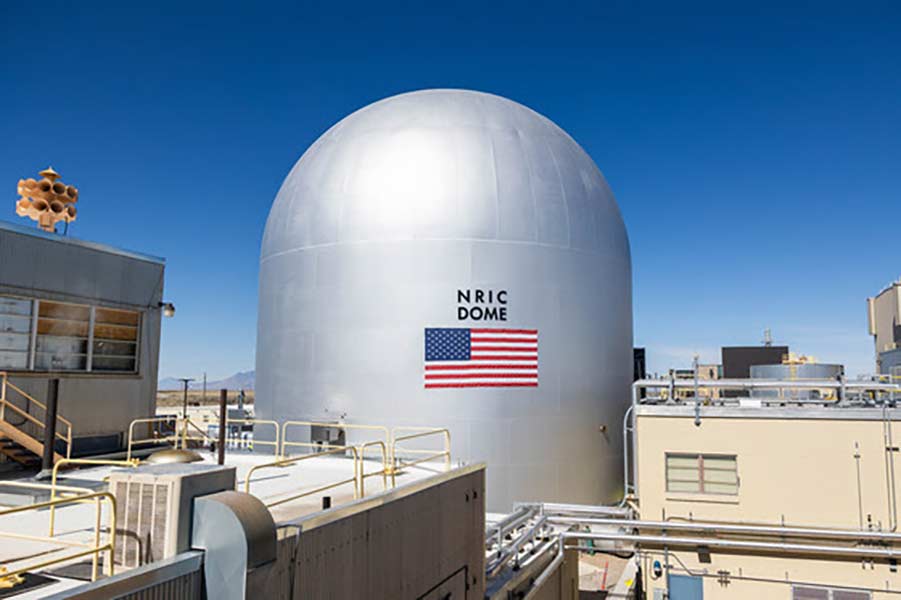
In a news release dated Sept. 30, the U.S. Dept. of Energy announced that its National Reactor Innovation Center selected Deployable Energy — a mass manufacturer of nuclear power — to test a nuclear battery at the Demonstration of Microreactor Experiments (DOME), an INL testbed, in 2027.
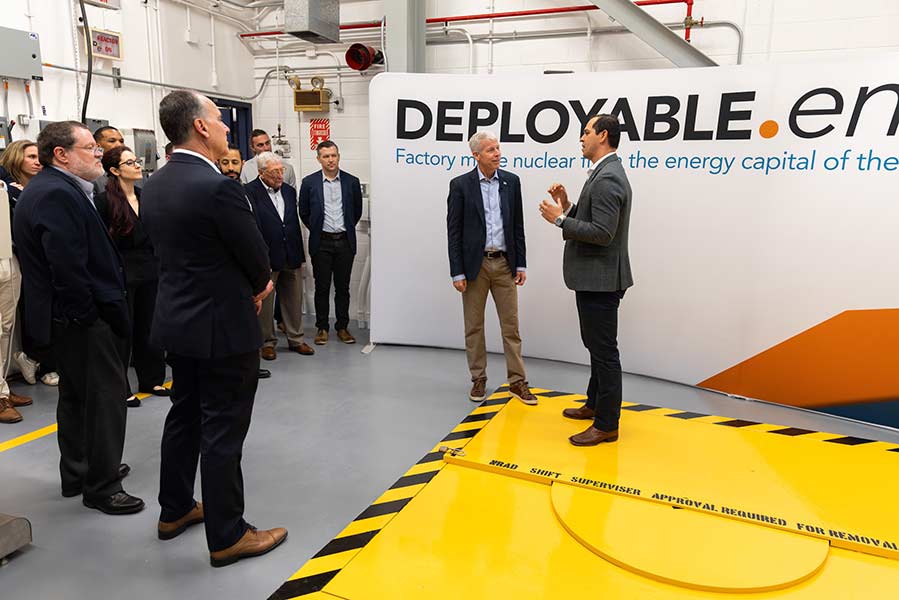
Deployable Energy founder and CEO Bobby Gallagher tells EastIdahoNews.com the DOME Facility is the DOE’s “most competitive asset in the nuclear energy space” and being selected for the project is a significant honor.
“We get to demonstrate the first factory fueled and transported reactor since the 1960s,” Gallagher says. “This hasn’t been done in a very long time.”
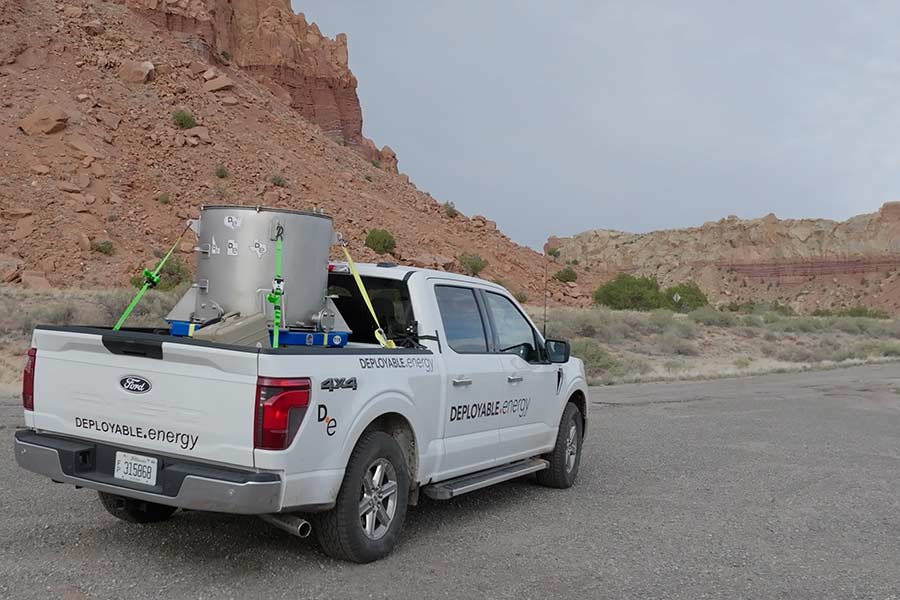
The reactor traveled from Houston to Idaho in the back of a Ford F-150 after achieving criticality in 150 days. The battery test builds on the company’s earlier work through Nuclear Energy Launch Pad and will provide an opportunity to evaluate system performance, integration, controls, safety and operational procedures at an increased scale.
RELATED | America built nuclear power in Idaho first. Now it’s doing it again.
Gallagher says the testing period will get underway in May 2027 and will last up to six months. The company must meet specific milestones throughout the process to maintain its allotted time in DOME and ensure efficient use of the test bed. The test of the battery — which will ultimately power a 1-megawatt micro-reactor — will include a full demonstration of its lifecycle. It will be built, transported, installed, commissioned and operated on site, and later redeployed.
The goal is to use all its fuel in a reactor to see its capacity and dispose of it.
Deployable Energy, based in Houston, Texas, is currently developing a one-megawatt micro-reactor, which Gallagher says can be deployed to power military bases, remote sites, and AI data centers. It’s also developing a second reactor for use on ocean vessels.
After the successful testing of the battery, Gallagher says the next goal is to deploy 100 megawatts of power — enough energy to power 100,000 homes — to the grid in the next two to three years.
“The third phase of the business is to get to one-gigawatt of manufacturing capacity per year at our factory location by 2030,” says Gallagher.
The DOE’s partnership with Deployable Energy started last year. It’s one of four companies working with the agency through the Nuclear Reactor Pilot Program. The zero-power, fueled criticality demonstration with its Unity reactor at INL happened at the end of June.
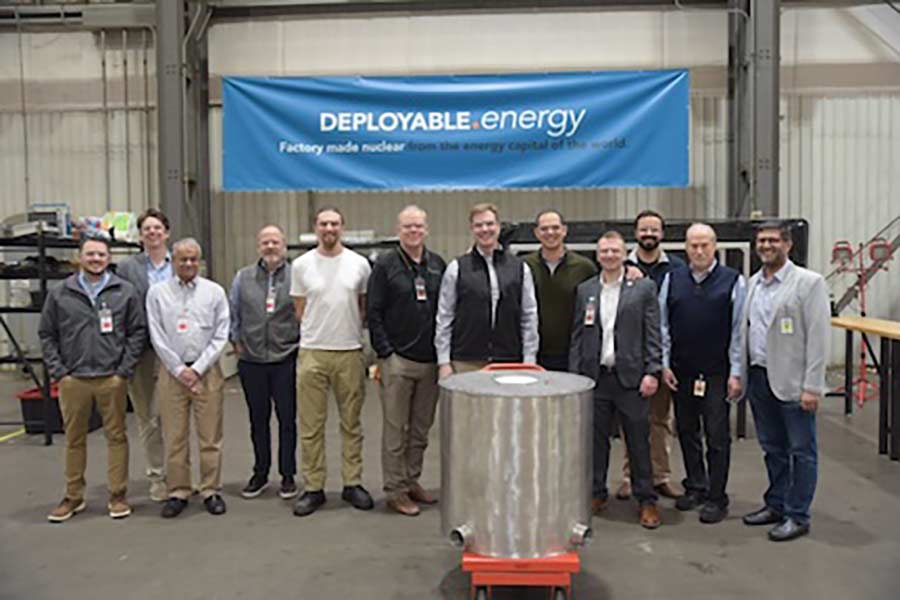
Josh Gillespie, chief operations officer at the National Reactor Innovation Center, says it was Deployable Energy’s “amazing speed” in delivering on its reactor, combined with “the simplicity of the design” that played a role in its selection for battery testing at DOME.
“They presented a really good product, a really good concept and the funding to pull it off,” Gillespie says.
RELATED | First nuclear reactor built on DOE land in 50 years unveiled at Idaho National Lab
Deployable Energy will be the second company to test its technology in DOME, the world’s first micro-reactor test bed designed to safely house and test fueled reactor experiments producing up to 20 megawatts of thermal energy. Tests completed in DOME will help innovators move their reactor designs from theoretical concepts to commercial products.
“We have a strong pipeline of companies interested in the DOME — and that’s exactly the kind of momentum we want to see,” NRIC Director Brad Tomer says in a news release. “It shows that developers recognize the value of the resources and data this testing capability provides as they push toward commercialization.”
‘A fight for the future of the country’
Fifty-two nuclear reactors were built at the INL between 1950 and 1975. EBR-II, a nuclear reactor launched in 1964 that was used to test materials and fuels for fast reactors, was the last reactor built on DOE property. It was shut down in 1994 due to Cold War tensions between the Soviet Union and the U.S.
In 2023, the DOE approved the development of the MARVEL reactor, ushering in what officials called the “Second Atomic Age.”
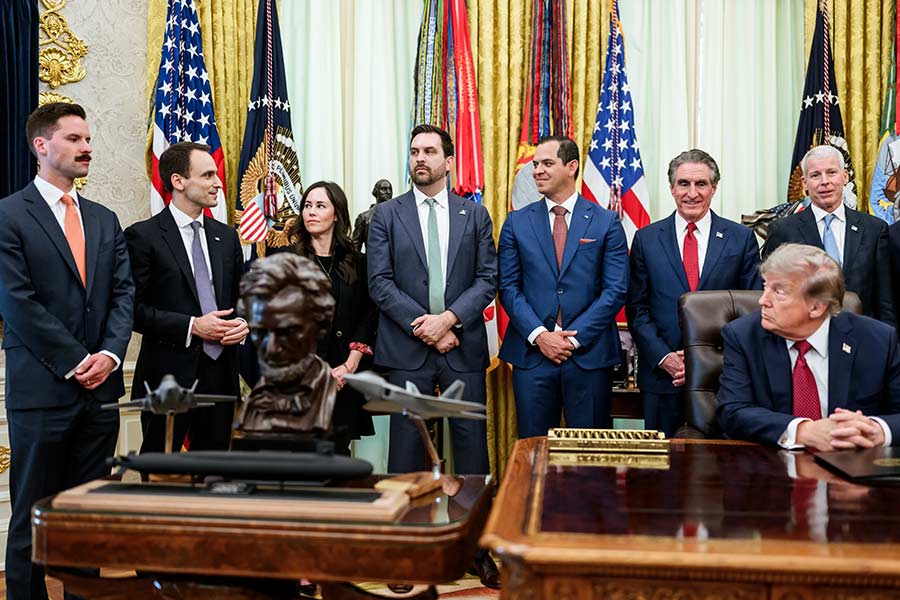
The Nuclear Reactor Pilot Program was created in 2025 after President Trump signed an executive order aimed at leading the world in nuclear and AI innovation.
More than 70 years after our nuclear forefathers launched the nation’s first atomic age, Gallagher calls this new era a “renaissance” of nuclear reactor technology that “will enable the re-industrialization of America” and “ensure we stay on top of this race for super intelligence supremacy.”
“Without nuclear power, we cannot achieve these things and continue to have the U.S. as a shining light on a hill,” he says. “It is a fight for the future of the country, for the future of the globe over the next couple of generations. We’re honored to be close to the spear to push this agenda forward.”