



Oh, bless’ed water! Here’s what I found at the Camas National Wildlife Refuge
Published at

“There is plenty of water at Camas this year,” a ninety-something-year-old recent widower, Ron Dennis, told me Thursday morning when we met. “After two years of no water, the birds are sure enjoying some full ponds.”
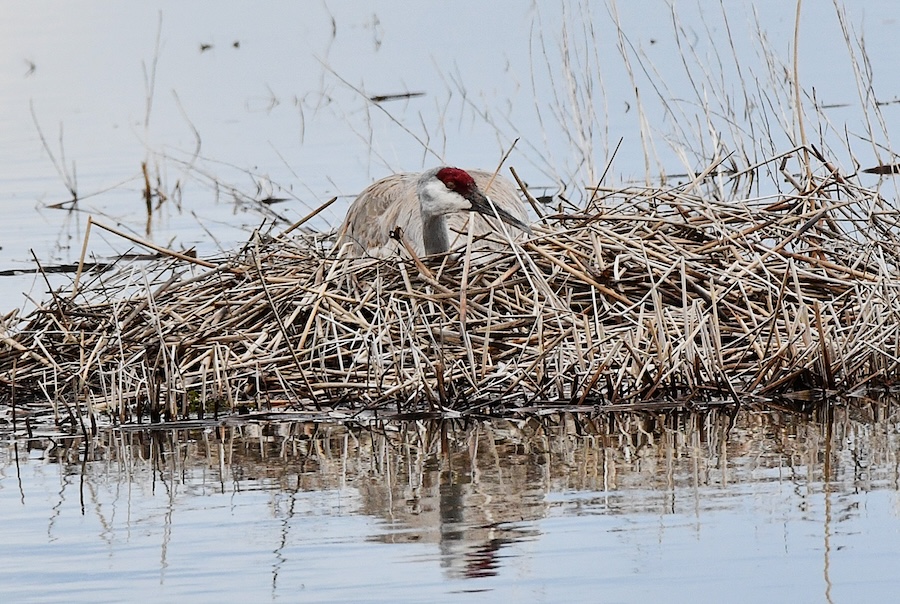
I had been out at the Camas National Wildlife Refuge on Monday and Wednesday watching some Sandhill cranes build two nests and start setting on them.
But on both days, it was in the early morning or during the day when there were less than good photographing conditions; Thursday evening was about as perfect condition for me. I spent over four hours identifying and photographing 64 species of birds in the 71-degree temperature.
The highlight of the evening was when a pair of Eared grebes decided to perform their mating dance. It was the first time that I witnessed that ritual of that species which is fairly common in Eastern Idaho. I was also lucky enough to photograph a Western meadowlark, several Willets and a pair of Long-billed curlews bathing in the clear well-producing water.
For the first two hours on Thursday, it appeared to be another ho-hum day until about 7 p.m. when I noticed the birds were flying into the west side of Big Pond. I found a wide spot in the road where I was able to park where the water had overflowed, creating some shallow muddy puddles. That was where I witnessed the grebes, curlews, meadowlark along with Franklin, Ring-billed and California gulls coming in for a drink.

I was having a blast watching them when I heard the soft flight calls of some Black-necked stilts. A flock of about 30 stilts had hooked up with 11 American avocets and they put on quite a show while circling around a shallow pond before landing.
While watching them, I noticed three tiny Wilson’s phalaropes, busily swimming around, eating the hatching insects for dinner.
It was not long before a small flock of American white pelicans dropped to join the gulls, ducks and geese in the deeper area of Big Pond. A nesting Sandhill crane appeared to dislike all the traffic from the visitors as she sat on her nest. A Bald eagle flushed hundreds of gulls and about 100 White-faced ibis from the refuge’s alfalfa field where they had been harvesting earthworms. They also joined the conglomerate of birds on the pond. All their chirping added to the croaking of the Leopard frogs made for sweet songs to the setting sun.

The use of several wells supplying water to Big Pond and then flowing southward has filled Toomey Pond, which is now overflowing into Two-way and Center Ponds. It looks like we will have a very busy and exciting spring and early summer for visitors to the Refuge.
For several years, Market Lake Wildlife Management Area has been exciting to visit, but this year it has been disappointing because of the lack of water. I understand, most of the springs feeding Market Lake has dried up due to the changing of irrigation from flooding to sprinkling in most areas.

As a friend told me, “Water is habitat.” Right now that part of Market Lake’s habitat is almost missing.
Looks like the ice is leaving Henrys Lake and the Idaho Fish and Game will be conducting gill net surveys starting next week. Fishing is open, but for catch-and-release only until May 24, when you have a limit of two fish.
Good luck and be safe in your outdoor activities.


Living the Wildlife is brought to you by Yellowstone Teton Territory. Experience 7,500 square miles of untamed wilderness in Eastern Idaho's Yellowstone Teton Territory. Where majestic peaks meet endless adventure, your perfect outdoor escape is waiting. Start planning at YellowstoneTeton.com.