



What you should know about stroke recovery and occupational therapy
Published at
Have a medical-related question you've always wanted answered? The doctors at Mountain View Hospital and Idaho Falls Community Hospital are here to help! Email your "Ask the Doctor" questions to news@eastidahonews.com and they might end up in our weekly column.
Question: How can occupational therapy help me or my loved one regain independence after a stroke?
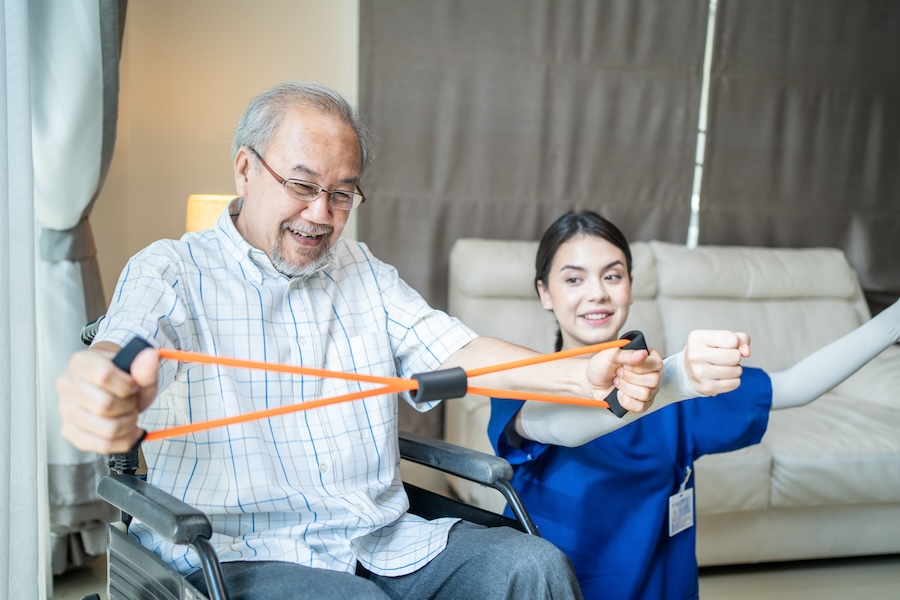
Answer: Occupational therapy (OT) is all about getting you back to doing the things that matter most—like dressing, eating, or engaging in hobbies. After a stroke, an occupational therapist works with you to rebuild skills that may have been affected, such as hand coordination or memory. We start by identifying your goals—like buttoning a shirt or cooking a meal—and break those down into manageable steps. We may use exercises to strengthen muscles, introduce adaptive tools (such as one-handed cutting boards), or teach alternative ways to perform tasks if part of your body isn’t cooperating. The approach is personalized and constantly adjusted as you improve, all with the aim of boosting confidence and restoring independence at home, work, or in the community.
Question: Why is it taking so long to see progress in my recovery? Will I ever get back to normal?
Answer: Stroke recovery varies widely—it’s often a marathon, not a sprint. Progress depends on the stroke’s severity, its location in the brain, and your overall health. While some improvements may be seen in weeks, others take months or more. In OT, we celebrate small wins that add up over time—like brushing your teeth without help. “Normal” may look different than before, but that doesn’t mean it’s worse. Some individuals regain old skills, while others adapt new methods. Our goal is to support continuous progress, revise your therapy as needed, and walk with you through every step of the journey.
Question: My arm feels so heavy and hard to move after my stroke. Can occupational therapy fix this? What will we do about it?
Answer: That heavy feeling is common—it’s often due to disrupted brain signals to your arm muscles. OT can absolutely help. We begin with an assessment of your current function. If weakness is significant, we may use stretching, guided movements, or electrical stimulation to activate muscles. Repetitive tasks (like stacking cups) help rebuild coordination. Adaptive tools like slings or special utensils may also be used while strength and movement are improving. We’ll also teach you safe ways to handle your arm to prevent injury. Each step is designed to help regain function and confidence.
Question: Do strokes happen more during a certain time of year?
Answer: While strokes can occur year-round, some research suggests a slight increase during colder months, particularly winter. Colder weather may raise blood pressure—a key risk factor for stroke—since blood vessels constrict to conserve heat. Reduced activity levels, holiday stress, and less healthy eating habits during winter might also play a role. In OT, we don’t see dramatic seasonal spikes, but we do often see more rehab cases in late winter or early spring. Regardless of the season, maintaining a healthy lifestyle—regular exercise, a balanced diet, and blood pressure checks—helps reduce your risk.
Question: What should the community know about occupational therapy and stroke recovery?
Answer: Occupational therapy is more than exercises—it’s about helping you reclaim your life. We work with you on skills that matter most to you, whether that’s getting dressed, returning to work, or enjoying a favorite hobby. Recovery is personal, and it doesn’t end at hospital discharge. With OT, we focus on your routines, your goals, and your independence. Starting therapy early and staying committed can make a big difference, even years later. To families: your support is crucial. Celebrate small victories, ask questions, and stay involved. Stroke recovery is a journey — and we’re here for every step.
This column does not establish a provider/patient relationship and is for general informational purposes only. This column is not a substitute for consulting with a physician or other health care provider.

Ask the Doctor is brought to you by Mountain View Hospital and Idaho Falls Community Hospital. Mountain View Hospital is proud to offer the community compassionate surgical, labor and delivery, NICU, diagnostic and rehabilitative services. And when the seconds count, count on Idaho Falls Community Hospital for emergency care. With around-the-clock trauma services, state-of-the-art technology, and a highly-skilled team, Idaho Falls Community Hospital is always ready to provide patients with the best possible treatment.