Community celebrates completion of new youth residential behavioral health center in Idaho Falls
Published at
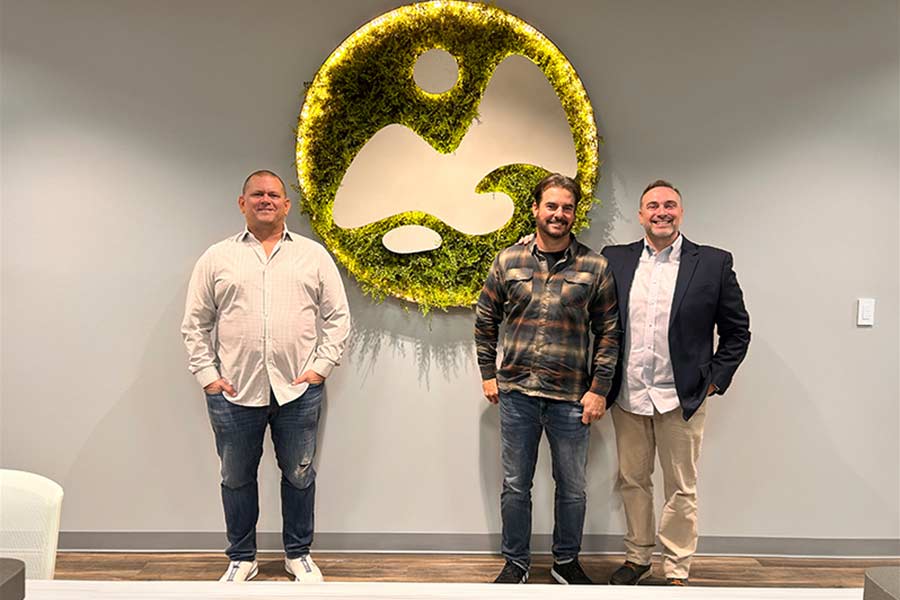
IDAHO FALLS – A new residential treatment center for youth struggling with behavioral and mental health disorders will soon be operational in eastern Idaho.
Staff celebrated the completion of Headwaters Behavioral Health Center at 383 Energy Drive in Idaho Falls last Friday with a ribbon-cutting ceremony. Construction on the 18,000-square-foot building got underway in May 2024 and will be operational in January 2026. Its maximum patient capacity is 40 people.
RELATED | New youth residential mental health treatment center under construction in Idaho Falls
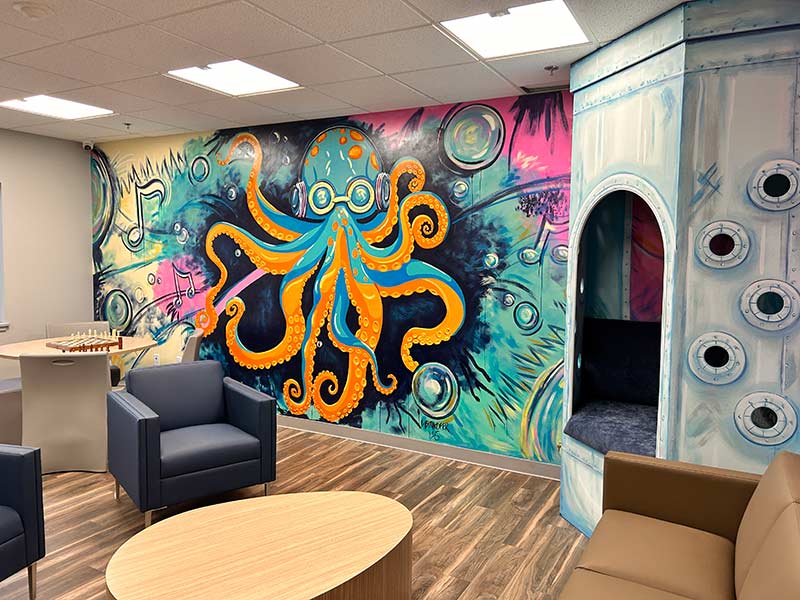
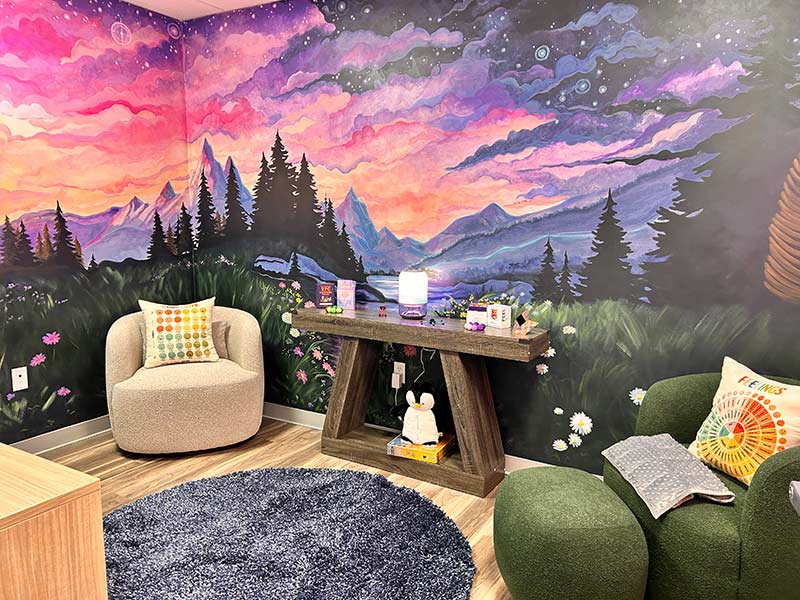
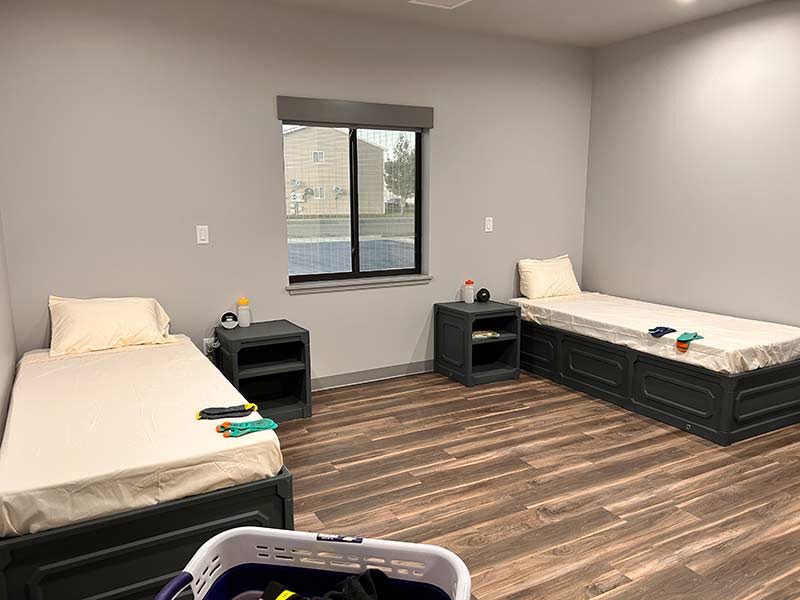
EastIdahoNews.com took a tour of the building on Thursday. Amenities include numerous patient rooms, showers, a cafeteria and gym/recreational area, as well as a conference room.
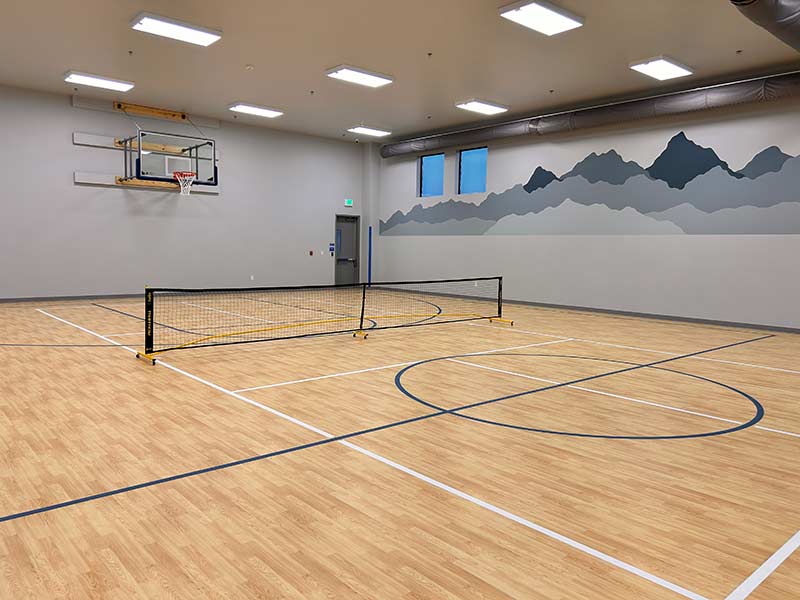
During the tour, Lex Fanopoulos, the center’s program director, said the building is for youth between ages 12 and 17 who struggle with a variety of mental health disorders, including anxiety, depression and suicidal ideation. It’s also for teens struggling with drug addictions in conjunction with other behavioral or mental health struggles.
The center is for patients in need of long-term, non-emergency care. Their stay can vary from several weeks to six months, depending on the severity of the mental illness.
“Each case is going to be unique,” CEO Bruce Figured says.
Before this, Fanopoulos says families in need of these services had to seek treatment out of state. Although Eastern Idaho Regional Medical Center and the Behavioral Health Center offer similar services, Fanopoulos says Headwaters fills “a critical need” in mental health treatment.
RELATED | EIRMC’s Behavioral Health Center adds 12 beds to its adolescent care unit
In Idaho, Figured says the suicide rate among teens is 45 percent higher than the national trend. Fanopoulos cites the latest data from Youth Empowerment Services, which shows that 17% of Idaho youth have experienced a “major depressive episode” — that’s three percentage points higher than the national average. Similarly, 21.3% of Idaho high school students have “seriously considered suicide.”
Fanopoulos says 53.9% of teens in Idaho who struggle with mental illness have gone without treatment or support.
It’s not clear why mental health struggles are higher in the Gem State, but Figured says nationwide, the COVID-19 pandemic played a big role in the increase of mental illness cases.
“One of the problems that’s really impacting our young adults is chronic loneliness and being isolated from people,” he says. “A lot of people lost the ability to connect with others when the pandemic hit.”
Figured says social media use has also played a role in mental illness. Increased use has replaced normal human interaction for many teens.
“It’s a basic human need for connection with people,” he says. “When you have adolescents that don’t know how to connect anymore, the natural consequence is depression, anxiety, mood disorders, problems coping, etc.”
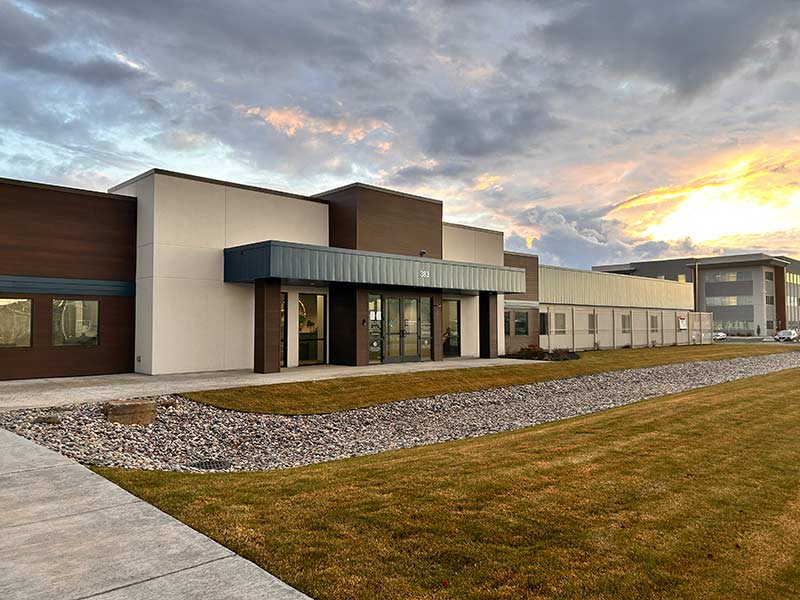
Chad Engbrecht, the facility’s chief development officer, says there were several reasons why this location was selected, including its proximity to the highway and other related resources.
Fanopoulos is grateful to be in eastern Idaho. While he doesn’t wish to see anyone use these services, he’s glad it’s available for those who need it.
“One of our goals is to bring youth and their respective families together so that we can do this process together. We are seeking and relying on community support because we can’t do this alone,” he says.