




RUNOFF: Dahlquist or Cates? Here are the Pocatello mayoral candidates’ take on the issues
Published at | Updated at
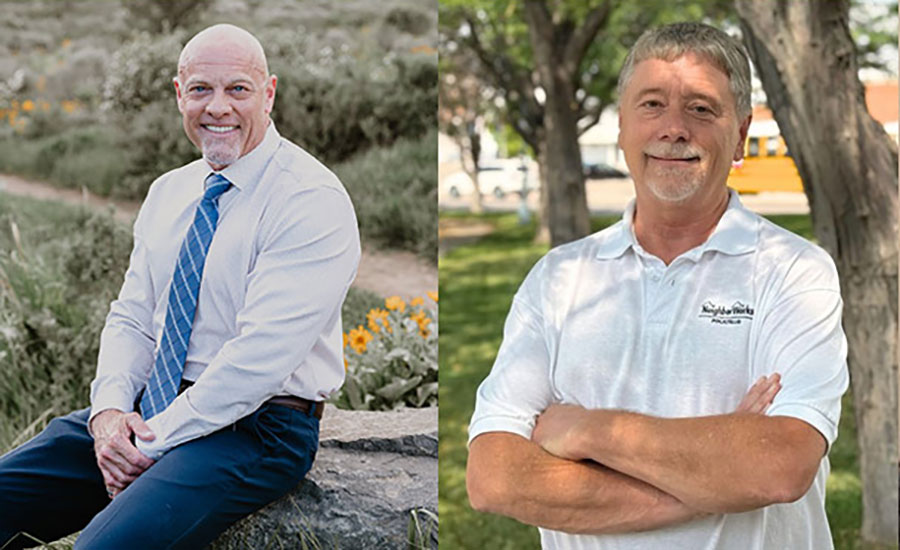
EDITOR’S NOTE: Greg Cates failed to return his responses by the Nov. 21 deadline, or the extension of Nov. 26. However, EastIdahoNews.com accepted his responses on Nov. 30, and the story has been updated to reflect this.
POCATELLO — With the December runoff election fast approaching, two candidates will face off to become the next mayor of Pocatello.
In the Nov. 4, 2026 general election, neither Mark Dahlquist or Greg Cates obtained a 50% majority, resulting in a runoff election being declared.
Looking at the numbers, Dahlquist secured the most votes with 40% or 5,153 votes, with Greg Cates at 31% or 3,938 votes. Mayor Brian Blad received 14% of the vote.
RELATED | Here’s who is donating to Mark Dahlquist and Greg Cates in the Pocatello mayoral runoff
Pocatello is one of two cities hosting runoff elections in eastern Idaho. Idaho Falls is deciding on a new mayor between Jeff Aldridge and Lisa Burtenshaw.
RELATED | Voters oust Pocatello Mayor Brian Blad; runoff now set between two challengers
EastIdahoNews.com created new questions and sent them to Dahlquist and Cates to gain a deeper understanding of each candidate’s platform. Their responses, listed below, were required to be 250 words or less, and were only edited for minor punctuation, grammar and length.
The runoff election is scheduled for Dec. 2. To find a voting location near you, visit VoteIdaho.gov.
Questions:
1. Did Pocatello’s November 2025 election deliver a mandate for change from voters? If so, what are the most important things that need to change about Pocatello’s direction?
Dahlquist: Yes. Voters asked for steadier, more local minded leadership that fixes basics and finishes projects. Polling showed deep dissatisfaction with the status quo and clear support for three priorities: attainable housing, backing first responders, and pushing back on one-size-fits-all state overreach. That’s the mandate: build housing across the spectrum, keep decisions close to home, and make City Hall open-book and reliable.
Cates: Yes, Pocatello’s November 2025 election absolutely delivered a mandate for change. In fact, 86% of the community voted for change, a definite stamp of disapproval. That’s because people in our city are tired of being ignored and overtaxed with nothing to show for it.
The most important change has already occurred: a change in leadership. Beyond that, we need to take concrete steps to set Pocatello on the right path. This includes hiring a CFO to get our finances on track, cleaning up the city, reforming the police department, attracting good-paying jobs, and revitalizing our downtown. These actions are critical to responding to voter frustration and ensuring that the city starts moving in a better direction.
2. What would the biggest differences be between Mayor Brian Blad’s approach to governing and your approach?
Cates: The biggest differences between Mayor Brian Blad’s approach to governing and my approach come down to leadership, financial responsibility, and proactive economic vision. Under Mayor Blad’s leadership, our city became stagnant while other cities around us flourished. Taxes rose to all-time highs, and median household incomes and job growth stalled, creating a community that has become increasingly unaffordable to live in.
My approach will be the opposite. When I’m elected mayor, I’ll immediately work to stabilize our financial footing by hiring a qualified CFO and going line-by-line through our budget to identify waste and reduce it. I’ll collaborate with our regional economic development experts to begin recruiting businesses and marketing Pocatello as a great place to start or grow a company.
I will also focus on building strong partnerships with Idaho State University and research and development firms to create clear pathways to employment for local graduates—so our children no longer feel like they have to leave town to build a career or start a family.
So, where the previous administration allowed stagnation, my administration will restore discipline, drive growth and invest in opportunity for Pocatello’s future.
Dahlquist: My approach centers on transparency, execution, and citizen involvement. I’ll publish dashboards, set clear timelines for permits, and measure results residents can see—storefront occupancy, permits issued, vacancy rates, and response times. I’ll modernize zoning for entry-level homes and ADUs, run a permitting “sprint,” and finish corridor cleanups so we can recruit good employers. In short: fewer press releases, more punch lists — and decisions kept in Pocatello’s hands.
3. Do you generally agree or disagree with the vision laid out for the city in Pocatello’s Comprehensive Plan 2040? Are there specific parts you agree or disagree with?
Dahlquist: I generally agree with Comp Plan 2040’s big ideas: reinvesting in existing neighborhoods, adding housing choices, and connecting parks, the river, and trails. Where I’ll push hardest is on practical, near-term wins—code cleanup, infill that fits, and Greenway/River access. As with any comprehensive plans, it’s tempting to file them away and call it good. The city’s 2040 Comprehensive plan will be a living, breathing document at the forefront of the council and the city staff.
Cates: I generally agree with the vision laid out in Pocatello’s Comprehensive Plan 2040. The plan clearly reflects a lot of hard work and collaboration with community members, and it provides a detailed and thoughtful blueprint for our city’s future.
I especially appreciate the vision for downtown and the river corridor, as well as the focus on creating safer, more connected neighborhoods. I also really like the idea of more fully integrating Idaho State University into the community and making it an even bigger part of what makes Pocatello such a great place to live.
Overall, I think the plan is strong, and now it’s time to put all that hard work into action and begin building the better future it describes.
4. What strategies would you use to correct a budget deficit if you were faced with one?
Cates: Unfortunately, our city has faced budget deficits year after year. Last year’s deficit was over four million dollars, and projections for 2026–2027 look even worse. That’s why my first priority is hiring a qualified Chief Financial Officer to help put Pocatello back on stable financial footing.
My initial step will be to stop the bleeding and stabilize spending while assessing the full extent of the problem. This includes restricting non-essential expenditures, pausing new contracts or hires unless critical for public safety or legal compliance, tightening procurement, and requiring approval for major purchases.
Next, we must obtain a clear and accurate financial picture. I will bring in a forensic accountant to conduct a focused audit-like review of fund balances, debt obligations, liabilities, revenue streams, and assets. I will also meet with department heads to identify known issues and critical needs.
With that information, we can begin moving forward. Working with the CFO and department leaders, we will build realistic departmental budgets and develop a multi-year recovery plan focused on debt reduction, rebuilding reserves, increasing efficiencies, and eliminating unnecessary spending. We will consolidate procurement and implement stronger spending controls.
For example, the city currently has about 300 employees with credit cards, each able to spend thousands of dollars with minimal oversight. I will end that practice and limit credit cards to management or supervisors who can closely monitor expenditures.
My goal is to restore financial stability, maintain high-quality services while keeping taxes low, and improve the quality of life for everyone.
Dahlquist: If faced with a deficit: start with an immediate hiring pause on non-critical roles; defer nice-to-have capital; consolidate contracts; and open the books with a citizen budget committee. Protect core services (police, fire, water, streets), publish monthly variance reports, and tie any short-term fee or LOT proposals to sunsets and oversight. Stewardship first, politics second. We also need a much greater focus on raising our tax revenue base via new business development.
5. Both of you have talked about bringing more housing to Pocatello. What types of housing would you most want to see come to the city (i.e. single-family dwellings, apartments, ADUs, three-flats, etc), and how would you, as mayor, encourage those types?
Dahlquist: We need a full ladder of options: small-lot single-family, townhomes/duplex-triplex, quality apartments near jobs and ISU, and ADUs where they fit. As mayor I’ll: modernize zoning; fast-track code-compliant projects; publish a predictable checklist; rehab aging homes with targeted incentives; and leverage LIHTC/CDBG/HOME and land partnerships. Success looks like more permits, higher vacancy, and rent growth flattening.
Cates: Right now, Pocatello has more than 200 single family homes on the market and nearly 1,000 new apartments already in the pipeline. Based on those numbers, I don’t believe our city is facing a true housing shortage. What we are facing is a community of people who can’t afford housing of any type, and that is the real crisis.
For that reason, the kind of housing I’m most focused on isn’t a specific building type. It’s housing that people can actually afford. And the only sustainable way to achieve that is by increasing household incomes. That’s why my priority as mayor is attracting jobs that pay a livable wage. When people earn more, housing becomes more affordable, whether they choose a single family home, an apartment, an ADU, or anything else.
The solution isn’t simply building more units, it’s building a stronger economy. By bringing in better paying jobs, supporting local business growth and strengthening our city’s economic foundation, we can ensure that residents have the means to choose the housing that fits their needs.
The answer to our housing problem isn’t more housing, it’s better paying jobs and real economic growth.
6. Infrastructure Management Services (IMS), rates Pocatello’s roads as above the national average, but their quality remains one of the most common problems brought up by residents. Where does this mismatch come from, and what can be done to improve the roads or the perception of them?
Cates: There’s obviously a disconnect between technical road surveys and the day-to-day experience of people who actually drive Pocatello’s streets. While IMS reports may rate the road network above the national average, many roads are visibly worn, patched, or uneven, and residents feel the effects every day. You don’t need a survey to recognize when a road is in poor condition, you can feel it behind the wheel.
This mismatch raises questions about how road conditions are assessed, how maintenance decisions are made and whether the data we received truly reflects on-the-ground realities. A closer look at current practices, oversight, and public works management could help ensure that road evaluations align more closely with real conditions and community expectations.
Despite survey results, it’s my experience that if something’s not working, you don’t continue to keep doing it the same way. You either change it, replace it, or fix what’s wrong with it, and that’s what I intend to do when I’m elected mayor.
Dahlquist: IMS says we’re “above average,” but residents still feel every pothole. In addition to roads, though, aging curb, gutter and sidewalk around the city needs serious attention and more resources. I’m hearing about the poor condition of our sidewalks with many people I speak with, as well as poor condition of some of our alleyways.
7. A common need Pocatellans have brought up is higher wages, and you’ve both expressed a desire to bring more companies to the city. How would bringing more companies into the market raise wages overall? What are some other strategies you’d use to raise wages?
Cates: As your mayor, I will focus on self-sustaining job growth and lifting our community up, helping every person in Pocatello find stability and purpose through meaningful work. My goal is to help people earn a living wage, support their families and live with dignity without having to rely on government programs just to survive.
I will prioritize economic development by working closely with regional development partners to strengthen our local economy. I’ll focus on retaining and expanding small businesses, giving them the tools and support they need to grow right here in Pocatello, providing good-paying jobs for our neighbors and friends.
I’ll also promote job creation through partnerships with business incubator and accelerator programs, helping entrepreneurs turn great ideas into successful local businesses.
I’ll champion workforce development by partnering with the College of Technology and the College of Business at Idaho State University. By connecting our talented graduates with local employers who share our community’s values, we can keep our best and brightest right here in Pocatello, building a stronger, more independent local economy.
Together, we can build a Pocatello where everyone has the opportunity to thrive, a community that lifts people up, helps families stand strong, respects taxpayers and ensures that no one is left behind.
Dahlquist: New employers lift wages by competing for talent—especially when we align training with jobs. My dad helped recruit AMI by syncing ISU’s Vo-Tech skills with employer needs; we’ll do the same with ISU today. I’ll stand up a one-stop business desk, pre-entitle “shovel-ready” sites, and target sectors that pay well. Plus: survey businesses that considered Pocatello as a site location but backed out. We need to get a handle on why we are not taking certain projects and business expansions to the finish line.
8. Both of you have expressed a desire to make changes at the Pocatello Police Department. What would these changes be, and how would you handle potential pushback from the local police union?
Cates: The tragic shooting of Victor Perez on April 5th made it clear that we have real gaps in training, ongoing retention problems, and a culture within the Pocatello Police Department that is not serving our community the way it should. It also showed us that meaningful change must start with leadership and with the philosophy guiding the department.
Right now, the department’s leadership has embraced a combat-style mindset influenced by Echelon Front rather than community-focused policing. That shift has moved us away from the principles that actually build trust, safety, and accountability between officers and the people they serve. Pocatello deserves a police department rooted in partnership, not a battlefield mentality.
I’ve also said the current leadership was never going to endorse a candidate who is committed to replacing the police chief and implementing real reforms. They backed the candidate who will maintain the status quo, someone they know will not challenge existing problems or push for needed change.
That is not a deal I am willing to make.
My commitment is to the people of Pocatello. I’m running to build a better-trained, more transparent and more community-oriented police department. Those changes are necessary and I’m prepared to do the work even when it means facing pushback from the union. I will collaborate where we can, listen to officers’ concerns, and support them with the training and leadership they deserve but I will not compromise on reforms that make our community safer.
Dahlquist: Priorities: fill vacancies, fund training/equipment, and strengthen trust through transparent metrics (response times, use-of-force summaries), body-worn camera compliance, and meaningful community input. I’ll pair support with accountability clear policies, coaching, and independent review where appropriate. With the union, I’ll bargain in good faith, focus on safety and professionalism, and keep the community at the table. Residents want both safety and accountability.