



Idaho Falls woman searching for biological family discovers she was kidnapped by orphanage
Published at | Updated at
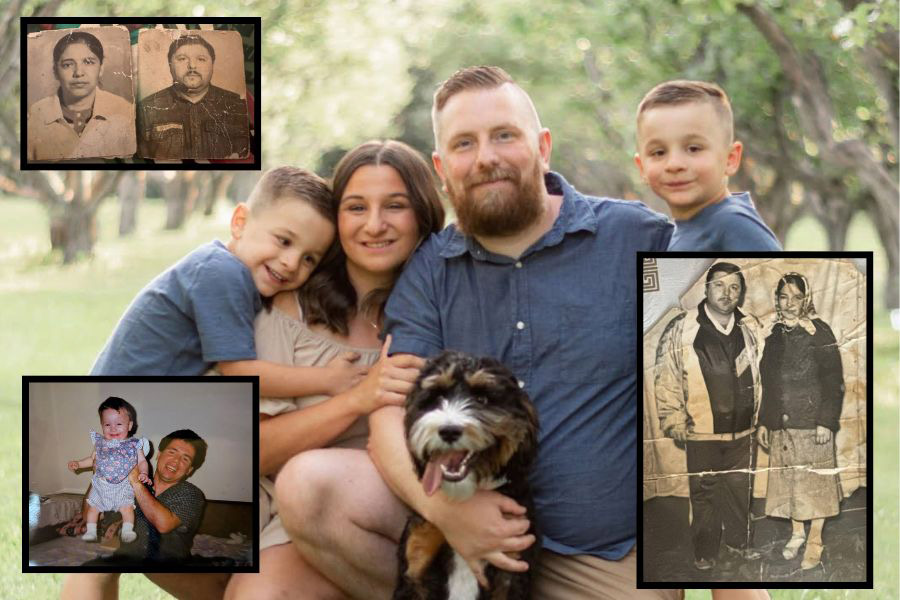
IDAHO FALLS — McKenna Christensen could never have guessed what she would discover when she decided to finally start looking for her biological family.
In 1997, at a year-and-a-half old, Christensen was adopted from Moldova in eastern Europe by her parents, Melanie and Travis Ihler, and brought to Idaho Falls.
“(My parents) had a little boy who was about 2, but they really struggled to get pregnant,” Christensen says. “They put in for an adoption agency that was based out of Utah that did international adoption.”
Through the adoption agency, orphanages around the world would reach out and let them know if they had children who were available and eligible for adoption.
“(The adoption agency) sent them a picture of me and said, ‘She’s available for adoption. We think she’d be a great fit!'” Christensen says. “So they flew over to Moldova and decided that I was perfect!”
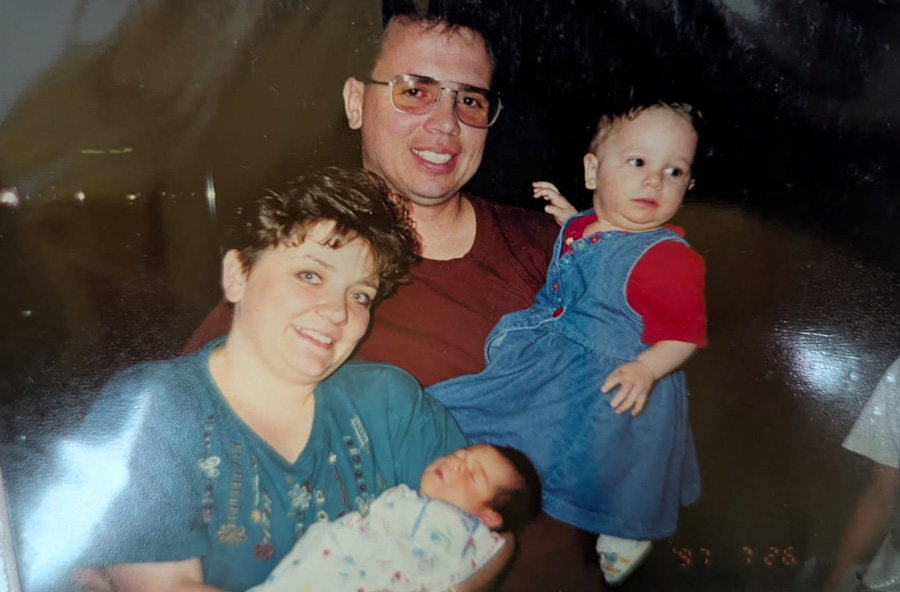
Christensen says the adoption process took about eight months to be completed before her adoptive parents flew back to Moldova to pick her up and take her to Idaho, where she’s lived ever since.
“I’ve kind of just always known I was adopted. I don’t have like a specific day I remember my parents dropping a bomb like that on me or anything. … They’ve shown me on a little map where I’m from, and so I’ve always just kind of known,” Christensen says.
As she grew older, Christensen says she began to wonder about the circumstances of her adoption — why her biological parents had to send her to an orphanage, who they were and if they were still around.
“Based on what my adopted parents knew about Moldova and from the information the orphanage gave them, it was a very, very poor country at the time when they went over in 1997,” Christensen says. “We were kind of under the impression that maybe my mom and dad just could not afford to keep me.”
In high school, Christensen became increasingly curious, completing an Ancestry DNA kit to determine if there were any blood relatives who had also been searching for her through the same avenue.
“I’ve always known I was here for a better life. I’ve never been mad about it or any of that,” Christensen says. “But I’ve always been curious, like, I would love to know if I look more like my mom or my dad, or do I have siblings?”
Unfortunately, the DNA testing came back with no information.
“Occasionally I would research my biological last name and see if anything came up on Facebook or anything like that,” Christensen says. “But then this last year, I got a little bit more curious. I’m not really sure what caused me to get so curious. I just, I think I knew it was time. I wanted to know.”
In February, Christensen hired a private investigator to investigate her past. Through this, she discovered the village her parents came from, their names, the hospital where she was born, and her biological name: Marcela Ibrian.
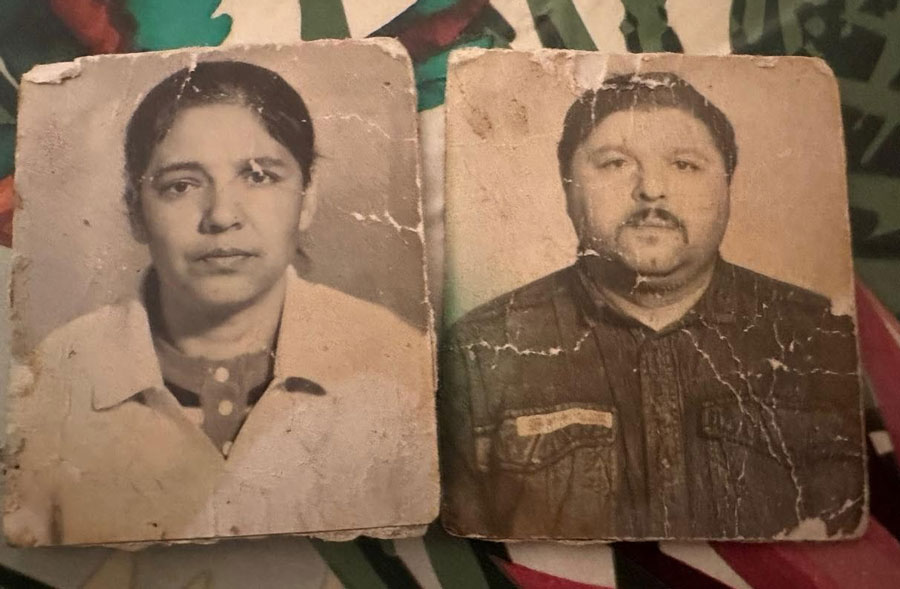
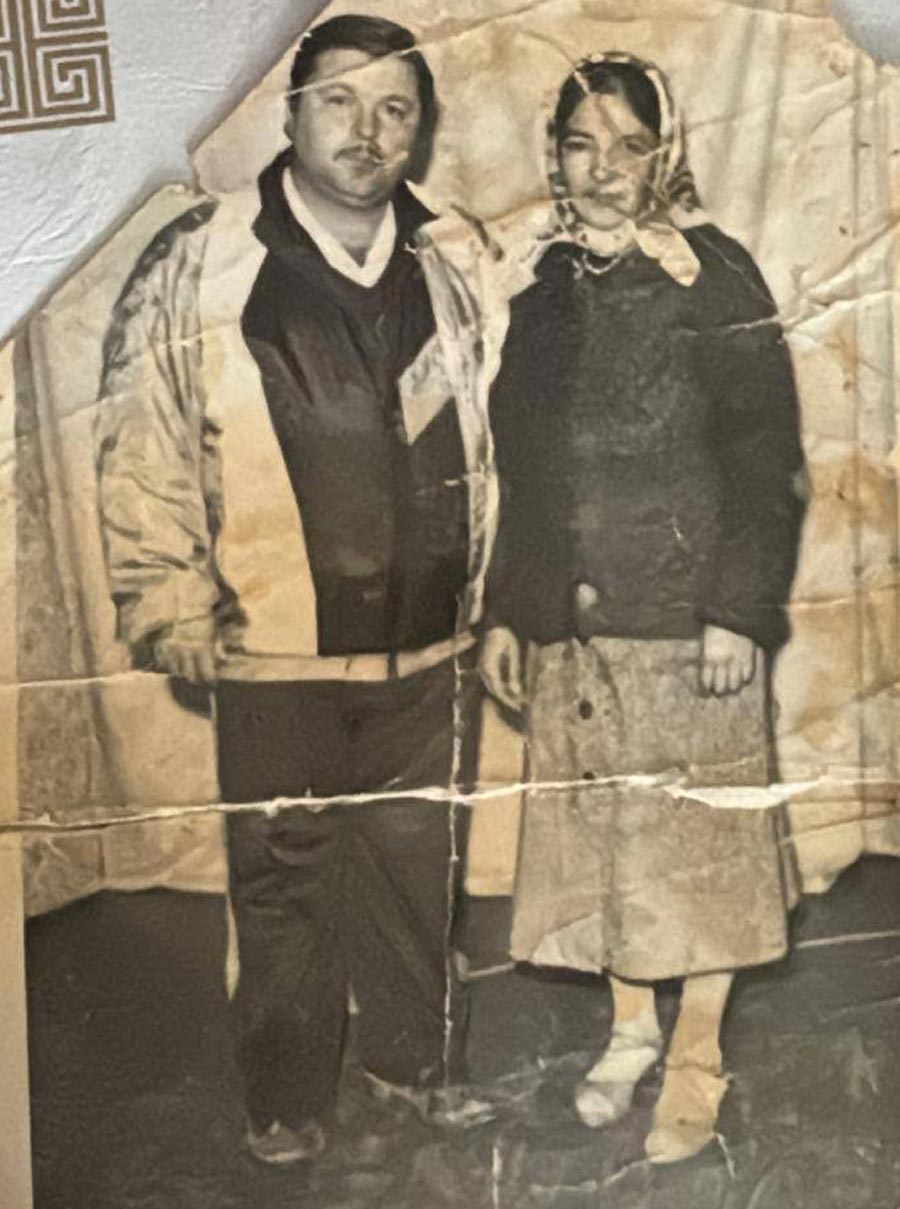
“Other than that, we didn’t have a whole lot to go on,” Christensen says.
Unfortunately, the private investigator became ill and was no longer able to help with her history search. But Christensen wasn’t done.
In May, she came across a Facebook page called Copiii niciodată uitați ai României, which translates to “The never forgotten Romanian children.”
According to the page, this group is a nonprofit that helps to connect people from all over the world who were adopted from Romanian-speaking countries.
“I reached out to them and was just like, ‘Hey, I don’t know how you guys kind of do this, but I’ve looked at a lot of your guys’ posts, and I’m curious if this is something that you guys can help me out with,'” Christensen says. “(They said), ‘Give us your story, give us what information you have, send us some pictures of yourself, we’ll create a post for you, (and) we’ll put it out there. Then if anybody knows anything, they reach out to us.'”
From there, Christensen says she was told they’ve had success stories occur anywhere between two days and 12 years from when the post is shared. Christensen’s took two months.
“At the end of July, I had a guy reach out to me at like 5 in the morning our time, and he said, ‘Hey, my name’s Bogden. I have a lead on your biological family, but I need to verify a couple more pieces of information. But I’ll let you know,’” Christensen says. “He messaged me 20 minutes later and said, ‘OK, we’ve verified information. It is your family.'”
Christensen says she immediately got on a call with the nonprofit volunteer, where she learned that her biological niece had reached out to the page, saying she believed Christensen was her aunt that her family had been looking for for decades.
“(Her niece) sent (the Facebook page) my sister’s birth certificate and also told the story,” Christensen says.
Through her newfound niece, Christensen learned that she was one of nine siblings – all of whom are still alive, although many are much older than Christensen, and they all live in or near Moldova.
But the story doesn’t end there.
“When my mom got pregnant with me, she found out the same day that she was diagnosed with stomach cancer,” Christensen says. “But they kind of believed that I would get better or that she would get better, but unfortunately, she didn’t.”
Christensen says that after her birth, she was kept in a facility similar a foster care situation, while her mother was ill. Her family would come take care of her as often as they could, but it was a place for newborns to stay if their families could not care for them right away.
“The plan had been that my oldest sister, who was 25 at the time and living in Russia, would come take care of me as her own, along with the four younger children, if something happened to my mom,” Christensen says. “Unfortunately, (my mom) did keep getting sick, and she ended up in the hospital, so my dad would come to visit me and take care of me in the maternity ward.”
According to the family, Christensen’s father visited her one day in the maternity ward, intending for her older sister to pick her up three days later and take her to Russia, where she would live.
When her sister got there three days later, Christensen was gone.
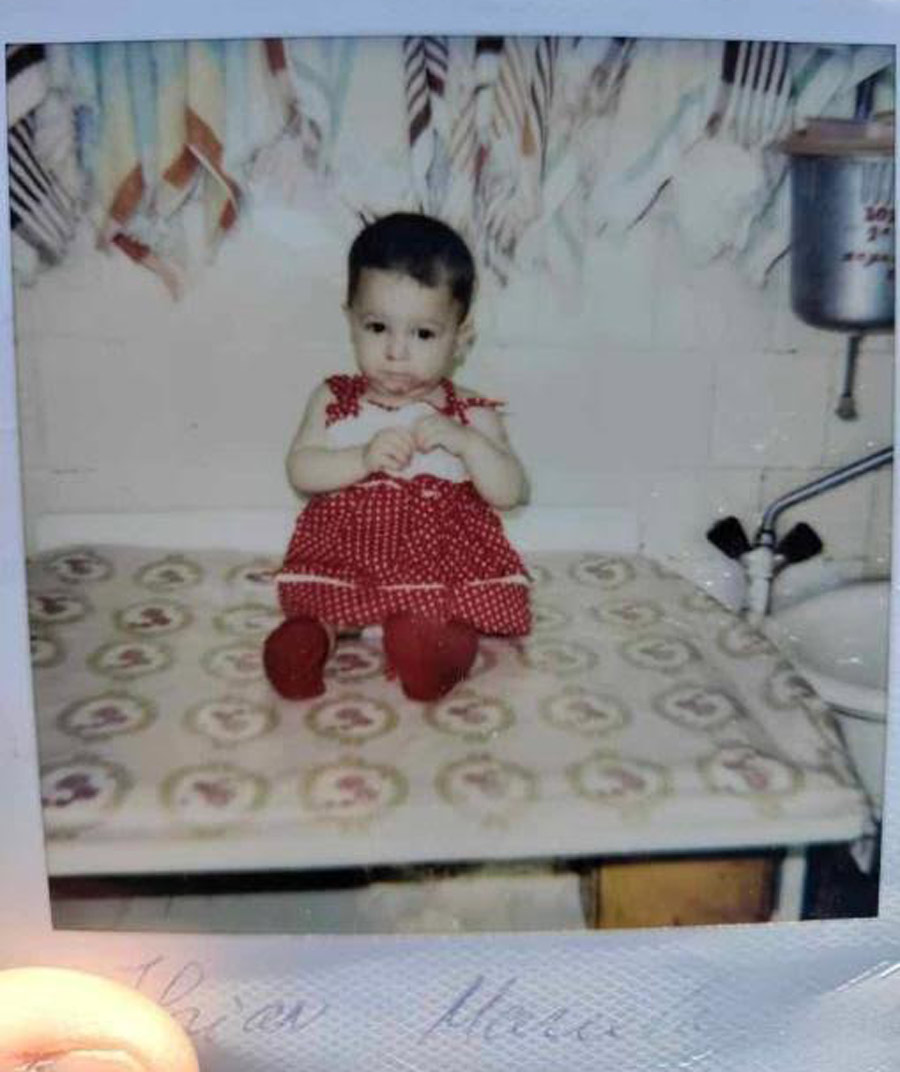
“I was not in the maternity ward. My family says they did not sign over rights, like (they) had no intention of having (me) adopted,” Christensen says. “When they went to ask about me, (the maternity ward staff) said, ‘She’s not 18, you can’t ask about her.’ They really did not give them any information about where I was.”
Staff told the family that Christensen had been “abandoned” and that they could not tell them where she was.
“There were a lot of illegal things going on there at the time with children. Children were very much a source of money,” Christensen says. “Pediatricians would tell parents even in that hospital, like, ‘Sorry, your child died, it was very sick.’ And then they would not release a body. This was a very common thing that happened over in the ’90s.”
Soon after, in July 1997, Christensen was adopted. Her biological mother passed away a month later. But the family never stopped looking.
“When I was about 4 here in the United States, I guess my birth family had hired a lawyer, because they were doing a lot better financially at this point,” Christensen says. They had hired a lawyer to go look for me. I mean, they kind of turned up at the same answer, like, ‘Sorry, she’s not 18. We really can’t give you any information. I’m sorry, when she is 18, she can come looking for you.'”
According to Christensen, officials in Moldova discourage families from looking for their missing adopted children.
“But they really, really discourage families from looking for their biological children over there, regardless of the situation. Even children who want to find their family are not encouraged to do that either over there,” Christensen says. “So they kind of were between a rock and a hard place with that.”
So when Christensen’s niece reached out on Facebook, and their relation was confirmed, the family was ecstatic.
“They’ve been looking for me this entire time. Nieces, nephews, cousins, the whole bit — like they’ve all been watching for me,” Christensen says. “My older sister, who was supposed to come get me that day, has been haunted by it. My whole family jokes that anytime she would see a little girl that looked maybe the age that I was supposed to be, she’d be like, ‘Oh, that’s her! That’s her! She’s got to be her!'”
Christensen learned that her family never forgot about her, even making sure to include her whenever they talked about their family.
“Whenever they tell people how many kids are in their family, they always include me in that number. (My sister) was adamant that she would find me one day,” Christensen says.
But, even through cautious optimism, Christensen still had reservations. What if this was a scam?
“This Bogden guy tells me this entire thing, and I am emotional, just beyond, but there’s a little bit of me that was like, ‘I don’t know, like how legit is this? What if they’re like just paying someone to pretend to be my family?'” Christensen says. “I’ve only heard bad things that come out of places like this, right? And I haven’t heard of a lot of people finding their families and it being legit and being so positive.”
The nonprofit informed Christensen that her older sister wanted to conduct a video call, so Christensen decided to consult with her husband about it before agreeing, on the chance that it might be a scam.
“I told my husband, and he was kind of the same way, he’s like, ‘This is amazing, but like, are you sure it’s real?’ And I was like, ‘Well, I don’t know. I guess we’ll find out,'” Christensen says.
The nonprofit sent over photos of Christensen’s biological family, and according to her, the resemblance is easy to see, but it didn’t erase her hesitancy over the situation. Soon after, Christensen decided to get on the video call and see for herself.
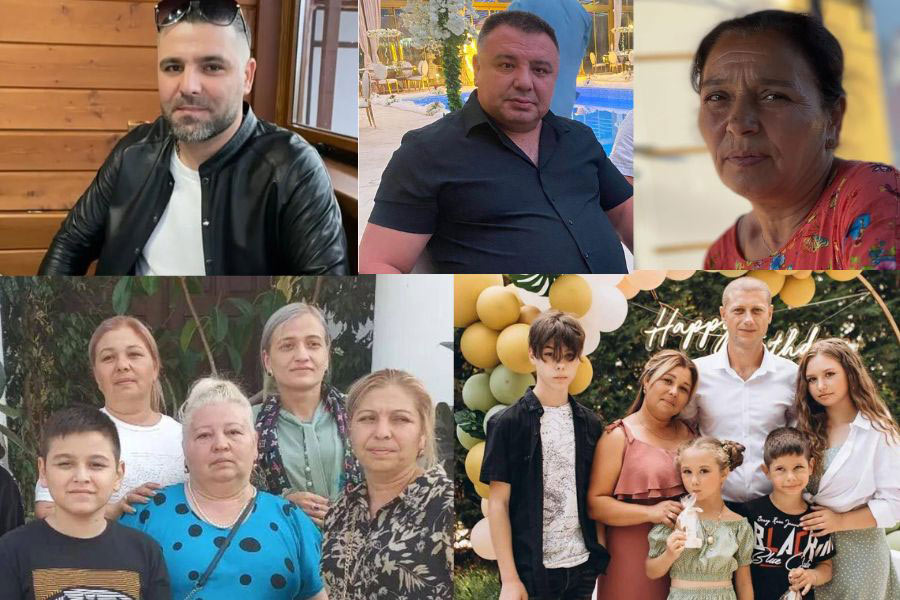
“I get this lady on the phone, and she is hysterical, like bawling her eyes out, reaching for the screen, just like holding her chest. She is so emotional,” Christensen says. “I just felt like an idiot. I was just looking at her because I could not believe how much she looked like me. I was so flabbergasted.”
Christensen’s oldest sister, Mira, tells her that a few years after their mother passed, their father also passed away.
“I really can’t think of another group or cause that is more important than reuniting families.”
“He just decided like he couldn’t live without my mom. They were very young; they married when they were about 13,” Christensen says. “That’s very, very common over there in that culture to marry young and start having children very young.”
Mira then adopted her youngest siblings and has been raising them ever since.
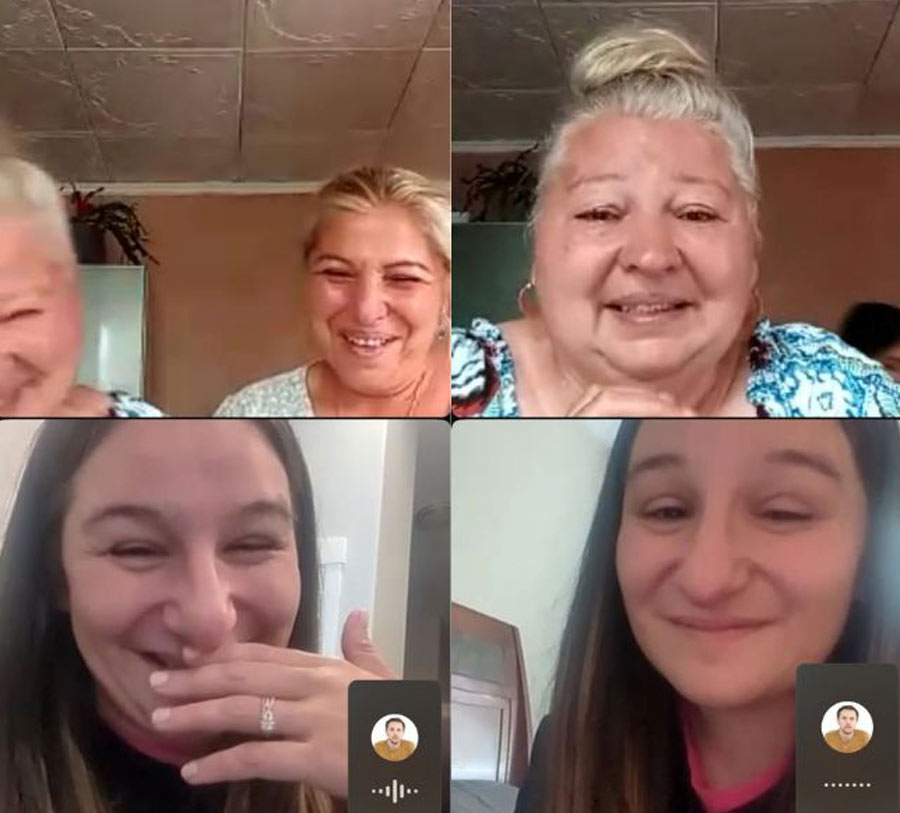
“They are all doing good. They all live over there,” Christensen says. “They’ve all been looking for me.”
According to Christensen, her adoptive family and biological family have shared their admiration for each other in how Christensen was raised, with her Moldovan family expressing their gratitude for giving Christensen a good life.
“They’re so grateful for my family who raised me. Mira told my mom, ‘I’m so grateful for her keeping McKenna alive, keeping her healthy, giving her an education,'” Christensen says. “There are no ill feelings completely around the table. Everyone is so grateful. My parents have been so supportive of the entire process; they think it’s so cool.”
Christensen says she feels like she has the best of both worlds.
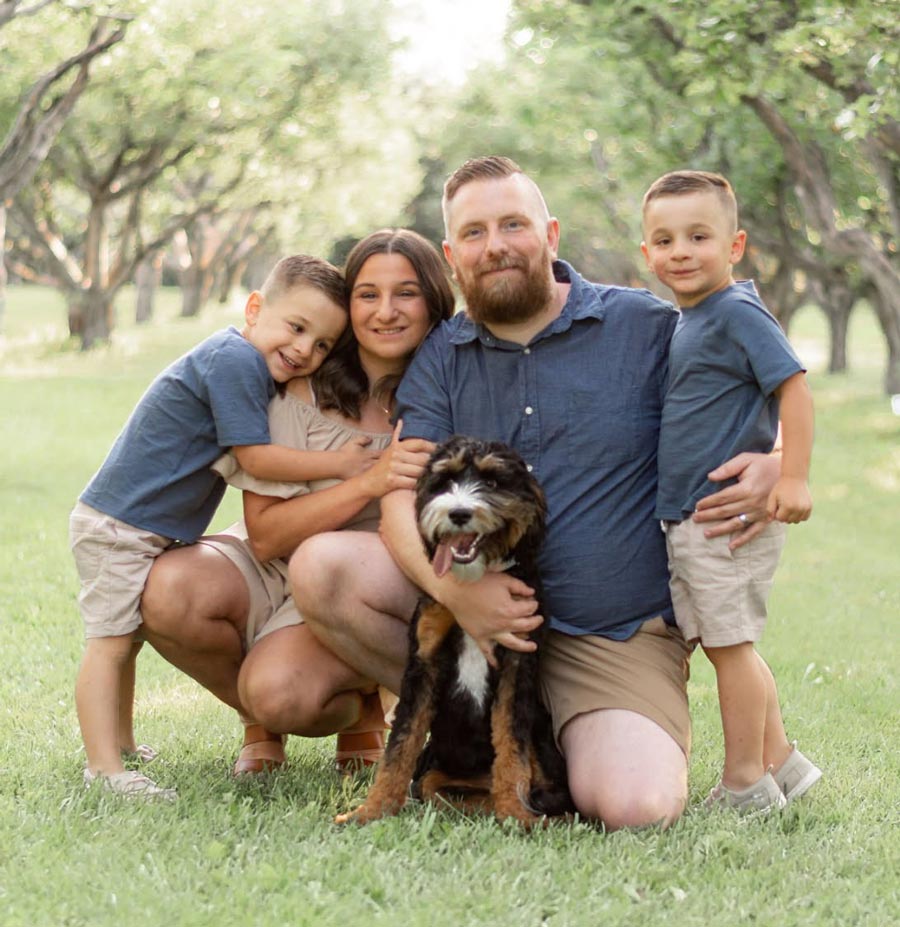
“If I had stayed with my birth family, I wouldn’t have had an education, I wouldn’t have had the opportunity to have the husband and kids that I have, the parents over here that I have, the brothers I have,” Christensen says. “I’ve had so much opportunity here in the U.S., but also I feel like a whole person knowing where I come from and where my genetics are sitting and who those genetics are shared with.”
Christensen is planning a trip to Moldova in April to meet her family in person, and says she hopes her story can lead to other happy endings for adoptive children seeking their biological families.
“I think there are a lot of kids over there that were adopted unlawfully, and they are kind of floating around with this idea that their parents didn’t want them or that they couldn’t afford them,” Christensen says. “And maybe some of that’s true, but the more that I’m a part of this Facebook group as well, I’m finding a lot more parents did not have intentions of adopting off their children.”
Christensen now advocates for lost adopted children, encouraging people to donate to nonprofits that are trying to find these missing children.
“If anybody is looking for just like a good cause to donate to, I really can’t think of another group or cause that is more important than reuniting families,” Christensen says. “It is so important for people to know where their roots come from.”