



Idahoan dies of rabies, then transmits it in donated-kidney transplant
Published at | Updated at
Angela Palermo, Idaho Statesman
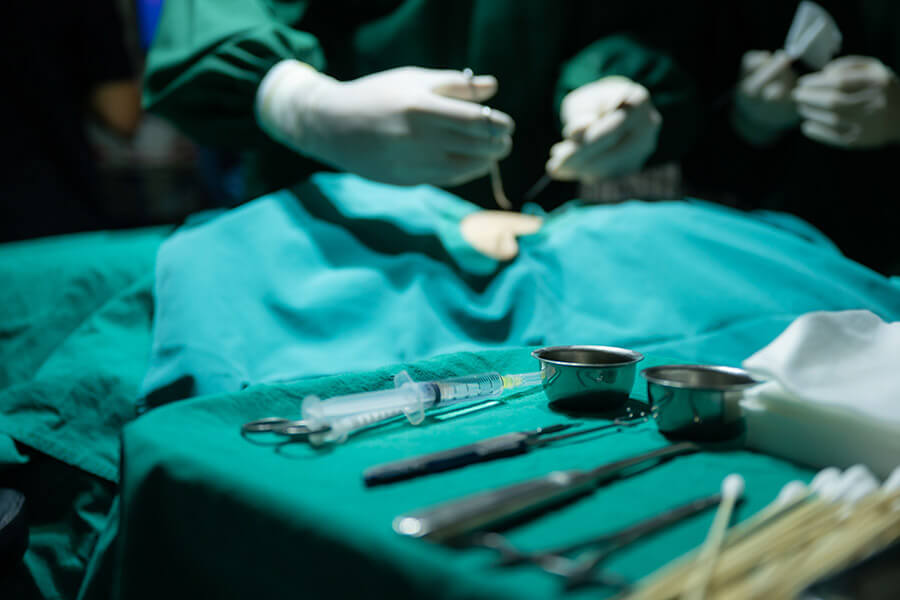
BOISE (Idaho Statesman) — An Idaho man who died of rabies passed the virus to another man through a kidney transplant, marking the fourth known instance in the country in nearly half a century where rabies was transmitted from an organ donor to a recipient.
The Centers for Disease Control and Prevention reported Thursday, Dec. 4, that the Idaho man was in an outbuilding on his rural property in October 2024 when he was approached by a skunk behaving aggressively. He figured it was because he was holding a kitten, according to the report, which does not identify the man or where he resided.
He fought off the skunk, rendering it unconscious, and walked away with a scratch on his shin that bled. But he didn’t think he’d been bitten, the report said.
Weeks later, the man started experiencing hallucinations. He also had a stiff neck, confusion and difficulty swallowing and walking. Two days after his symptoms appeared, he was found unresponsive at home. He was resuscitated and taken to a hospital, but he never regained consciousness.
After five days in a hospital, he was declared brain dead and removed from life support. His left kidney, heart, lungs and both corneas were recovered for donation.
His kidney went to a man from Michigan, who received the transplant at a hospital in Ohio. Five weeks later, the man started experiencing tremors, confusion, urinary incontinence and weakness in his legs. He was hospitalized with fever, difficulty swallowing and an extreme fear of water. Clinicians suspected he had rabies, and several samples were sent to the CDC for testing.
After a week at the hospital, the Michigan man died. Local public health officials interviewed his family, who reported that he had not been exposed at any animals. But the testing showed evidence of rabies in his saliva, skin and brain tissue.
That’s when the CDC, the Idaho Department of Health and Welfare and an Idaho public health district began investigating the donor as the source. Health officials tested the Idaho man’s right kidney, which had not been donated, and detected a rabies variant linked to silver-haired bats.
Meanwhile, three other patients, one each from Idaho, California and New Mexico, received ocular grafts prepared from the Idaho man’s recovered corneas.
As officials investigated the donor’s rabies status, the cornea recipients had their grafts removed as a precaution and received post-exposure prophylaxis, a medication taken after potential exposure to rabies to prevent infection. Rabies is almost always fatal without that medication, the report said.
The cornea recipients remained asymptomatic. Another corneal graft transplant planned for a Missouri patient was canceled. Later, the CDC detected rabies in one of the previously implanted grafts.
Rabies is excluded from routine donor pathogen testing in the U.S. because of its rarity in humans and the complexity of diagnostic testing, according to the report. In this case, hospital staff who treated the Idaho man were initially unaware of the skunk scratch and attributed his symptoms to chronic comorbidities. After rabies was suspected in the Michigan man, a biopsy that had previously been collected from the donor on his third day at the hospital was revisited.
A spokesperson for the Idaho Department of Health and Welfare did not immediately respond to a request for details about the Idaho man, including where he lived in the state.
State Epidemiologist Dr. Christine Hahn co-authored the CDC report.
RELATED | Man bitten by rabid raccoon after putting injured animal in his coat during rescue attempt