



Beyond the bloom: Using color and texture for dynamic color design
Published at
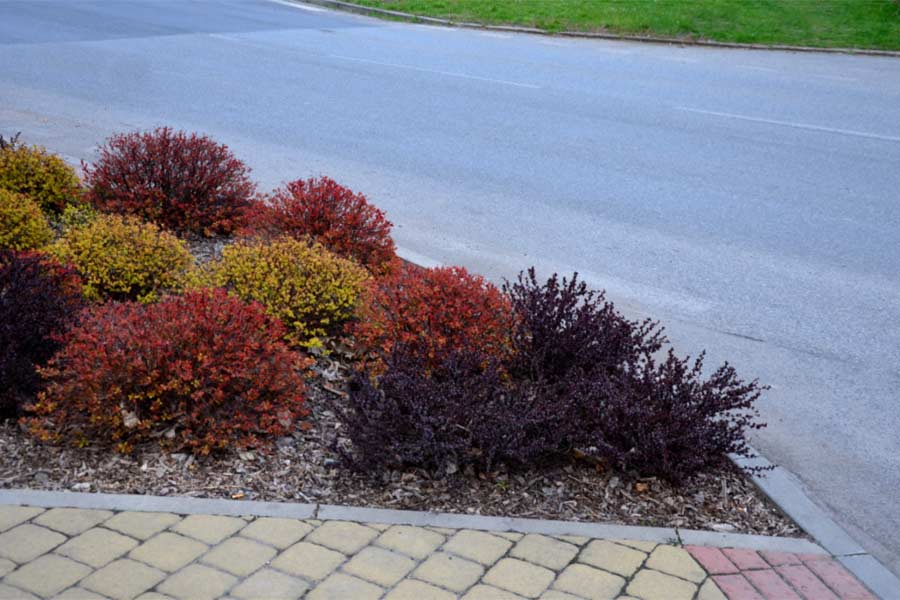
Many home landscapes burst with color in early summer, only to fade into a flat, uninspiring green by midseason or become visually empty once flowers disappear. This often happens because gardeners rely too heavily on short-lived blooms for visual appeal. In regions with long winters and short growing seasons, this approach leaves landscapes without structure or interest for much of the year.
A more effective and sustainable approach to garden design looks beyond flowers and focuses on permanent color and texture. Plants selected for foliage color, bark, needles, and overall form provide visual interest long after blooms have faded. When these elements are used intentionally, the garden remains attractive from early spring through fall and continues to offer structure and interest during winter.
Permanent color is one of the most underused design tools in home landscapes. Shrubs and perennials with colorful foliage provide consistent visual appeal throughout the growing season. Plants such as ‘Goldflame’ spirea offer bright gold to orange foliage that stands out in the landscape and performs well in areas prone to iron chlorosis. Variegated shrubs brighten shaded areas and add visual complexity, while purple sandcherry provides rich, deep foliage color that contrasts effectively with lighter green plants. Evergreens such as dwarf blue spruce anchor the landscape with year-round color and form, and shrubs like red-twig dogwood extend visual interest into winter with bright, colorful stems that stand out against snow and dormant backgrounds.
While color attracts attention, texture creates depth and drama. Texture refers to the size, shape, and arrangement of leaves and stems, as well as the overall form of the plant. Landscapes that rely on a single texture often appear flat or monotonous, even when color is present. Pairing fine-textured plants with coarse-textured plants creates contrast and visual movement. Delicate grasses and plants with finely divided foliage, such as fern-leaf peony, soften the landscape and respond beautifully to wind and light. These fine textures become more striking when placed next to bold, coarse-textured plants such as hostas, rhubarb, or large stone mulch, which provide weight and structure.
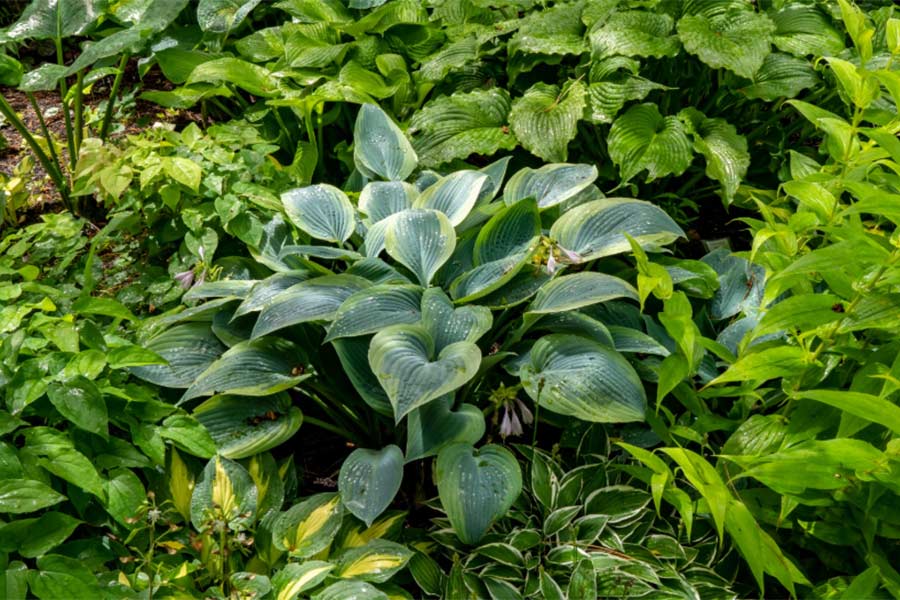
Designing with color and texture in mind is especially important in cold-climate regions, where gardens spend more time without flowers than with them. By emphasizing foliage, bark, form, and texture, gardeners can create landscapes that remain visually appealing throughout the long off-season. This approach reduces reliance on constant replanting, lowers maintenance demands, and results in a garden that looks intentional and professionally designed throughout the year.
Rather than asking what is blooming at any given moment, gardeners are encouraged to consider how their landscape looks when nothing is in bloom. By looking beyond the flower and embracing permanent color and contrasting textures, home gardeners can build dynamic, resilient landscapes that provide beauty and interest in every season.