



Jury weighs damages after tarot card TikToker falsely accused professor of the Moscow murders
Published at | Updated at
Riley Shoemaker, KIVI
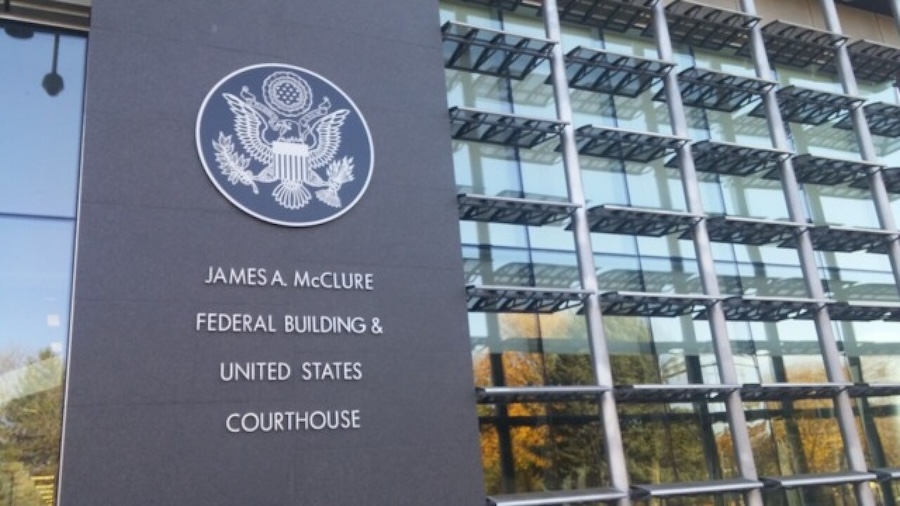
BOISE (KIVI) — False accusations posted on TikTok after the University of Idaho student murders are now at the center of a federal trial, where jurors are weighing how much damage those claims caused to a university professor.
A jury is hearing testimony in the defamation lawsuit brought by University of Idaho professor Rebecca Scofield against TikTok creator Ashley Guillard, who posted dozens of videos in the weeks after four students were killed in November 2022.
RELATED | U of I professor sues TikTok sleuth who has accused her in killing of four students
In the videos, Guillard falsely accused Scofield of involvement in the killings and alleged the professor had an inappropriate relationship with a student, according to court records.
The claims spread widely online and drew millions of views.
WATCH: Federal jury considers damages in TikTok defamation trial tied to UI murders
Scofield’s attorneys sent cease-and-desist letters warning Guillard that the accusations were false and harmful, but the videos continued, court records say.
Authorities later arrested Bryan Kohberger in the student murders case, and law enforcement publicly stated Scofield was not involved.
A federal judge has already ruled that Guillard’s statements were defamatory. The remaining question for jurors is damages – whether Scofield proved she suffered harm and, if so, what compensation is warranted.
On the second day of testimony, jurors heard testimony about how viral online accusations can affect hiring decisions, professional reputation and long-term earning potential, even after allegations are shown to be untrue.
A university dean who worked closely with Scofield for nearly a decade testified that the videos did not lead to formal discipline, but said the optics could create professional consequences later.
Guillard is representing herself at trial. Cameras are not allowed in the courtroom.
“Nobody has the right to make false statements that damage another person. The First Amendment doesn’t run that far,” former Idaho Attorney General David Leroy said in an interview about the case.
Leroy said jurors will consider whether any damages were emotional, professional or financial – and whether they rise to monetary compensation.
Final witnesses are expected to be called on Thursday. Closing arguments could come as early as Thursday or Friday morning, before the case is fully submitted to the jury.
RELATED | A TikTok personality countersued U of I professor after killings. Here’s what judge said