New app aims to help eastern Idaho farmers track water as drought tightens grip
Published at | Updated at
IDAHO FALLS – It’s the second dry year in a row for farmers in eastern Idaho, which means groundwater pumping is starting earlier than normal at a time when water is already in short supply.
Surface water users are in the same boat. The canal and reservoir systems are low, according to McKay Anderson, a crop advisor with Valley Ag in Rexburg. Water usage is likely to be higher this year, and he says the lack of snowpack this winter means farmers won’t have all the water they need.
In recent years, the Idaho Dept. of Water Resources has threatened to shut pumps off for those who have exceeded their water allotment. A 2024 mitigation agreement provides a safe harbor and protects wells from being shut off. It also requires groundwater users to keep track of their water use and report monthly meter readings to their local groundwater district.
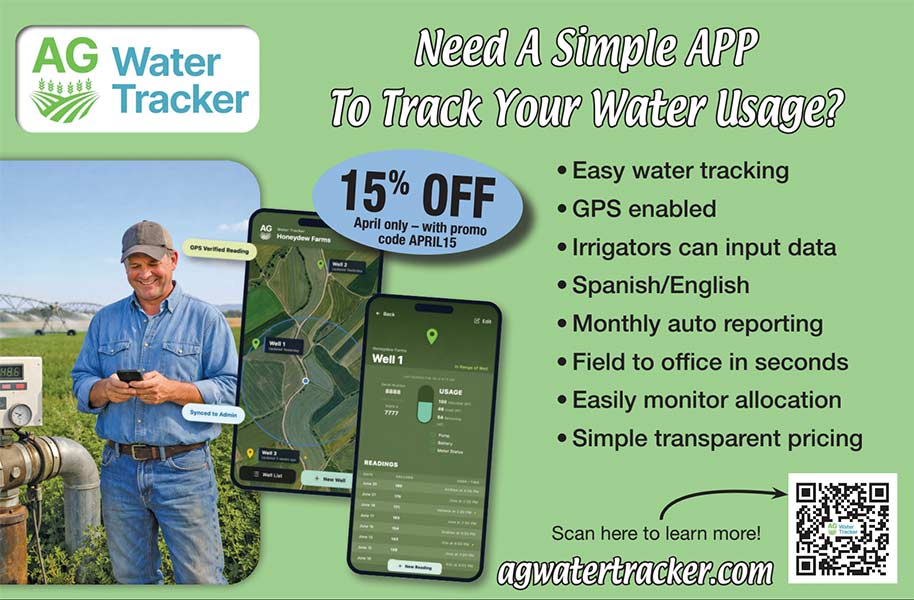
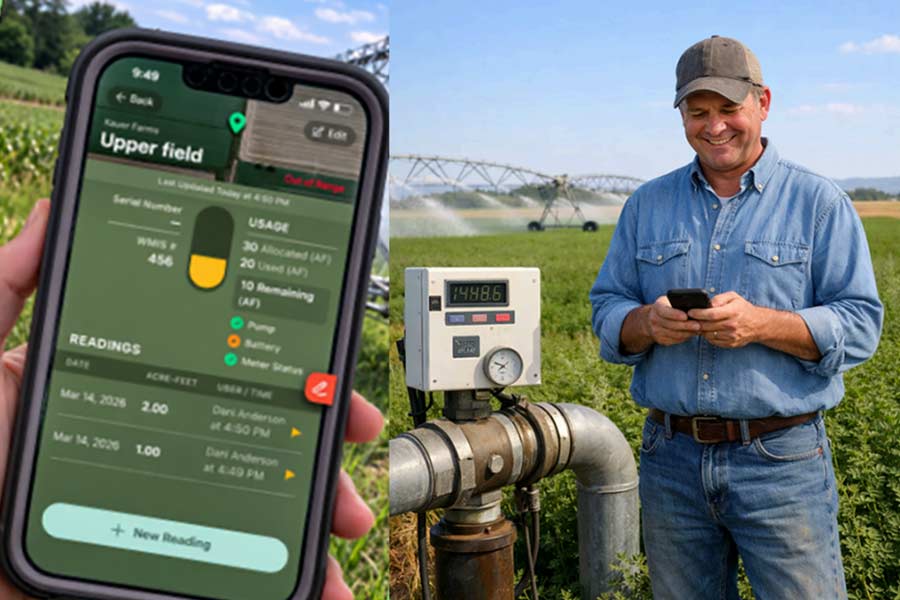
Anderson aims to help with that. He launched the Ag Water Tracker web app about two weeks ago and explains how it works to EastIdahoNews.com.
“The grower can go to their meter and input their meter readings,” Anderson says. “Not every farmer is going to their well every day, but they have people who are. The app allows multiple users to sync to a single account. Once a month, it will automatically send those readings to their water district through email.”
Farmers can also enter their well allocation and track usage in real time to ensure they stay within that allotment.
Anderson says the app is something he started developing last year. He sells chemicals and fertilizers to growers throughout the area and understands the plight and strain they’re under to grow and harvest crops in a season of drought.
While he can’t change the circumstances, he says he wanted to do something to make their lives a little easier.
“I’m trying to help my growers any way I can,” says Anderson. “They’re my friends, and I saw a need and thought, Let’s try and help these guys out.”
After a hot, dry summer last year, Anderson says many farmers exceeded their allocation or came close to it. Many feel nervous at the idea of facing similar circumstances again in 2026.
The 2024 mitigation plan was created in four-year increments to compensate for drought years and avoid yearly water disputes. The plan will be renegotiated in 2027 at the end of the four-year term.
The 2026 irrigation season kicks off the third year of the plan. Anderson says that if farmers exceed their allotment this summer, there will be no water next summer, leaving farmers in a difficult situation.
RELATED | Idaho braces for hot, dry stretch as fire risk, water woes grow
Last month, Adam Young, a board member with the Bingham Groundwater District who farms about 2,600 acres outside Blackfoot, said he’s had to cut back on planting this season. He’s eliminated about 100 acres of land to conserve water and set aside another 22 acres for the U.S. Department of Agriculture’s Conservation Reserve Enhancement Program (CREP).
CREP, according to its website, encourages farmers and landowners to enroll in a long-term conservation contract to remove environmentally sensitive land from agricultural production and implement conservation practices. In exchange, participants receive annual rental payments, cost-share assistance, and other financial incentives.
Anderson says other farmers throughout eastern Idaho have had to make similar adjustments to stay afloat.
“The effects carry over into the fertilizer industry. Farmers who plant fewer crops use less fertilizer, which means we sell less and take home less money. It’s a ripple effect,” he says.
Under Idaho law, surface water users have senior water rights, and groundwater users are required to have a plan to recharge the Eastern Snake Plain Aquifer during times of shortage. The water shortage means there are no opportunities for recharging the aquifer, which Young said adds another layer of pressure to the situation.
If it gets to the point where farmers have to defend their right to water, Anderson says it’s helpful to have some tracking data, which the app can provide.
While Anderson says he is actively trying to educate farmers about the app, he also acknowledges it’s not the best time to be selling something new to them, as other challenges beyond the water issue are stretching finances thin.
“Crop prices are not good. Farming, right now, is not a good situation. A lot of times it just doesn’t pencil — they’re losing money,” says Anderson.
Still, Anderson says the app is a helpful resource, and he’s offering it as a tool to farmers who want to use it.
To sign up or learn more, visit the website.