Leafy spurge: How to gain control over this aggressive, invasive weed
Published at | Updated at
REXBURG — Though I would rather write about flowers and trees, sometimes a weed really needs to be brought to your attention.
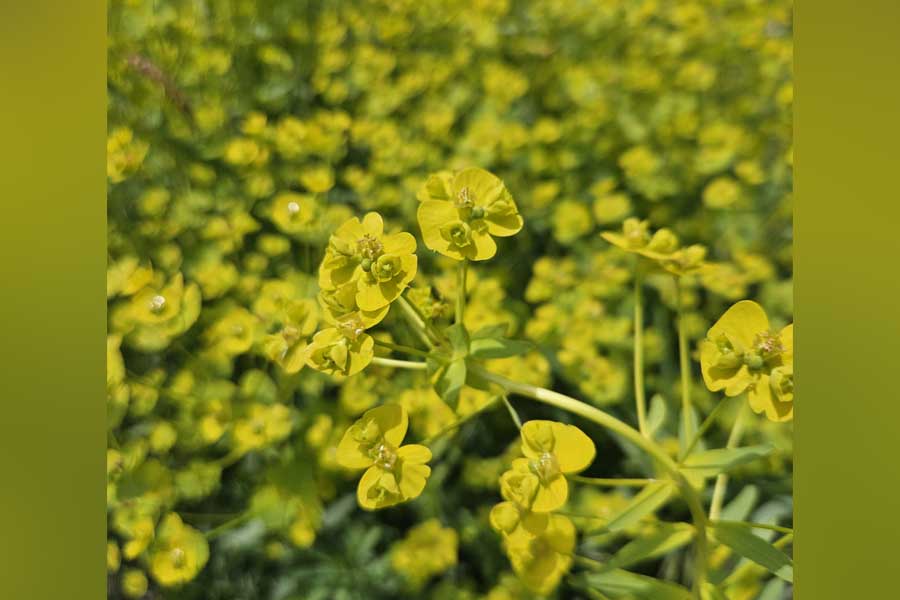
Leafy spurge, or Euphorbia esula, is one of east Idaho’s most aggressive invaders, and it’s in bloom right now. That means now is a critical time to prevent seed production.
The University of Idaho Extension has created a management guide specifically tailored to help rural residents and ranchers protect their properties from this highly destructive noxious weed.
A persistent threat to rangelands and fields
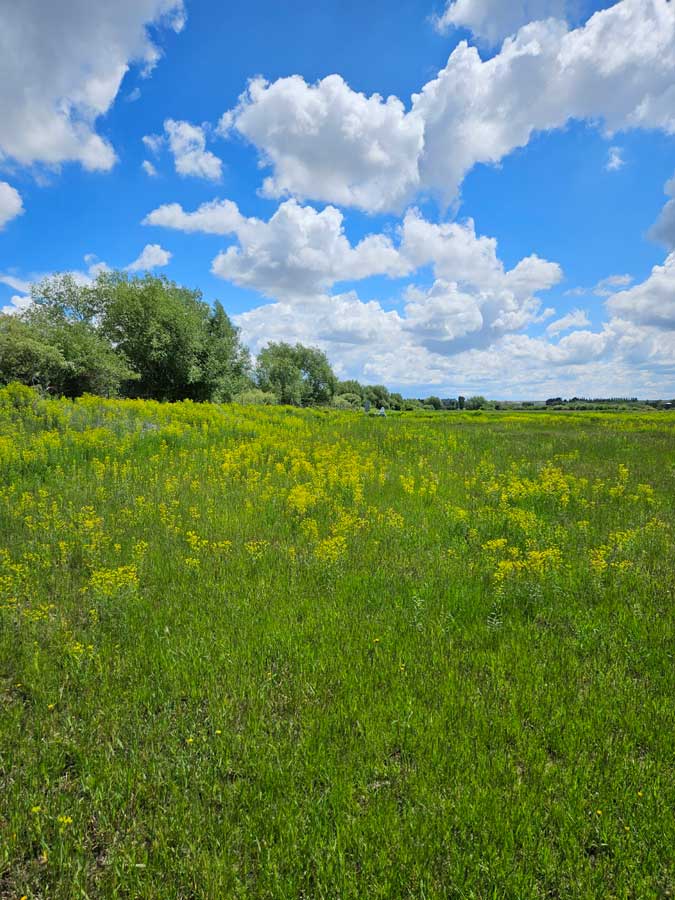
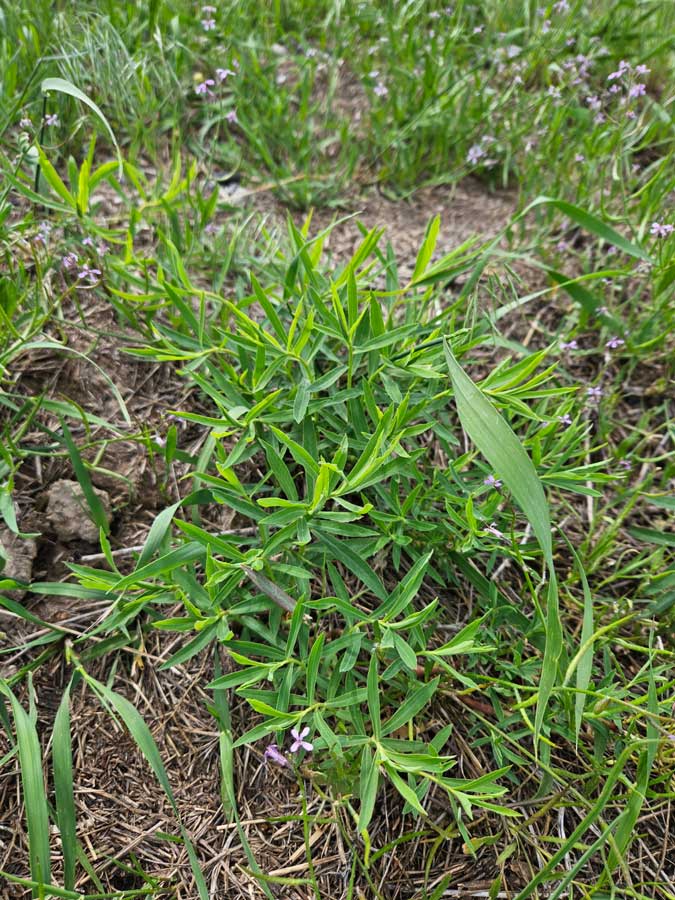
Commonly found thriving along east Idaho’s waterways, pastures and roadsides, leafy spurge is easily recognized by its long, narrow leaves and distinctive greenish-yellow, heart-shaped flower bracts that blanket infested fields by late June.
While it might look harmless, the weed poses a severe threat to local agriculture. Leafy spurge quickly outcompetes native plants to form dense monocultures, slashing the livestock grazing capacity of a pasture by 50% to 75%.
Furthermore, the plant’s milky white sap contains toxins that cause painful skin and eye irritation for humans, as well as severe digestive issues for horses and cattle.
Eradicating the weed entirely across large landscapes is highly unlikely. However, reclaiming individual fields and rights-of-way is entirely possible with a sustained commitment of four to five years.
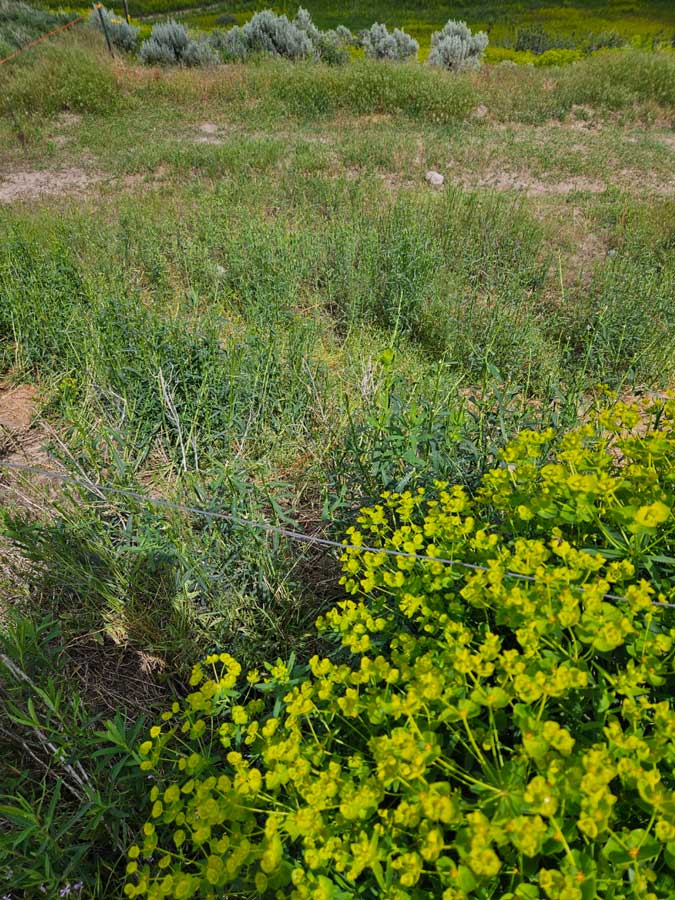
Goat-grazed leafy spurge on the left just before and at flowering, ungrazed on the right. | Jared Gibbons, UI Extension
How to fight back: An integrated approach
Because leafy spurge boasts a massive root system that can plunge 15 feet into the ground — storing deep nutrient reserves that allow it to aggressively bounce back — a single control method simply won’t work.
Local land managers are advised to use a combination of tactics:
- Cultural control (targeted grazing): While cattle avoid it, sheep and goats are naturally resistant to the plant’s toxins. Introducing goats to an infested area weakens the weed and opens the door for other treatments.
- Biological control: Landowners can deploy natural insect enemies, known as biocontrol agents. Specific flea beetles (Aphthona spp.) are readily available in Idaho; adults eat the leaves while their larvae attack the root systems.
- Mechanical tactics: Mowing or cultivating during the early bud-to-flowering stage helps sap the plant’s energy reserves and stops it from explosively shooting its seeds up to 20 feet away.
- Chemical control: Carefully timed herbicide applications can be highly effective. While spring applications rarely work, treating the weed when it is in full flower prevents new seed production. A second application right after the first fall frost yields the best results, as the plant pulls the nutrients deep into its root system.
Landowners are strictly reminded to always read and follow pesticide labels, as label instructions override all other recommendations.
For localized assistance in choosing the right biological insects or in selecting a herbicide rotation for your specific soil type, contact your local county weed department or a University of Idaho Extension office.