



Common watering challenges gardeners face – and how to manage them
Published at
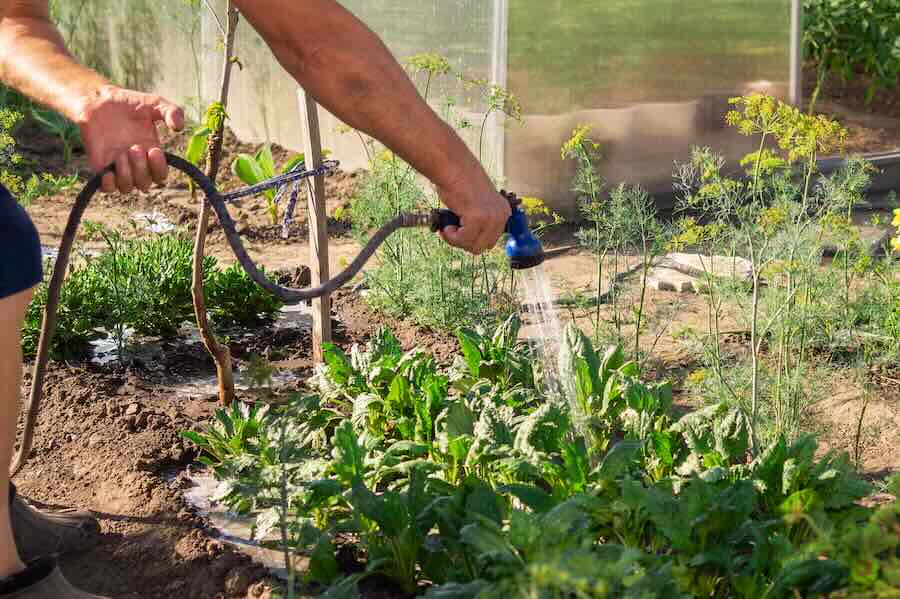
AMERICAN FALLS — You prepared your garden area, grew your own seedlings and finally planted them outdoors.
With summer coming in full swing, temperatures begin to climb, and suddenly, your plants appear wilted by the afternoon. Many gardeners respond by watering more often, but this can sometimes create even bigger problems.
Watering is one of the most important factors in maintaining healthy plants. Too little water can stress plants and reduce yields, while too much water can limit root growth, increase disease problems and waste water. Understanding how plants use water can help gardeners avoid some of the most common watering challenges.
What happens underground after you water?
When water is applied to the soil, it moves into the soil pores where some of it becomes available for plant roots to absorb.
Not all water held in the soil is available to plants. If there is not enough plant-available water, plants struggle even when the soil appears moist.
Some of that water also moves downward through the soil profile due to gravity. The amount of water at any given time will determine how much and how rapidly it will travel through the soil profile.
The amount of water a soil can hold depends on its main texture — sand, silt or clay — and organic matter content.
- Sandy soils have larger pore spaces and drain quickly.
- Clay soils hold water longer but drain more slowly, which can sometimes lead to standing water.
- Silt loam soils, which are common throughout much of east Idaho, often provide a balance between drainage and water-holding capacity. Organic matter acts like a sponge and helps soil retain moisture while breaking up the soil and allowing air to reach the plant roots.
Plants need healthy roots
Healthy roots allow plants to access water stored deeply in the soil.
Plant roots need oxygen to function properly, and if the soil becomes waterlogged, oxygen is no longer readily available. The roots will naturally follow the moisture, so frequent watering near the soil surface encourages the roots to remain shallow.
Shallow roots have less soil volume to draw from and can dry out quickly during hot weather. Deep-rooted plants are more resilient during summer heat. One of the most common situations gardeners face is watering too often but not deeply enough.
Challenge No. 1: Frequent, shallow watering
Watering for a few minutes each day only allows the top inch or two of soil to become wet and may not even saturate the entire soil area. Plants will wilt quickly as temperatures rise.
Shallow watering encourages roots to remain near the surface when it would be better for them to travel deeper. The plants will become dependent on the frequent irrigations because the amount of water available at the surface is limited.
Managing challenge No. 1
Water thoroughly so soil moisture penetrates 6-12 inches into the soil. Check this by using a shovel or hand trowel, making sure the soil is wet along the entire length of the blade. Focus on watering deeper rather than watering shallowly.
Challenge No. 2: Watering on a schedule instead of checking the soil
Many gardeners have a watering schedule set for specific days each week, whether the garden needs it or not.
A plant’s water use changes with temperature, wind, and plant size. For example, a tomato plant in June uses far less water than the same plant in August.
Managing challenge No. 2
Adjusting the watering schedule based on temperature and wind can help reduce water use while also prompting better root growth and making the plants more resilient during the drier conditions.
Challenge No.3: Watering too much at once
More water is not always better. If a large amount of water is applied at one time, it can push nutrients and water below the root zone, making them unavailable to the plants.
Watering at a slower rate that allows the water to absorb into the soil profile rather than pool on the surface also allows the moisture to spread in all directions. This prevents the water from being pulled down with the large amount due to gravity.
Managing challenge No. 3
Apply enough water to wet the root zone, but not so much that it runs off or ponds excessively. If more water needs to be applied, the water session can be divided into sessions that will allow the water to get as deep as it needs without causing run off.
Challenge No. 4: Overhead watering (watering the plant instead of the soil)
People often focus on getting the leaves wet rather than watering where the roots are located. The type of irrigation can limit how much you can regulate the amount of water on the foliage. Leaves can absorb small amounts of water, but not enough to focus water on them. Wet foliage encourages certain leaf and stem diseases that can injure plants.
Managing challenge No. 4
Focus on supplying water at the base of the plant. This reduces the amount of time foliage remains wet and places water directly where it is needed most, the root zone.
Drip irrigation, soaker hose, and careful hand watering are all effective ways to deliver water to the soil while minimizing disease concerns. If overhead irrigation is used, water early in the morning so leaves have time to dry throughout the day.
Challenge No. 5: Forgetting about mulch and wind
Many gardeners focus entirely on irrigation but ignore evaporation from wind or from uncovered ground. Bare soil loses moisture rapidly, and soil temperature can change rapidly throughout the day.
East Idaho farmers are especially familiar with windy conditions, which can dramatically increase water loss from both the soil and the plant. Wind increases transpiration from plants and evaporation from the soil surface, increasing the overall water demand.
Managing challenge No. 5
Apply 2 to 4 inches of organic mulch around garden plants. You can use materials like straw, shredded leaves, grass clippings, or compost to help reduce evaporation, moderate soil temperatures, and suppress weeds that compete with plants for water.
Mulch acts like a protective blanket over the soil, helping retain moisture for plant roots for a longer period.
In conclusion
Successful watering starts with understanding what is happening below the soil surface. While many gardeners focus on how often they water, the real goal is to develop healthy roots and maintain consistent soil moisture throughout the root zone.
By checking soil moisture, watering deeply and less frequently, avoiding excessive irrigation and using mulch to help conserve the moisture, gardeners can grow healthier plants while making the most of every drop of water.