



Enjoying the fall at Camas Wildlife Refuge
Published at | Updated at

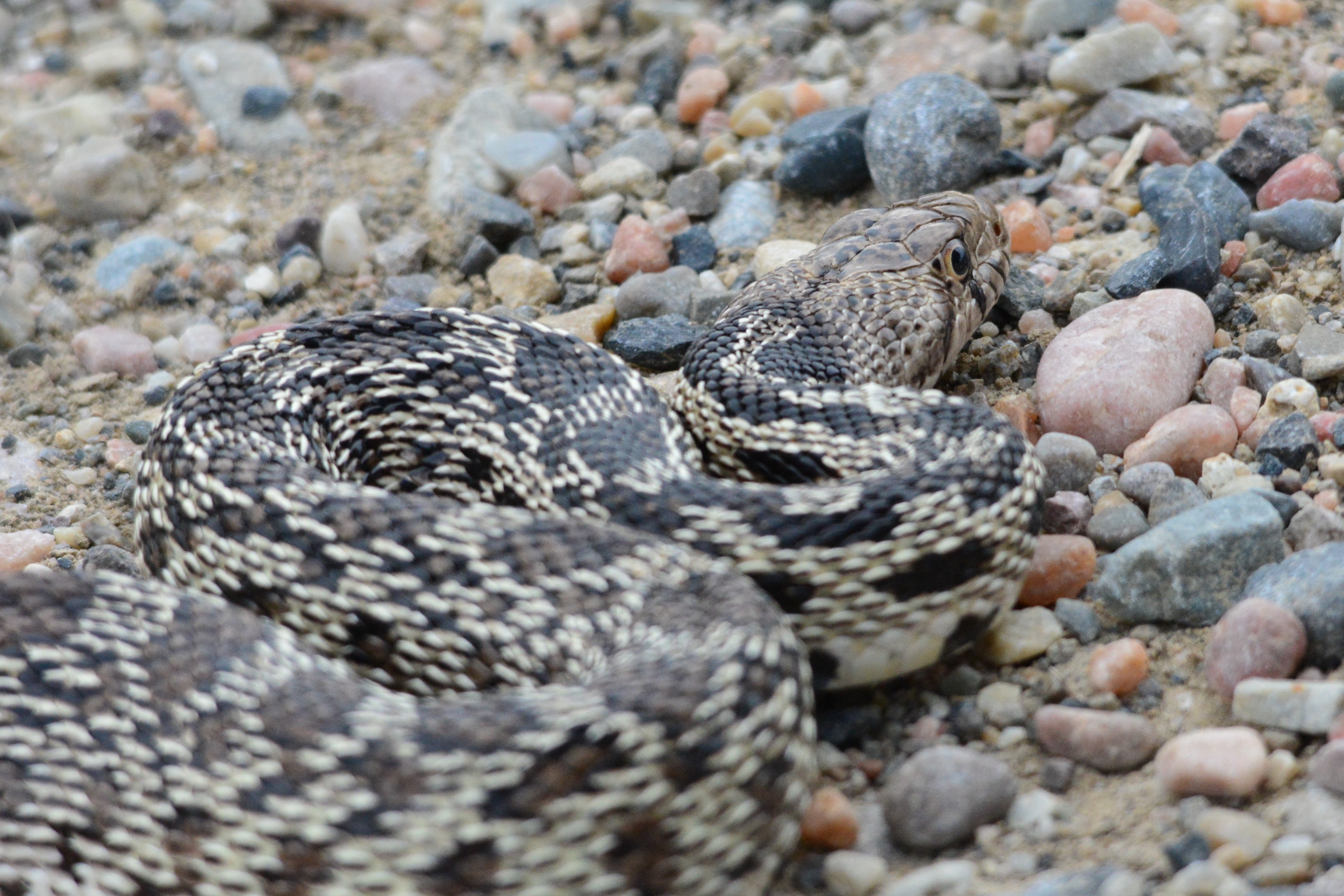 A three-foot Gopher snake slithered slowly across the road as I was hiking along a closed road on Camas National Wildlife Refuge – not odd for summer, but it was October 29, two days before Halloween. Very odd indeed, but then a lot of odd things happen when ghosts and goblins are out and about.
Autumn is usually too short for me, but for us fall-lovers, we have enjoyed the extra time this season. Elk are done bugling, White-tailed deer are getting ready for their rut, most songbirds have headed south and the Tundra and Trumpeter swans are visiting Camas on their way south. With rain in the Rexburg area, Camas can be totally different and I went to check on elk, deer, swans and anything odd. The snake was odd with the elk, deer and swans predictable.
The water had been shut down that feeds the ponds on Camas, but Big Pond still had a little water and the Sandhole Lake holds water year around. The open water made enough space for the traveling Tundra and Trumpeter swans for rest and feed. They have been joined by Sandhill cranes, Canada geese and thousands of ducks. 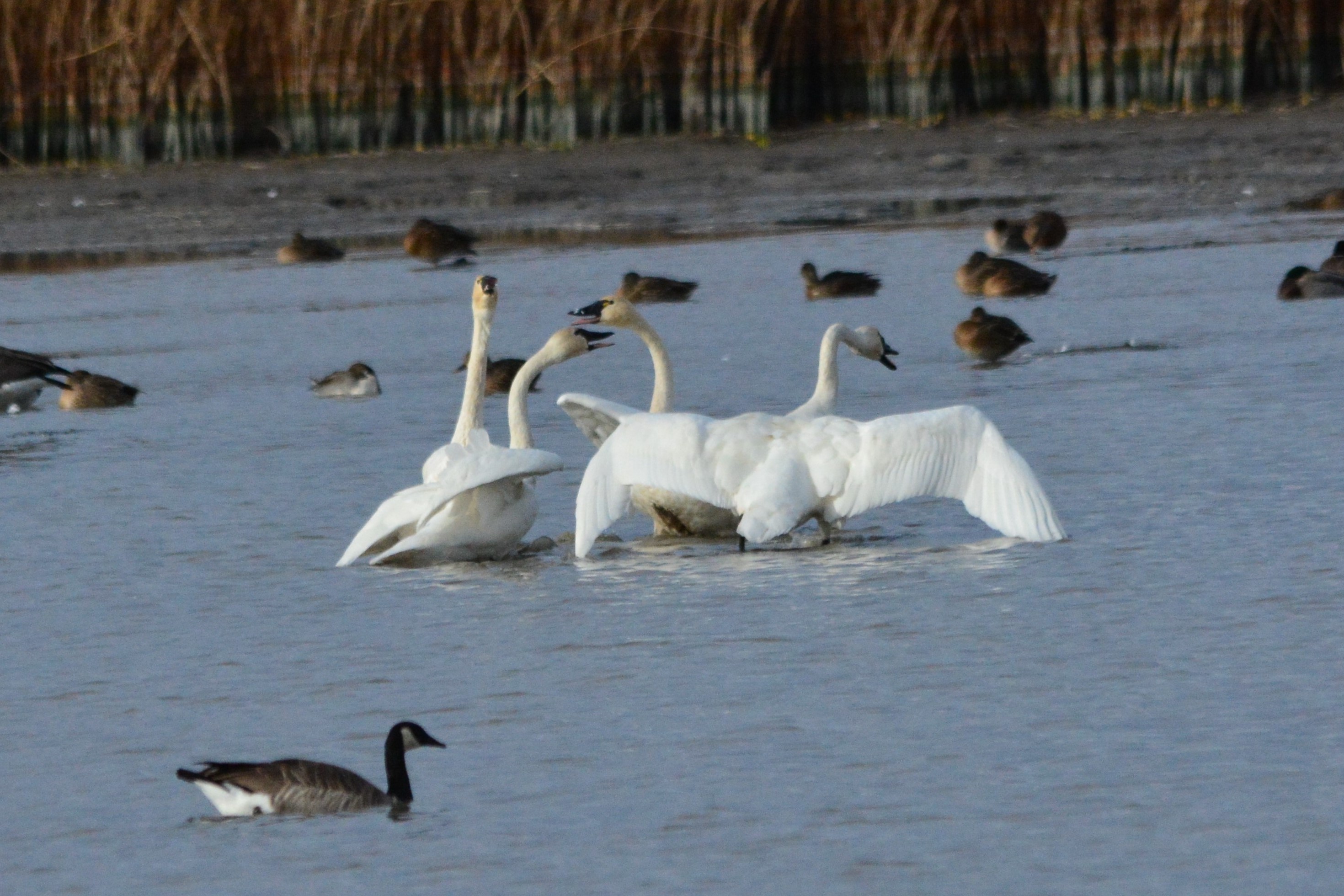 Even a lonely Black-necked stilt was feeding in the shallow water at Big Pond.
My favorite activity at Camas in the late fall and early winter is to walk the roads closed to unauthorized motor vehicles. Hiking these roads to the rarely visited corners are always exciting.
The elk have separated into a herd of cows, calves and small bulls while the bachelor herd has the mature bulls resting after their fall-work is done. 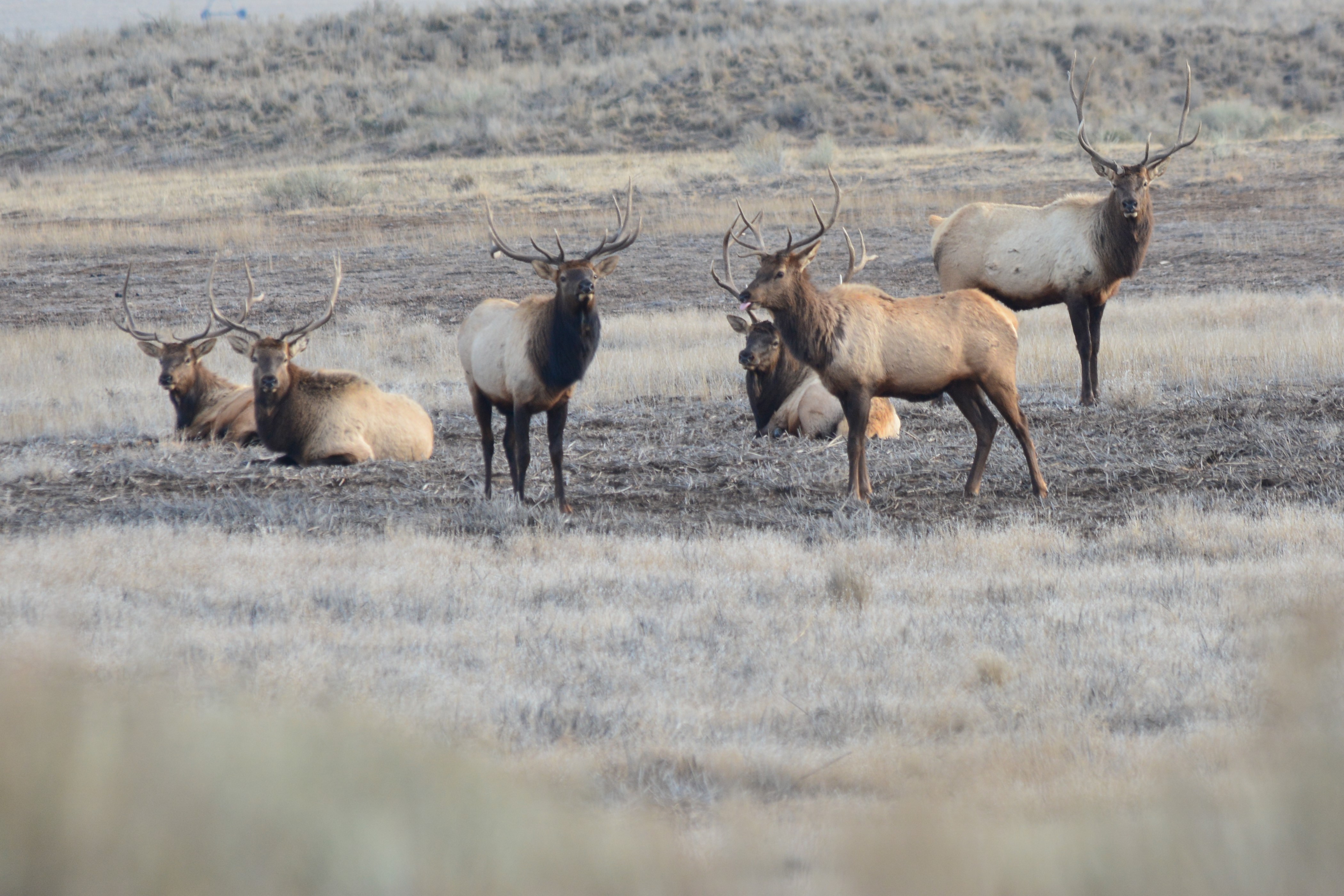 The young bulls are practicing for next season by sparring with each other. Crawling through an old irrigation ditch with a few sagebrush on the edge and prickly-pear cactus getting my attention is worth getting close to watch the bulls.
While watching the bulls, a white Snowshoe hare came by as did a jack rabbit flushed by a hunting coyote. Northern harriers trolled the marsh grass looking for a hapless rodent or bird.
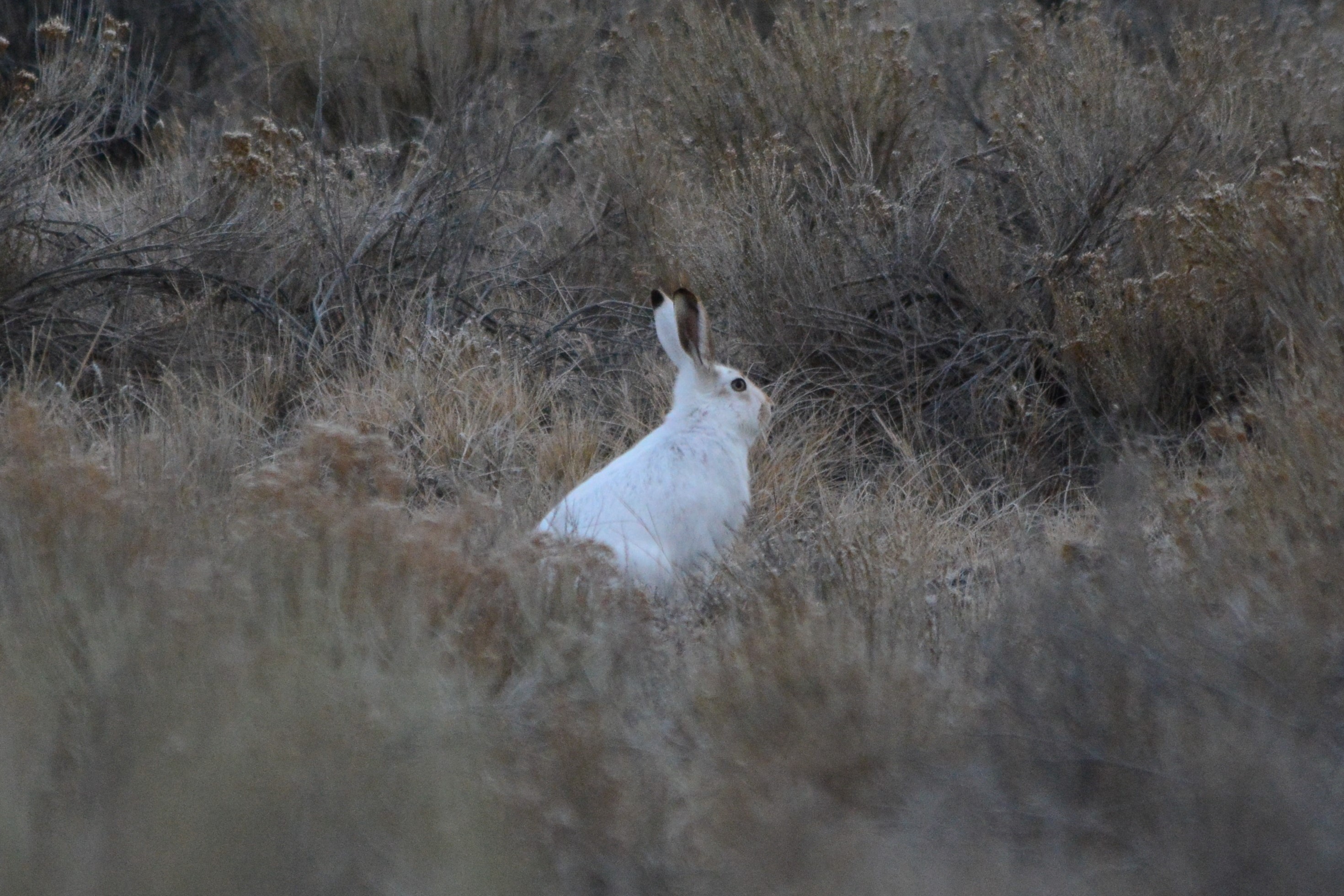
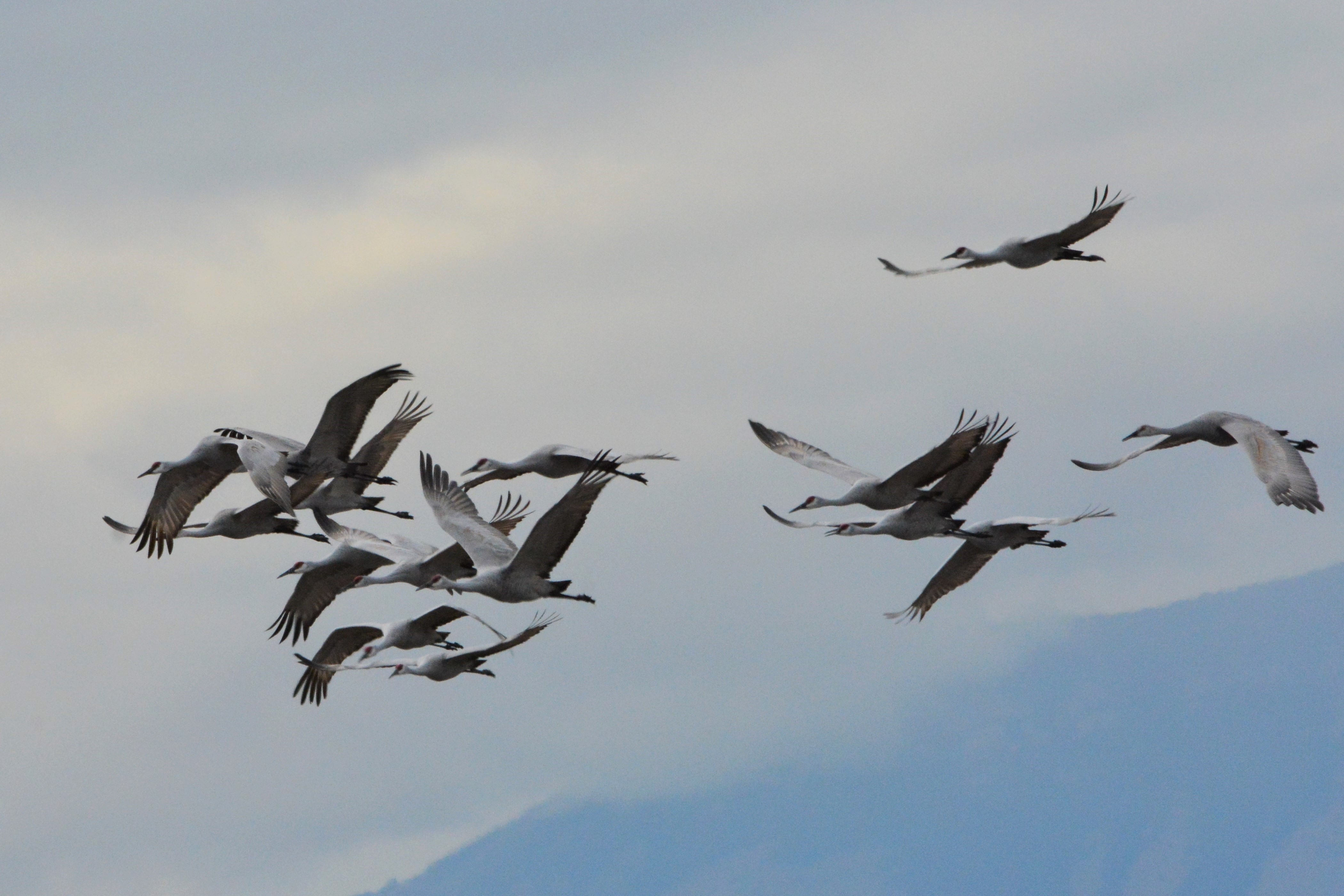
Heading back to the truck I decided to go cross-country through the tall sage, willows around water and over sandy ridges. The Sandhole Lake was covered with swans, geese and ducks with Sandhill cranes flying from the water’s edge to stubble fields near the refuge.
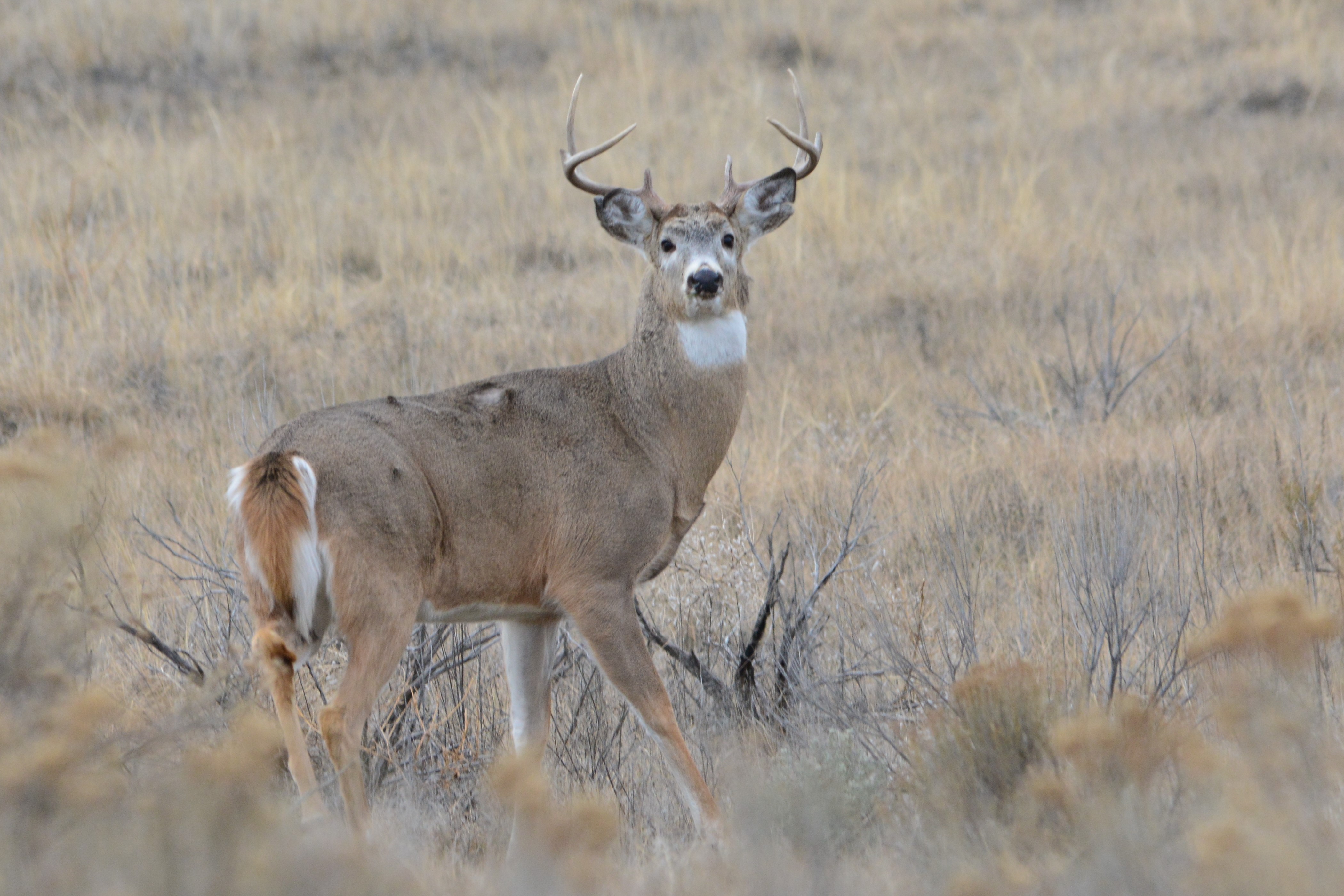
With the breeze blowing in my face, I topped a ridge and twenty yards away was a White-tail buck having lunch.
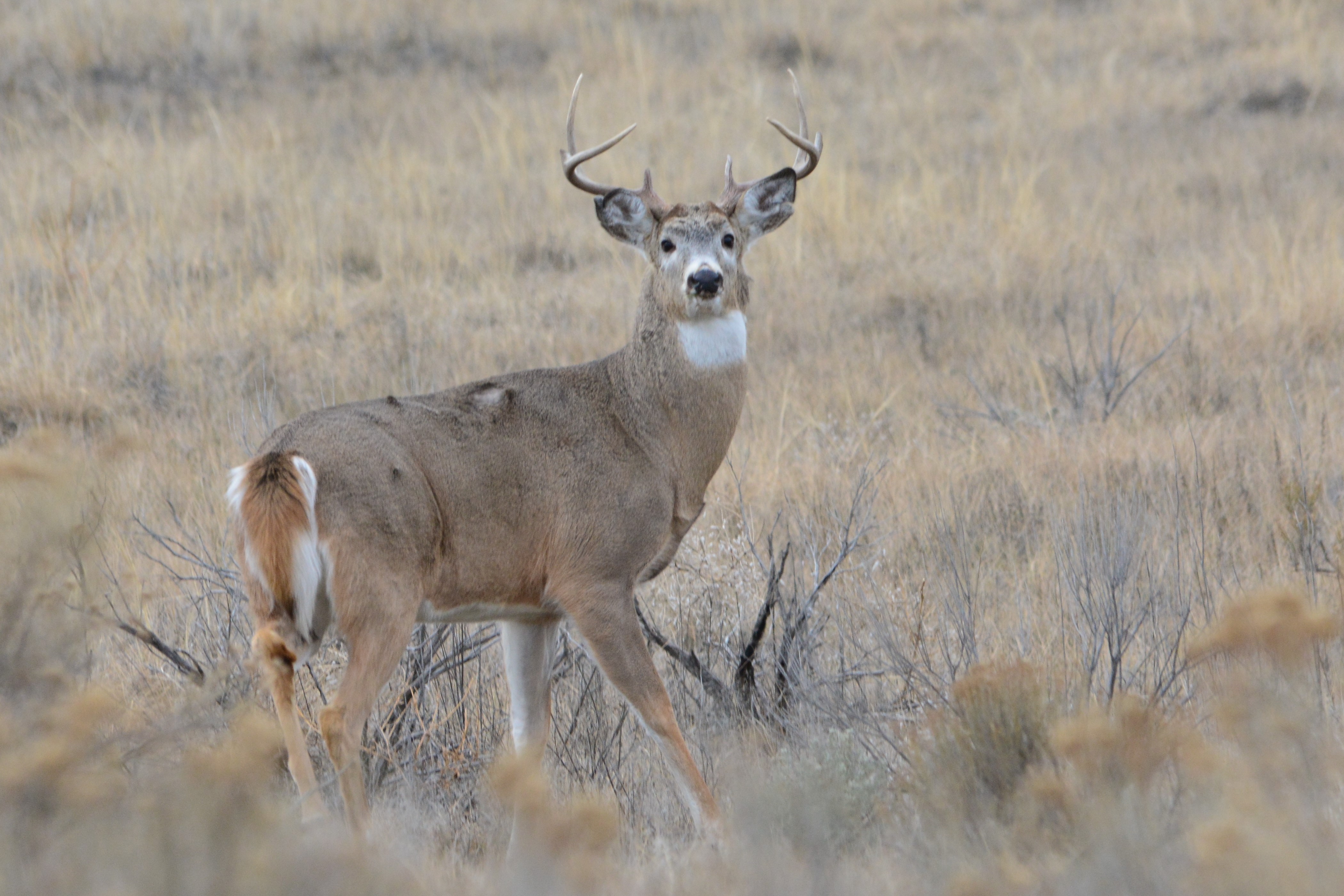 As I followed him over the next ridge a doe and two fawns ran into the bulrushes where only ears were visible. Joining a road near the truck, I came face to face with the snake. With the breeze colder than a Pagan’s heart, the snake was as slow as me crawling through a prickly pear patch.
With an hour before sundown I headed back to the Big Pond to study the two species of swans and how they react to each other. Most of the Tundras appeared to sleep while the Trumpeters stirred up the bottom of the pond with their feet and bills to get some food. Ducks would slip in and steal some of the vegetation before the swans could get to the floating particles.
As I was watching two pair of Tundra arguing between themselves, I saw a movement on the edge of the pond. Five antlerless whitetails had come out of the cattails for a drink of water. After a quick drink, they headed into the thick water plants.
Just as the sun was setting and most of the swans and geese left the water to feed in area stubble fields, I spent a few minutes to reflect on the afternoon. What a great way to spend a chilly few hours; hiking, enjoying nature (including the slow snake) and “Living the Wild Life.”

Living the Wildlife is brought to you by Yellowstone Teton Territory. Experience 7,500 square miles of untamed wilderness in Eastern Idaho's Yellowstone Teton Territory. Where majestic peaks meet endless adventure, your perfect outdoor escape is waiting. Start planning at YellowstoneTeton.com.