



Gardening with allies: using plants to aid in insect management
Published at
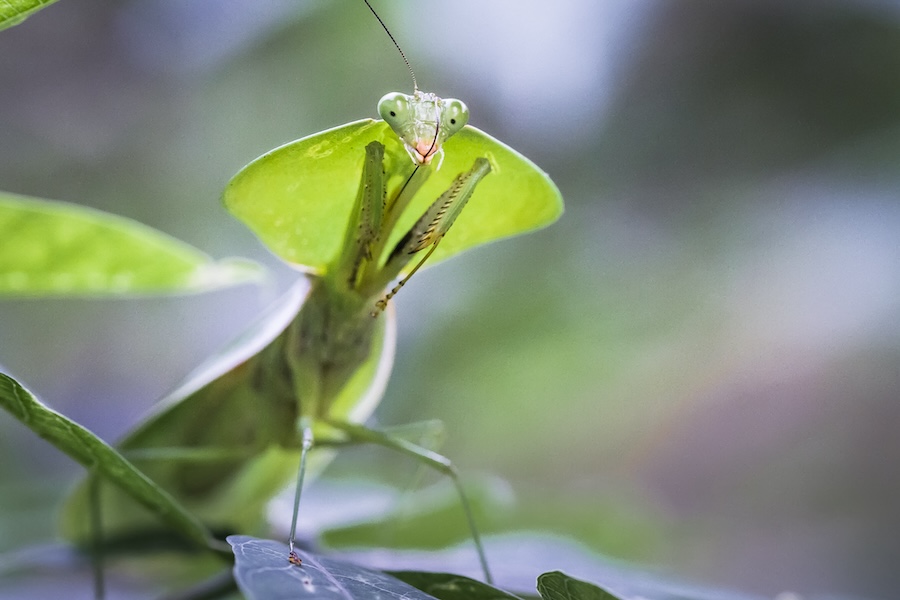
Are you tired of garden pests and want to reduce pesticide use? Certain plants can help manage insects in your garden.
Beneficial insects help control pest populations by attracting predators that will feed on or parasitize pests in your garden. Companion planting is a practice that pairs certain plants together for mutual benefit, and pest management is one of those benefits. Some companion plantings have scientific backing while others are based on folklore and experimentation.
Understanding Beneficial Insects
Beneficial insects are already in your garden!
Five Common Beneficial Insects
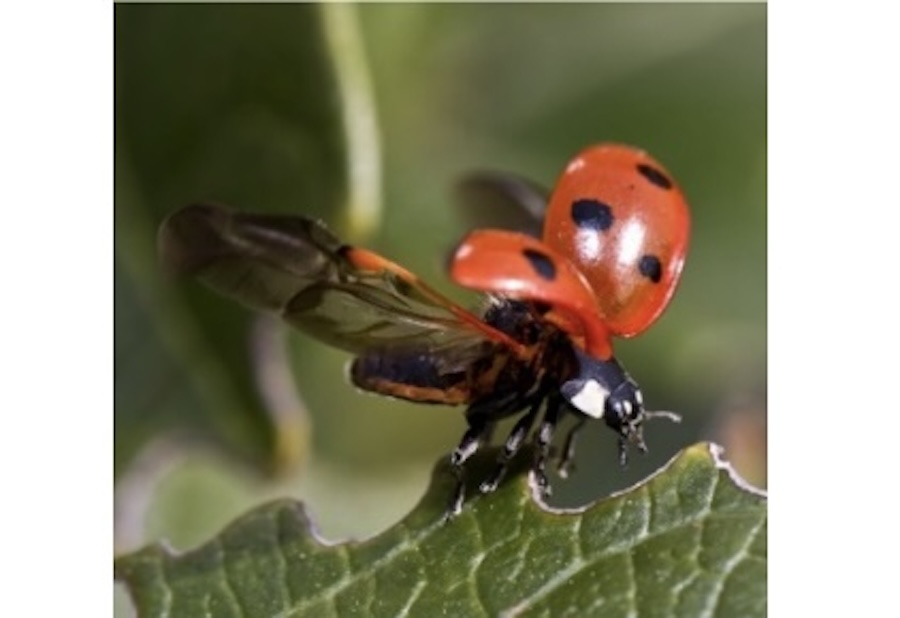
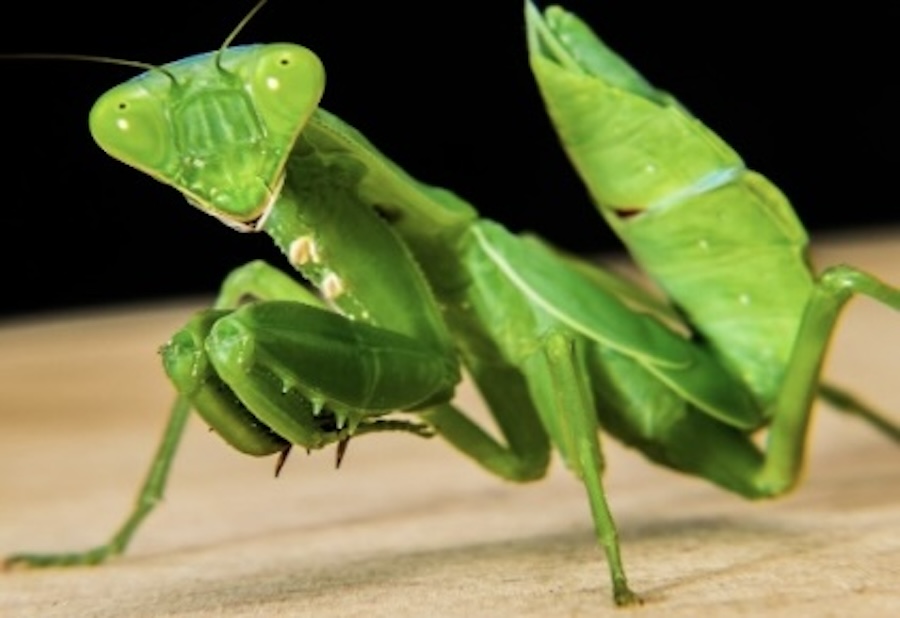
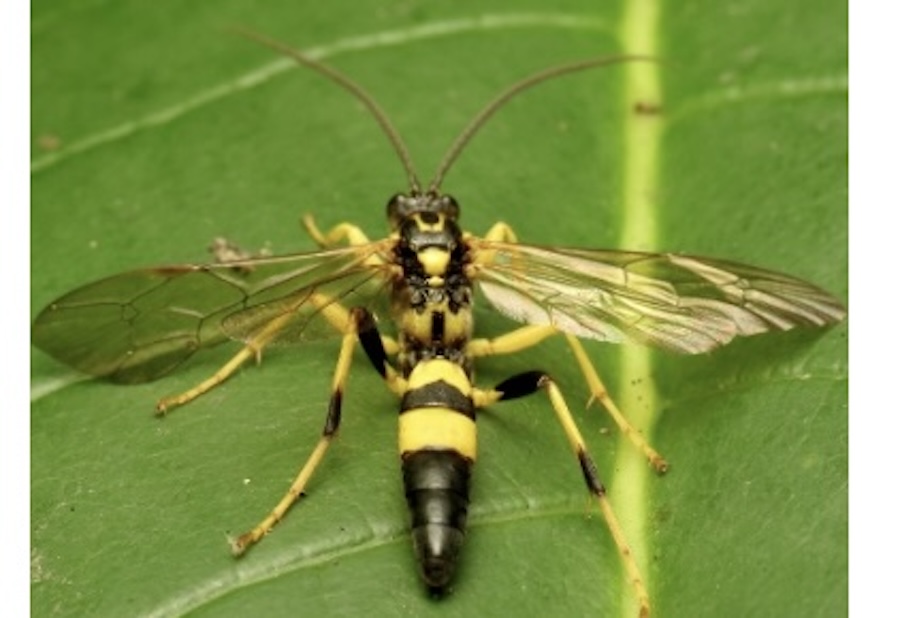


Beneficial insects need food, water, and a somewhat permanent location to thrive. Their food is in the form of pollen and nectar, especially for adults of many species.
Adding plants that flower at different times of the season will help in boosting their populations while also increasing your gardens’ biodiversity and attracting different insects. Water can be a limiting resource for insects too, providing a shallow container of pebbles or keeping watering trays under container plants will provide this valuable resource for them.
Finally, beneficial insects also need a reliable habitat. This serves not only as a home but also as a place to overwinter. Permanent plantings such as trees, shrubs, perennial plants, and grass can provide essential shelter and breeding grounds to keep beneficial insects in your garden.
How Plants Help with Insect Management
Plants help with insect management in three ways: smells, attracting predators and parasitoids, and visual distraction. The smells or odors plants emit can repel pests, attract them to specific plants, and confuse insects by hiding target plant odors. Certain plants can attract predators or parasitoids by providing a habitat that contains food and water. Plants can also visually distract garden pests and save your valuable crops. Mixing plants with different heights, leaf shapes, colors, and textures can make it harder for pests to find their host plants.
Attracting Beneficial Insects with “Insectary Plants”
Insectary plants are plants grown specifically to attract, feed, and shelter beneficial insects or in other words provide a reliable habitat for them. To keep these beneficial insects in your garden area it is highly recommended to have enough plant diversity so that there is something in bloom from early spring to late fall.
Here is a list of several specific plant families that are known to attract beneficial insects that can be planted in and around your garden area:
- Carrot Family (Apiaceae): Attract small parasitic wasps and flies. Examples include coriander/cilantro, dill, fennel, and bishop’s flower. Coriander/cilantro, dill, and fennel are annual herbs that will self-seed. Plant these in locations where they can spread.
- Aster Family (Asteraceae): Attract larger predators like lady beetles and soldier beetles. Examples include blanket flowers, coneflowers, coreopsis, cosmos, sunflowers, and yarrow. Most of these plants will be perennial in our climate or develop from seed after establishment in a garden area. These sunflowers will either self-seed or be perennial plantings that will come back year after year.
- Legumes Family (Fabaceae): Attract many beneficials and are typically grown as cover crops to attract insects and improve soil health. Examples include alfalfa, hairy vetch, and sweet clover. These will grow as perennial plants once they are established.
- Mustard Family (Brassicaceae): Attract beneficials that prey on mustard pests, so it is important to plant
these away from the main garden as a trap crop. Examples include sweet alyssum, and wild mustard. These plants will produce large quantities of seeds, and you will likely not need to reseed after planting mustards so take caution where you plant these. - Verbena Family (Verbenaceae): Attractive to a variety of beneficial insects. Examples include lantana and hybrid verbena. These plants are usually hybrid varieties and will not produce the same plants from seed. It is recommended to start transplants if you want a certain look and smell.
Repelling Pests and Using Trap Crops
Trap crops are plants used to attract pests away from your main crops. These plants will sacrificially intercept pests before they reach your main plants. Plant them strategically away from your crops on the borders. This is a table of plants that can trap/distract pest insects and attract beneficials:

Integrated Pest Management (IPM)
Companion planting is one tool within a broader Integrated Pest Management strategy. Combined with using cultural, mechanical, and selective chemical controls that preserve beneficials is important. If a pesticide application becomes necessary, select products that have little or no residual activity (depending on the pest), such as insecticidal soap, Horticultural oil, or botanicals like neem. These products will break down faster and will do less harm to beneficial insects. It is important to note that whenever using a pesticide follow the label to ensure the target pest is controlled and it will not damage your crop.
Implement in Your Garden
A practical approach is to identify garden areas with low plant diversity and add beneficial plant species. If there is a specific pest, refer to the list of trap crops and plant along the margins or in areas of low plant diversity (outside of the vegetable garden). If you have a pest not listed, research companion plants or insectary plants that focus on that specific pest. Monitor your new plantings and see what works and what does not work in your garden and keep notes for future years.
Conclusion
Using plants is a natural way to support your garden insects and ecosystems. Adding Insectary plants will help bring beneficial insects and deter pest insects. While the table offers several suggestions, it is important to experiment with your garden system and observe what works best for your garden.