



Winter care tips for indoor herbs
Published at | Updated at
As winter draws closer, there are a few considerations to think about to ensure your indoor herbs survive the cooler season temperatures. Most winter problems can be classified as either a water or light issue, but there are also salt and nutrient concerns to consider. With a few tweaks you can keep your herbs thriving through the cold months into spring.
Water Challenges
Watering schedules should be adjusted as winter arrives to help prevent overwatering. As temperatures drop and natural light decreases, indoor plants grow more slowly and use less water. Even with supplemental lighting and indoor heating, the light and temperature are not as intense as summer conditions. This can feel counterintuitive; dry indoor air makes us think plants need more water but in reality, slower growth means slower water uptake.
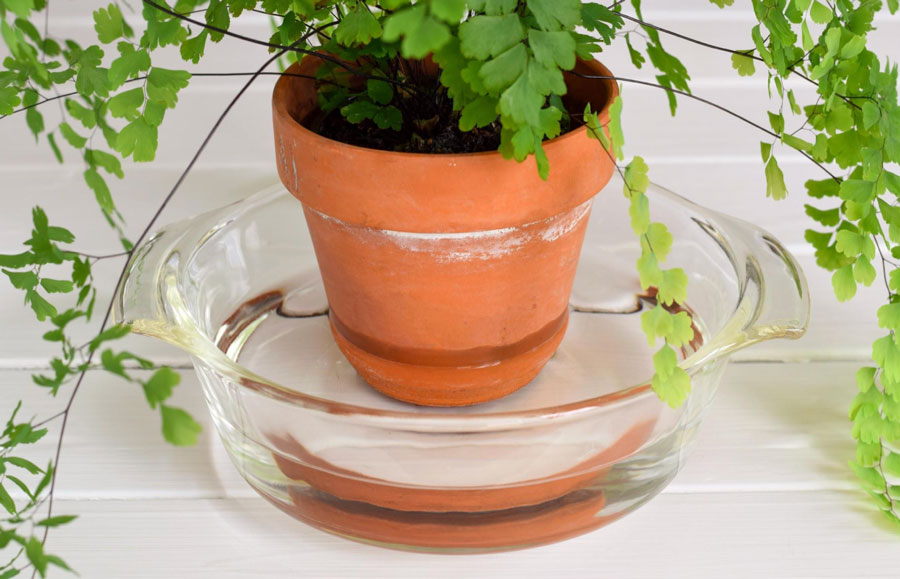
Consistently soggy soil can lead to root rot and can weaken plants, making them attractive to insect pests. Conversely If the soil begins to pull away from the pot edges or will not absorb water, place the pot halfway in a tub of water and let the water soak from the bottom to slowly rehydrate the soil. If excess water remains, drain the remainder so the soil does not then become soggy and waterlogged.
Other Moisture Related Diseases
If you begin to notice yellowing, browning, wilting or overall poor growth several factors can cause these symptoms:
- Yellowing or pale wilting leaves accompanied by small and stunted growth can be the result of nutrient deficiencies such as nitrogen but can also be indicative of root rot because of overwatering.
- Nitrogen deficiency has a pattern of pale or yellow leaves and can be verified with a soil nutrient test.
- To determine if the problem is root rot, pull the plant out of the pot and examine the roots. Healthy roots will appear fibrous with white shoot tips while rotting roots will show blackened root tips that may smell foul and look slimy. If more than half of the roots are slimy the plant should be removed.
- Browning along the leaf margins and tips can be caused by salt accumulation or hot and/or dry air reducing the humidity around the leaves. After several fertilizer applications and hard water usage, a white or yellow crust may appear on the soil’s surface.
- At least once a month apply enough water to thoroughly leach all excess salts out of the drainage holes. If the crust does not appear, the problem is likely from hot or dry air.
- To prevent further damage from the dry air, a tray can be placed under the pot with rocks and water. This allows the plant to not sit in water and creates an extra humidity buffer around the plants to reduce moisture stress from the air.
Common Indoor Garden Herbs
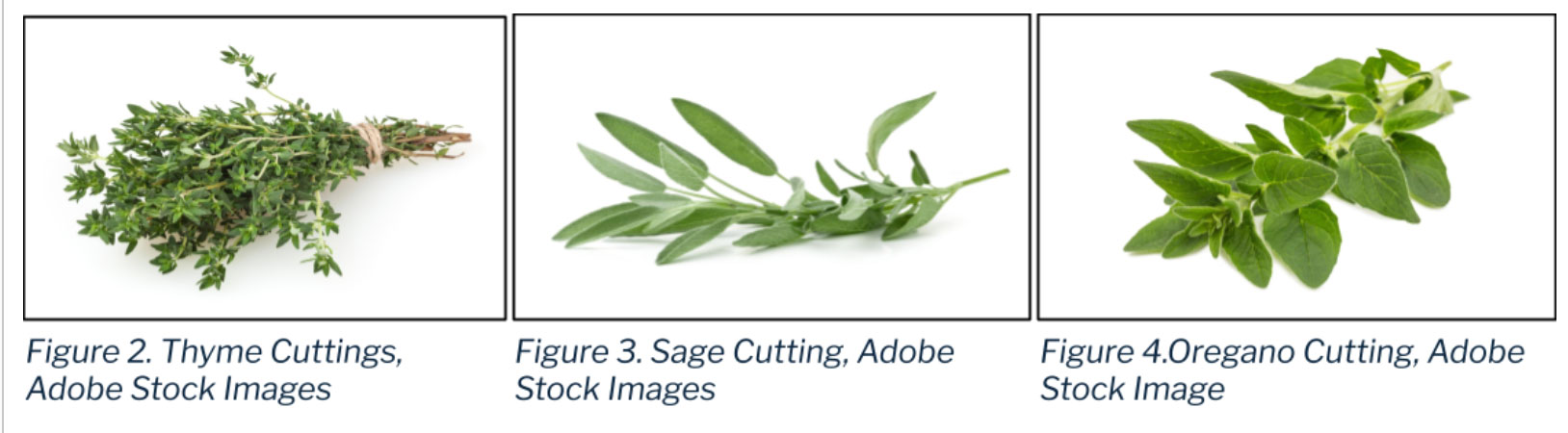
- Semi-woody herbs
- Thyme, Sage, and Oregano prefer drier soils between waterings.
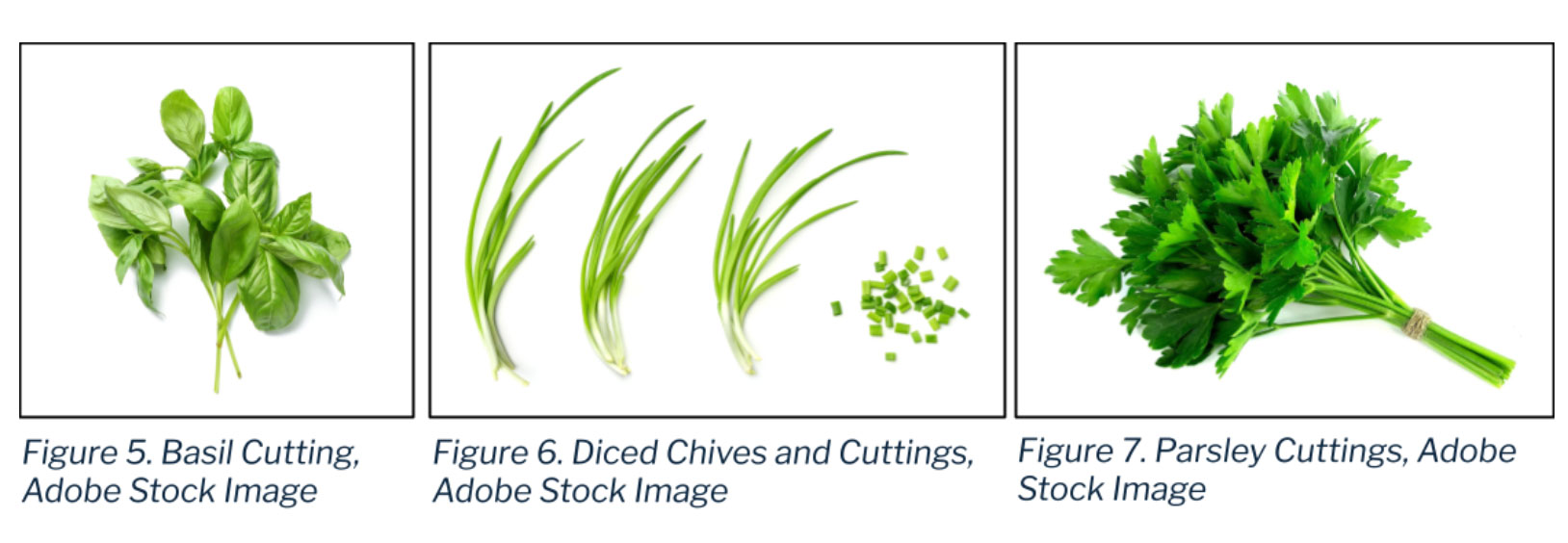
- Soft-stemmed herbs
- Basil, Chives, and Parsley need slightly more watering, but they will still struggle in soggy soil.
- Regardless of type, let most of the soil dry out between waterings. Two easy moisture checks include:
- Lift test: Lift up the pot and if it is noticeable lighter it is watering time.
- Pencil test: Insert a pencil into the soil along the edge of the pot and if it comes out dry it is time to water. If the pencil has moist soil then you can wait a little longer.
Light: The Other Major Challenge
The shorter winter days mean indoor plants often struggle to get enough sunlight. Most herbs need at minimum 6-8 hours a day of direct sunlight and without it the stems will become leggy and stretched between leaf nodes.
Placing these plants near a south or west facing window usually provides the strongest natural light. It is important to consider that windowsills are cooler than the rest of the room, so a shelf or table may be better suited for your herbs.
Rotate pots regularly to keep growth even. If the plants do start becoming leggy, adding a grow light may be necessary. Full spectrum LED or fluorescent fixtures about 6-8 inches above the plants work well, and the lights should operate about 12-16 hours a day if only receiving artificial light. Wall mounted grow-light shelves with artificial light are a good option for keeping adequate light on herbs.
Other Considerations
Containers
Good drainage is essential for container plants and is critical during the winter. Clay pots are usually the best choice for indoor plants because the moisture is wicked out of the soil through the entire clay pot. Other pots with drainage holes will also work, but closer attention will have to be paid to watering.
Most herbs will grow best in their own containers, but you can group plants with similar watering needs to simplify care. Herbs with woody stems like oregano, thyme, mint, and sage do best when the soil is allowed to dry out before rewatering. Herbs with soft stems like chives, cilantro, basil, and parsley prefer more frequent watering but will rot in soggy soil.
A Few Small Adjustments Go a Long Way
Keeping herbs healthy through the cold months requires a little extra attention to moisture and light conditions. With the right care your herbs can stay productive all winter long.