



Violence, no food, zip-ties: What a lawsuit says happened at the Wilder illegal gambling and ICE raid
Published at | Updated at
Carolyn Komatsoulis, Idaho Statesman
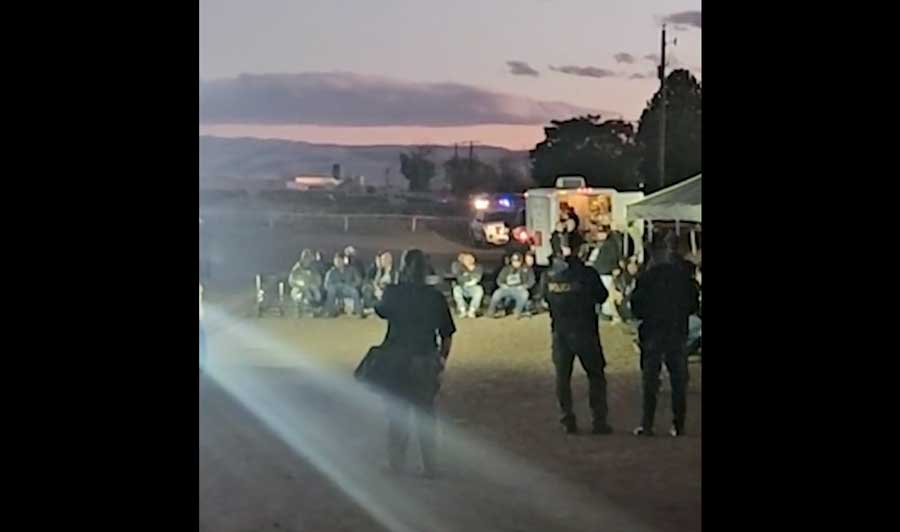
WILDER (Idaho Statesman) — Law-enforcement officers during the Wilder raid in October acted violently, hurled racial epithets and largely withheld food, water, bathrooms and medical care as part of their targeting of Latino Idahoans, according to a lawsuit filed Tuesday in Idaho’s U.S. District Court.
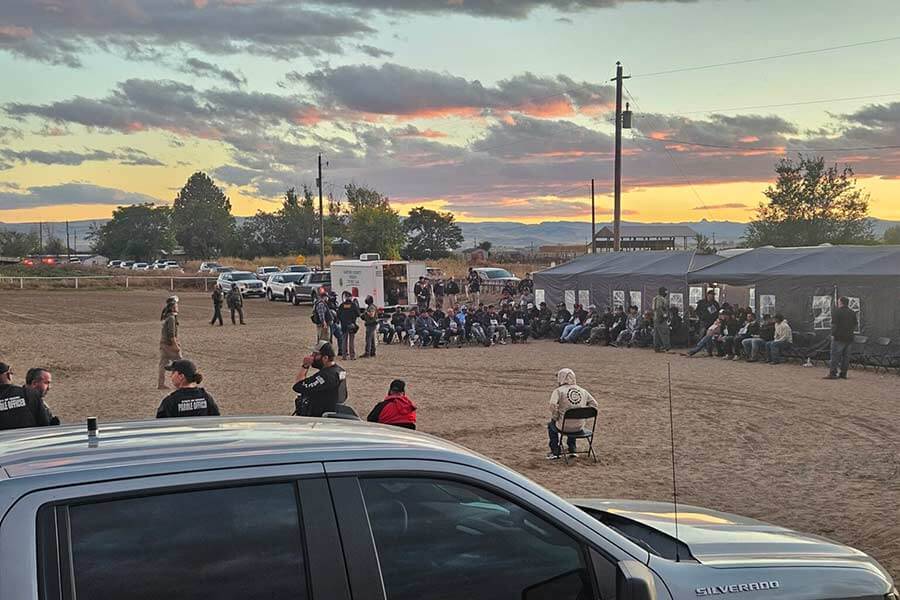
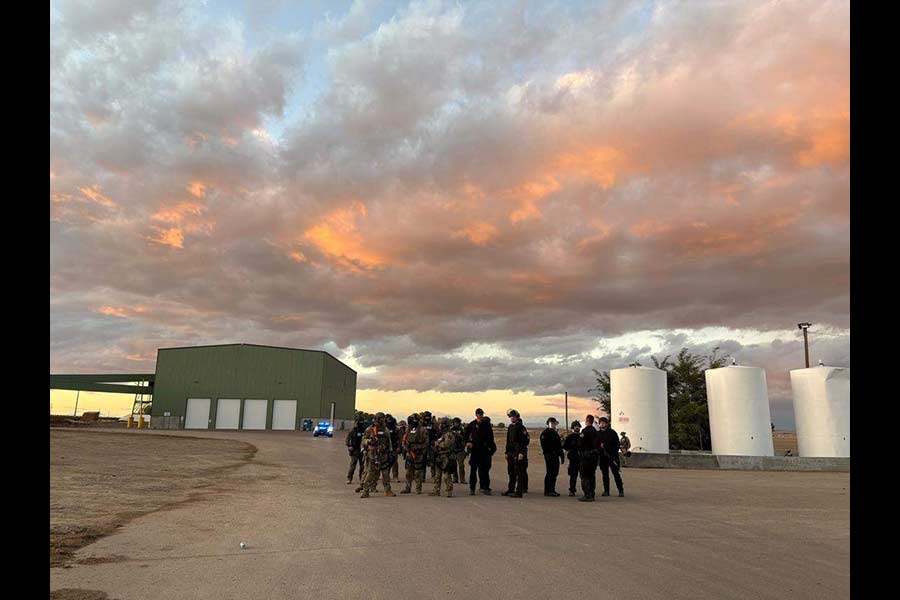
Ten agencies and 200 officers swooped in Oct. 19 for the final horse race of the season at La Catedral Arena, zip-tying minors and detaining hundreds for hours, said the lawsuit filed by the American Civil Liberties Union against the people and agencies involved in the raid. The ACLU sued on behalf of seven plaintiffs, all Latino Idahoans at the raid.
The horse races were legal, but the FBI said it was investigating unlicensed parimutuel betting. That type of gambling is allowed in Idaho in some circumstances. A
Attempts to reach the Caldwell Police Department, Nampa Police Department, Canyon County Sheriff’s Office, Idaho State Police, FBI, Department of Homeland Security and Immigration and Customs Enforcement were not immediately successful. Joan Vargas, a spokesperson for Gov. Brad Little, said his office does not comment on pending litigation.
RELATED | Interfaith community holds vigil for immigrant families, Wilder raid
One of the plaintiffs, Juana Rodriguez, said in a news release that she took her 3-year-old to a family event where they could eat and play together.
“What happened turned our outing into a nightmare. My toddler was forced to witness an incredible amount of violence against people he loves and hear racial slurs about Latinos, experiences that no child should ever be exposed to,” Rodriguez said. “I’ll never forget hearing his little voice pleading with me to give him food and water for hours on end. As a parent, nothing is more heartbreaking than hearing your child cry out in fear and being told you cannot hold or comfort them.“
Four people were arrested during the raid on gambling charges and a fifth the next day in Meridian. U.S. Immigration and Customs Enforcement also arrested 105 immigrants, at least three of whom were allowed to be in the U.S.
But at least 70% of those at the event were U.S. citizens or lawfully present, the lawsuit said.
RELATED | FBI raids Wilder property in horse betting investigation. Is ICE involved?
The plaintiffs include Rodriguez, a 30-year-old U.S. citizen and her 3-year-old son. They also include Ivan Popoca, a 40-year old permanent resident and his 16-year-old son and 10-year-old daughter. The other plaintiffs are an unnamed permanent resident who has lived in the U.S. almost 30 years, and his 15-year-old son.
The defendants include Boise ICE office Acting Director Kenneth Porter, Canyon County Sheriff Kieran Donahue (who was seen at the raid on a horse), Caldwell Police Chief Rex Ingram, Nampa Police Chief Joe Huff and the Idaho State Police director, Col. Bill Gardiner.
The lawsuit also names three agents from the FBI, plus unnamed officers from Caldwell, Nampa, Canyon County and other agencies. The Caldwell Police Department is the only agency so far to acknowledge zip-tying minors.
Ingram, who attended a Hispanic community event at the Capitol on Tuesday before the lawsuit was filed, told the crowd that there was no more important time for the police and the Hispanic community to be unified.
Violence and medical care
According to the lawsuit:
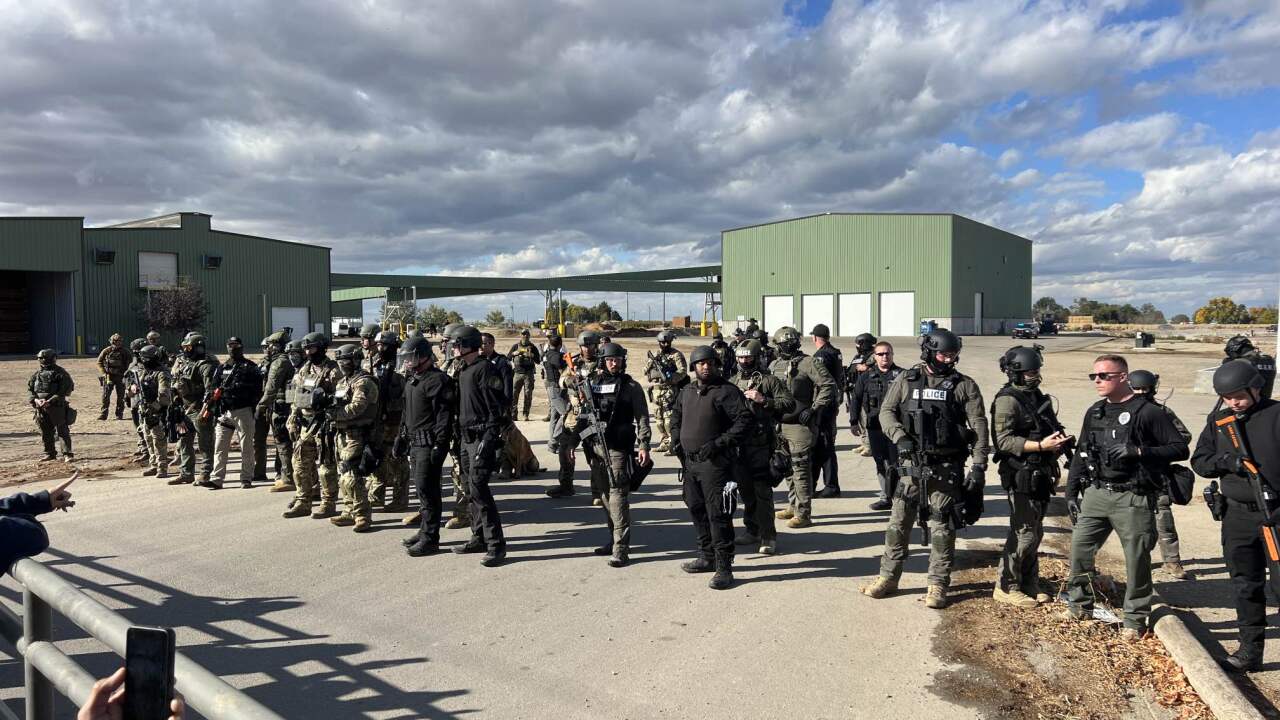
When officers arrived around 1 p.m. that Sunday, they came with armored trucks, face coverings and guns drawn. Snipers took positions on top of a barn at the track, and some officers threw flash-bang grenades, even into vehicles that had people inside.
One of the plaintiffs, the 10-year-old girl, came down from her family’s truck “crying and tried to hug her father.” But law enforcement, “with guns drawn,” pushed her dad and grabbed the girl by her neck, scratching her.
“They broke the windows of cars parked on the property, sending glass pouring onto those inside, including children who had taken refuge in cars because of rain,” the lawsuit said. “They threw compliant people to the ground and shot rubber bullets over the heads of teenagers.”
Officers also hit a man on the head with a rifle after he said he didn’t speak Spanish, making him bleed. But they didn’t provide medical treatment. The man, who is white, had darker skin, so officers kept speaking to him in Spanish. Another detainee fainted from a panic attack and was never given medical treatment.
White-appearing attendees “generally did not have guns pointed directly at them and were not treated as roughly” as those who looked Latino.
Security at the horse track checked each person for weapons or other prohibited items. Undercover law enforcement who attended previous events would have known that the people there were unarmed because of security.
Nevertheless, the officers came prepared with enough zip-ties for hundreds of people.
The agencies involved deliberately targeted an event popular with the Latino community, hoping to achieve deportation goals.
After officers detained everyone, they sorted them into groups “partly based on perceived immigration status,” and assuming lighter-skinned people were citizens. None of the plaintiffs were asked about gambling.
Lawyers pointed to what happened to white attendees versus those who are Latino. The 15-year-old son, for example, told officers once he was zip-tied that he was a minor, the lawsuit alleged. But an officer mocked him, the lawsuit said, even though law enforcement unshackled a girl of the same age who was white after her parents complained that she was under 18.
The 15-year-old, like many others, told an officer that his zip-ties were too tight, hurt and were turning his wrists red.
“The officer laughed and told (the 15-year-old) his ties were too loose,” the lawsuit said. “The officer then tightened (the 15-year-old’s) zip-ties, increasing his pain. About thirty minutes later, (the 15-year-old) started to feel the sting of sweat entering an open wound on his now-bleeding wrists.”
Finally, another officer cut the zip-ties, but the 15-year-old still bears the scars, the lawsuit said.
ICE has been changing its tactics under the Trump administration, including by smashing car windows.
Also, according to the lawsuit:
At first, officers didn’t let anyone use the bathroom, but after an hour finally let some people go. But others, like the 10-year-old daughter, were never allowed to use the porta-potties and had to pee in front of others. One of the plaintiffs, who has diabetes and needs to go often, was never allowed to use the bathroom while he was detained.
People weren’t allowed to eat and officers wouldn’t let parents feed young and hungry children, like the 3-year-old plaintiff. Officers ordered the 16-year-old plaintiff to throw away his food when he was detained.
The 3-year-old plaintiff also cried out for water as an officer walked past with bottles. But an officer snuck a white family water and told them not to tell others.
“In denying some Latino detainees water, they said ‘that’s what you get for being here,’’ the lawsuit alleged.
Even some who got water couldn’t drink it themselves, because they were zip-tied and relied on young children pouring water into their mouths, the lawsuit said.
Search warrant abused, lawsuit says
The lawsuit also criticized the way the search warrant was used, saying the agencies involved used a criminal search warrant “like it was a general warrant granting them authority to conduct a mass, suspicionless detention.” Officers also searched people “without individualized cause or consent.”
“The defendants in this action conspired to abuse a criminal search warrant as cover to go fishing for immigration arrests at an event where they knew they would encounter a large number of Latino individuals,” the lawsuit said.
The raid caused lasting harm, the lawsuit said: The 30-year-old plaintiff is scared to go to Latino cultural events and her 3-year-old son notices police wherever he goes. The 15-year-old’s grades suffered, he’s anxious about small noises and he has trouble sleeping with recurring nightmares of being held at gunpoint.
That “lasting fear and emotional distress is widespread” among those detained that day, the lawsuit said.
The raid has drawn criticism over family separations. One 17-year-old told the Statesman that after her father was arrested, her brother was left parentless at the racetrack.
Of the five people arrested on gambling charges, the government sought to keep four detained, arguing their release posed a risk. Judges released all four of them. They are set to stand trial in May.
The plaintiffs hoping to be recognized as a class, representing everyone who was detained that day and not arrested for criminal violations. The lawsuit alleged, among other things, unreasonable seizure, excessive force and equal protections violations of the Fourth Amendment and Fourteenth Amendment.
The plaintiffs seek an order that the defendants violated the law, and they seek damages and attorney’s fees.