



New state budget cuts will lead to reduced water quality monitoring across Idaho
Published at | Updated at
Clark Corbin, Idaho Capital Sun
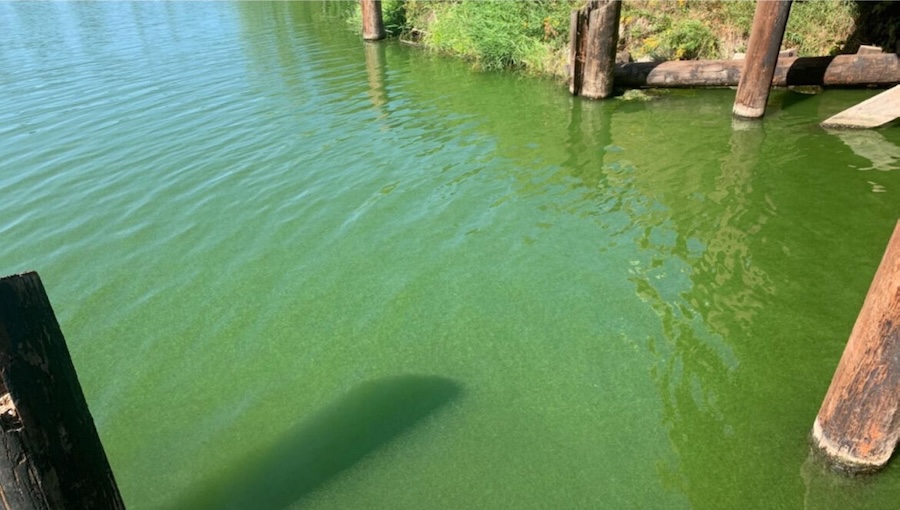
BOISE (Idaho Capital Sun) — A new round of across-the-board state budget cuts in Idaho will force a state agency to reduce the water monitoring it conducts to protect Idahoans’ health and water quality, the agency’s director said.
The new budget cuts, which add up to a total of 5% beginning in fiscal year 2027, will be ongoing in future years. Those new cuts will be especially difficult to absorb because the Idaho Department of Environmental Quality still has not recovered from budget cuts implemented in response to the Great Recession of 2008, director Jess Byrne told the Idaho Capital Sun.
“For perspective, funding for statewide water monitoring today is less than 50% of what we spent on the same activities 20 years ago,” Byrne said in an interview Wednesday afternoon. “We have already reduced the level of monitoring we do as a state significantly over time.”
The Idaho Department of Environmental Quality, commonly referred to as the Idaho DEQ, is a state agency whose mission is to protect human health and the quality of Idaho’s air, land and water.
The department conducts water monitoring to ensure different bodies of water, like rivers and lakes, meet what state officials refer to as beneficial uses for supporting aquatic life, supporting safe drinking water and supporting aquatic recreation.
Bodies of water that are not supporting beneficial uses are considered impaired. When that happens, the department puts together a total maximum daily load plan to address the impairment and improve water quality, Byrne said.
Why is the Idaho Legislature cutting state budgets?
The cuts are a result of the additional 1% and 2% state budget cuts for most state agencies that Idaho Legislature’s Joint Finance-Appropriations Committee voted to approve Feb. 6. The cuts are in addition to the 3% cuts Gov. Brad Little ordered last summer, meaning most state agencies will be experiencing a 5% budget cut in fiscal year 2027 and beyond.
The additional 2% cut represents a $587,200 reduction for the Idaho Department of Environmental Quality for a total cut of nearly $1.5 million, state records show.
The department does plan to reduce water quality monitoring across Idaho, scale back its harmful algal boom detection program and eliminate unfilled vacant positions.
“The agency is legally required to conduct monitoring assessments, and (total maximum daily load) development, and reduced monitoring strains the state’s ability to meet these obligations and maintain critical monitoring equipment,” Byrne wrote to a state budget analyst on Jan. 30.
In his letter to the state budget analyst, Byrne said one impact of the additional new state budget cuts is the immediate scaling back of funding in fiscal year 2026 for the harmful algal bloom monitoring program.
The program plays an important health and safety role in Idaho. Every summer and fall, the Idaho Department of Health and Welfare or public health districts issue public health advisories for bodies of water where water samples show high levels of toxin-producing cyanobacteria. The public health advisories state that the toxins can be harmful to people and that pets, wildlife and livestock can become sick and die within minutes of being exposed to the toxins.
Byrne said the department isn’t eliminating the vacant positions and reducing water monitoring because the positions and programs are not important. Byrne said he felt the department could not cut its federally required programs and had no other choice.
“Eliminating funding for these commissions and even the positions we offered up is certainly not a reflection of the importance of the work that they do,” Byrne said. “It’s just been a really difficult decision and pretty much driven solely by a lack of other options.”
The new budget cuts that JFAC approved Feb. 6 still have to be voted on by the full Idaho House of Representatives and Idaho Senate. The cuts for the current fiscal year 2026 will go to the floor of the Idaho House and Idaho Senate to be voted on in the 2026 Idaho Budget Recissions Act.
The additional cuts for next year will be built into the fiscal year 2027 maintenance of operations budgets that JFAC leaders said they plan to vote on Feb. 13 at the Idaho State Capitol in Boise.
Editor’s note: This Idaho Capital Sun story is the next in our series focused on the impacts of additional 1% and 2% budget cuts to state agencies approved by the Legislature’s budget committee for fiscal year 2026 and fiscal year 2027. Previous stories focused on how the proposed budget cuts may affect the state’s mental health court program and graduate medical education in the state. The cuts are also projected to delay tax return processing, lead to the state spending more to house people in prison whose parole hearings will be delayed, and make it harder for Idaho’s Department of Water Resources to administer water rights.
Idaho Capital Sun is part of States Newsroom, a nonprofit news network supported by grants and a coalition of donors as a 501c(3) public charity. Idaho Capital Sun maintains editorial independence. Contact Editor Christina Lords for questions: info@idahocapitalsun.com.