



The right way to treat a stubborn nosebleed
Published at | Updated at
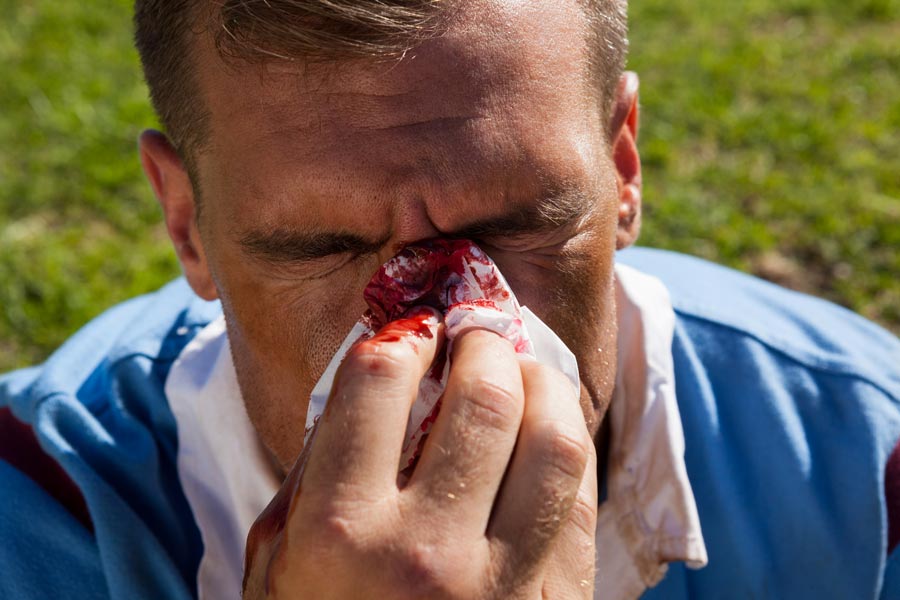
Have a medical-related question you've always wanted answered? The doctors at Mountain View Hospital and Idaho Falls Community Hospital are here to help! Email your "Ask the Doctor" questions to news@eastidahonews.com and they might end up in our weekly column.
IDAHO FALLS — Nosebleeds are common, especially in climates like ours. Most nosebleeds happen because the air is dry, you’ve been blowing your nose too hard, or you picked at a scab inside your nostril. Usually, they’ll stop on their own within a few minutes, but doing the wrong thing can make them last longer or start up again.
If you get a nosebleed, sit up straight and lean slightly forward. Pinch the soft part of your nose – right below the bony bridge – and hold firm pressure for a full ten minutes without letting go. Breathe through your mouth. Resist the urge to tilt your head back. That just sends blood down your throat, which can make you nauseous or cause you to choke.
After ten minutes, release the pressure gently. If it’s still bleeding, pinch again for another ten minutes. Most nosebleeds will stop after one or two rounds of this.
Don’t blow your nose right after it stops. That can dislodge the clot and restart the bleeding. If you need to clear your nose, do it gently. Avoid heavy lifting, bending over, or any straining for the next few hours.
While ice on the bridge of your nose doesn’t hurt, it’s not a game-changer – the real work is the pressure. If you’re prone to nosebleeds and want to have fewer of them, try using a humidifier at night and applying a little petroleum jelly or saline gel inside your nostrils. Those simple fixes can make a big difference.
If your nosebleed doesn’t stop after 20 minutes of pressure, if you’re losing a lot of blood, if you’re having trouble breathing, or if nosebleeds are happening frequently without an obvious cause, see a doctor. Frequent nosebleeds can sometimes indicate high blood pressure, a clotting disorder, or an underlying condition that needs treatment.
Most of the time, a nosebleed is just annoying. But knowing how to handle it the right way makes all the difference.
This column does not establish a provider/patient relationship and is for general informational purposes only. This column is not a substitute for consulting with a physician or other health care provider.

Ask the Doctor is brought to you by Mountain View Hospital and Idaho Falls Community Hospital. Mountain View Hospital is proud to offer the community compassionate surgical, labor and delivery, NICU, diagnostic and rehabilitative services. And when the seconds count, count on Idaho Falls Community Hospital for emergency care. With around-the-clock trauma services, state-of-the-art technology, and a highly-skilled team, Idaho Falls Community Hospital is always ready to provide patients with the best possible treatment.