



Idaho Senate to consider letting AG seek to bar local officials from office for violating state law
Published at
Kyle Pfannenstiel, Idaho Capital Sun
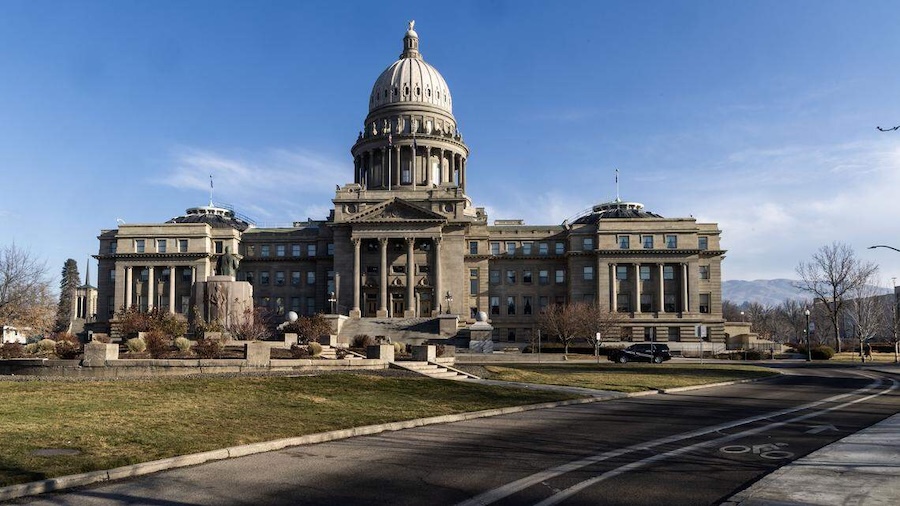
BOISE (Idaho Capital Sun) — The Idaho Senate is one of the last stops for a bill that would let Attorney General Raúl Labrador seek to temporarily disqualify local elected officials and government employees from holding office or working for the government if they “willfully” violate state law.
House Bill 896 — backed by Republican leaders of the House — would let the state attorney general enforce state laws that enact bans. The bill would allow the attorney general to sue a government agency, official or employee if they fail to correct the alleged violation after being issued a warning.
The bill would exempt state lawmakers and judges from lawsuits to enforce state law by the attorney general. The Legislature routinely blocks local governments from enacting certain policies, or requires local governments to do certain things, through preemption laws, the Idaho Capital Sun reported.
The Senate Judiciary and Rules Committee on Monday advanced the bill to the full Senate. The House passed the bill on a party-line vote.
If the bill passes the Senate, it could go to Gov. Brad Little for final consideration.
Last year, the city of Boise declared an LGBTQ+ pride flag as an official city flag to work around a state law banning the display.
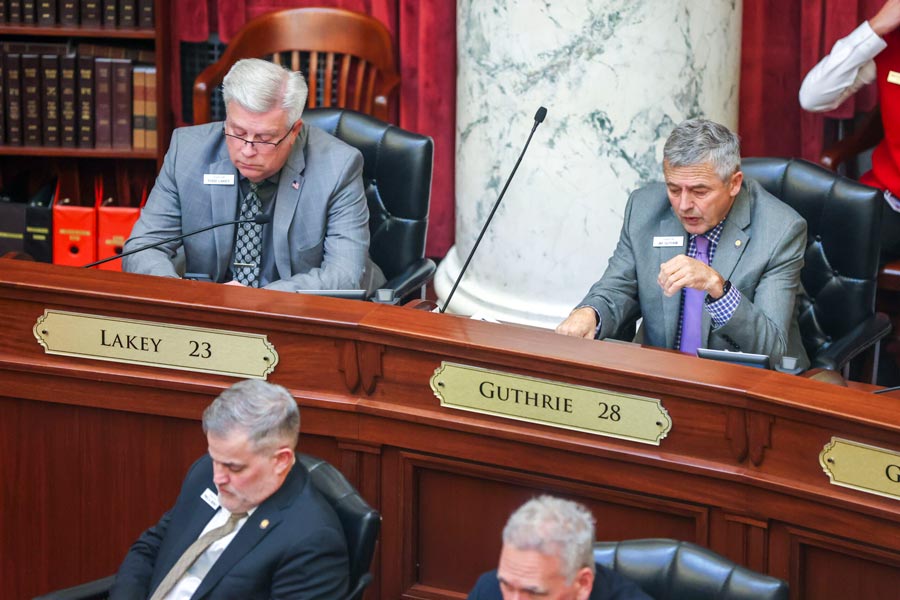
Bill cosponsor Sen. Todd Lakey, a Nampa Republican, referenced Boise’s display — but said the bill doesn’t call out any specific action or entity.
“If you’re charged with enforcing and implementing the laws of the state of Idaho, you’re not above them,” Lakey said. “If you don’t like the law, then work to change it, but you can’t ignore or willfully violate the law.”
Sen. Melissa Wintrow, a Boise Democrat, said Boise didn’t violate state law.
“They followed the appropriate channels. And it was about a flag and about representing the constituents that were very happy that they did what they did. And now they’re going to be punished in this law. And that’s the example that keeps coming back over and over,” Wintrow said.
Sen. James Ruchti, a Pocatello Democrat, said the bill is the latest in a series of bills that impose the Legislature’s will over local governments.
“It represents … an example of the worst of state government control over as much as it can control,” Ruchti said. “The Legislature just seems, we seem to have this need to control more and more.”
Here’s how the bill to enforce laws would work
Only the governor, the House speaker, the Senate president pro tempore, or the chairman of a board of county commissioners could refer cases to the attorney general under the bill.
Association of Idaho Cities Deputy Director Johnathan Wheatley asked lawmakers to change county commission chairmen to county prosecutors.
The attorney general could notify elected officials, government employees or agencies of an alleged violation if the attorney general “has reason to believe” that they violated a state law. Then there could be a 14-day “curing” period, which is when an official or entity that admits to a violation can correct it before being sued.
If alleged violations are denied, not fixed or not responded to by the official or agency, the attorney general can sue and seek a court order directing compliance with the state law. Officials who violate court orders directing compliance with state law can be charged with contempt.
For elected officials or government employees who “willfully violate” state law, the attorney general can seek to disqualify them from holding public office or working for the government. Such a court order would apply for up to five years “if the attorney general proves by clear and convincing evidence that the person willfully violated a prohibition.” State elected officials would be exempt.
The bill does not clearly spell out what disqualification would be, such as whether it would be a process to impeach and remove elected officials from public office, or whether they would serve the remainder of their terms before being ineligible to run for elected office.
An earlier version of the bill would’ve let the state freeze funding for local governments if the state’s attorney general suspected they violated state law.