



‘Extortion’ claims fly as groundwater users in Butte County face curtailment order
Published at
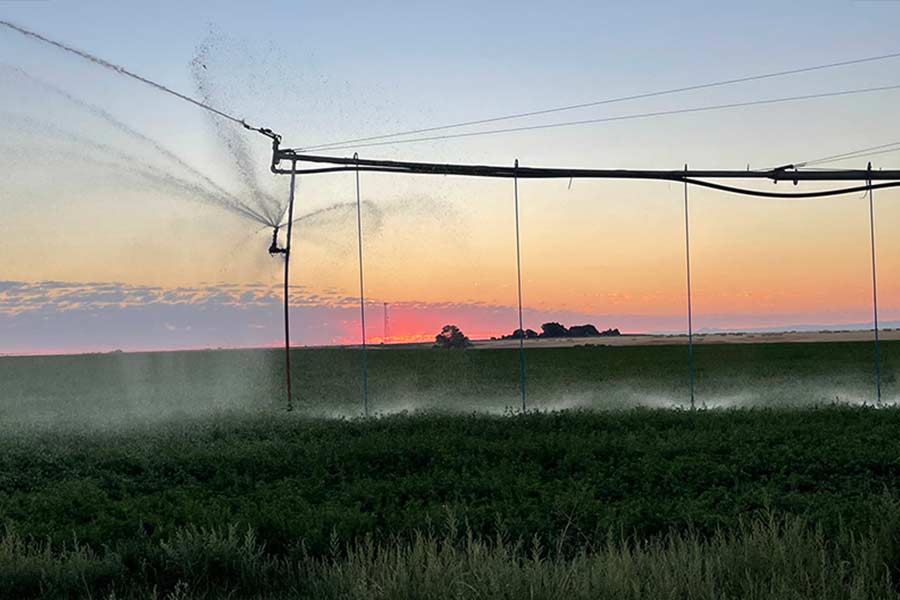
ARCO – As the Idaho Department of Water Resources begins enforcing a curtailment order in Butte County, many farmers have been unable to pump water this irrigation season.
Three groundwater districts are affected by the curtailment, which went into effect on Nov. 21, 2025. About 840 groundwater rights holders in the Big and Little Lost River Basins are at risk, along with thousands of acres of farmland.
The department started checking the area last month to ensure groundwater users were covered by an approved mitigation plan. The passage of SB 1341 in 2024 — which added these districts to the Eastern Snake Plain Aquifer “common groundwater supply” — required water users in the area to implement an approved mitigation plan or join an existing one to avoid shutdowns. They were given 16 months to comply, with the deadline taking effect on Nov. 1, 2025.
A news release from the IDWR on March 2 says that none of these areas had an approved mitigation plan, and were subject to curtailment.
“IDWR agents will red-tag and curtail groundwater wells if the water users are not in compliance,” officials say. “The curtailments … will be rescinded for groundwater rights that become covered by an approved mitigation plan.”
Under Idaho law, surface water users have senior water rights, and groundwater users are required to have a plan for recharging the Eastern Snake Plain Aquifer during times of shortages. Although groundwater users are required to conserve a minimum of 205,000-acre-feet of water annually, the water shortage in 2026 means there are no opportunities for recharge.
The 2024 plan provides a safe harbor and protects groundwater wells from being shut off, but only if users are compliant with a mitigation agreement.
TJ Budge, an attorney who represents Idaho Ground Water Appropriators — the umbrella organization for nine groundwater districts in eastern Idaho — tells EastIdahoNews.com that Butte County irrigators signed an addendum to join the 2024 mitigation plan on March 31, and that the Idaho Surface Water Coalition is holding it up.
“The Coalition asked to impose additional obligations that aren’t required of the existing parties to the plan,” Budge says.

Big Lost River Ground Water District Chairman Mike Telford says that despite their efforts to agree to the terms and sign the addendum, the coalition is “holding our little valleys hostage to try and get a better deal” for the A&B Irrigation District near Rupert, which serves about 82,600 acres of irrigated land.
“They’ve said if we’ll give A&B this special deal so we don’t have to comply with everything that everybody else is complying with, then we’ll sign it,” Telford says. “The original signatories have to agree to let people in. It’s an extortion attempt and it’s got the groundwater community incensed and up in arms.”
RELATED | New app aims to help eastern Idaho farmers track water as drought tightens grip
Little Lost River Ground Water District chairman Kirk Nickerson says the “deal” surface water users are asking for is live recharge beyond what’s already stipulated in the 2024 agreement.
In a written response to EastIdahoNews.com, the Surface Water Coalition says the current situation in Butte County is the result of “a rushed process driven by the Idaho Ground Water Appropriators, not any initiation of or refusal to participate by the Surface Water Coalition.”
“The current claims that blame the Surface Water Coalition for a groundwater curtailment ignore a simple reality: IGWA waited nearly two years to act, then attempted to force approval in a matter of days,” SWC President Alan Hansten says. “Curtailment is never SWC’s want or decision; it is required under Idaho law and enforced by the Idaho Department of Water Resources when no approved mitigation plan is in place. This is a consequence of the groundwater users’ own actions.”
The SWC says the IDWR notified Butte County groundwater users in January that the curtailment order was in effect and urged them to take action. They did not formally file to join the 2024 mitigation plan until March 27, according to the SWC.
Days later, on March 31, the agency says “IGWA issued revisions, made additional changes, and signed the addendum without SWC agreement or a meaningful opportunity for input.”
“IGWA has put the blame on SWC, when they have had years to prepare for this possibility. IGWA created a last-minute process and then made out our members as the bad guys when they didn’t get immediate approval. That’s not how a legally binding mitigation plan works,” the coalition says.
The IDWR is expected to make a decision later this week following a status conference on Wednesday at 10 a.m.
Nickerson says he already has crops in the ground, and time is of the essence in reaching a resolution.
“We’ve done everything they’ve asked us to do … and there should be no reason for us to be curtailed and not be able to pump water now,” Nickerson says. “This should have been resolved long before. It was a last-minute decision (by the SWC not to let us join), which seems really unethical.”