



Federal government reinstates University of Idaho climate grant for farmers
Published at
Laura Guido, Idaho Capital Sun
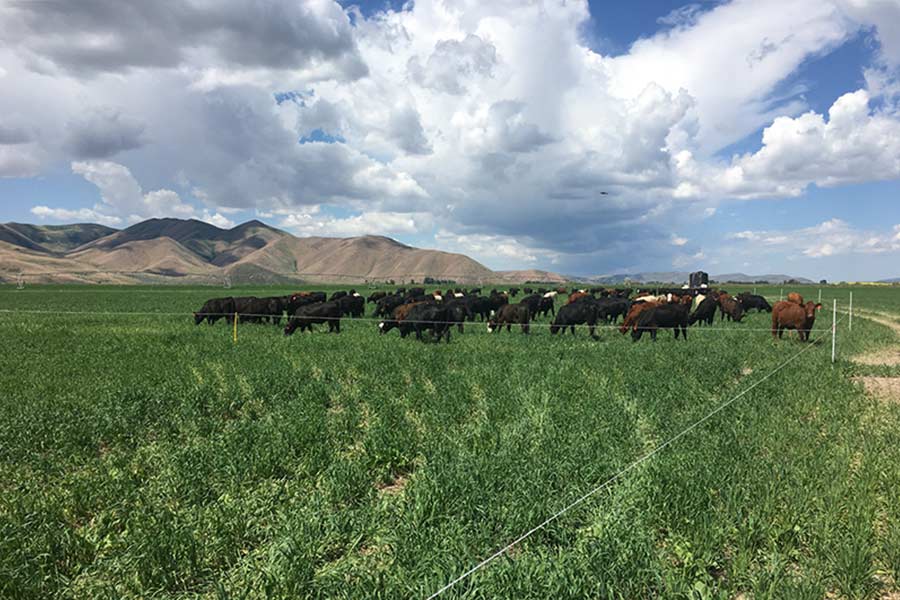
BOISE (Idaho Capital Sun) – A $59 million grant to the University of Idaho to help farmers develop climate-smart practices— which the federal government terminated last year — has been reinstated. The grant is the largest in the university’s history.
The U.S. Department of Agriculture notified officials at the UI College of Agricultural and Life Sciences and partners in April that they could resume work on the five-year program, the university announced in a press release. Other partners in the program include The Nature Conservancy, Desert Mountain Grass-Fed Beef and the Nez Perce and Coeur d’Alene tribes.
The Innovative Agriculture and Marketing Partnership was originally approved in 2024 under a Biden-era USDA program called Partnerships for Climate-Smart Commodities. More than 200 Idaho farmers from 34 counties had applied for incentives to incorporate practices that reduce climate and environmental impacts of some top commodities, such as potatoes, sugar beats, wheat, barley and beef.
The program leaders said they intend to focus on the original pool of farmers who participated before accepting new applications.
“We are going to get a technical support team to help us enroll these people, and we’re streamlining the process so it’s fairly straightforward and automated,” said Doug Finkelnburg, area extension educator and co-leader of the program. “Our hope is to get producers under contract in 2026 as quickly as we can.”
The USDA in 2025, under the Trump administration, retroactively changed its criteria to evaluate grants, which included requiring a greater percentage of the money to go toward direct grants for farmers, and deemed UI’s program ineligible.
The university revised its program to comply with the new criteria, including designating up to $7,500 a year for producers, totaling $3.5 million. The program designated $450,000 for marketing projects, the press release said. The revised program also scaled back some of the research objectives to direct more funding toward marketing.
The practices incentivized under the program include reduced tillage, cover cropping, prescribed grazing, intercropping, reducing use of synthetic fertilizers in favor of organic nutrient sources and use of biochar, a form of charcoal.
“The practices we’re incentivizing will help make the farms more resilient to risk,” Finkelnburg said in the release. “We’re incentivizing practices that build soil carbon, increase water storage in soils and make it less risky to do production agriculture.”