



The virus hunters protecting Idaho’s potato industry
Published at
EDITOR’S NOTE: “From the Field” is a weekly newsletter bringing you the latest agriculture news in eastern Idaho.
IDAHO FALLS – For the last 85 years, the Idaho Crop Improvement Association has been the state’s seed certifying agency. Its four offices work with farmers across the state to inspect and test crops for viruses in hopes of protecting the health and quality of yields.
The Idaho Falls office at 1680 Foote Drive recently hosted a group of graduate students from the University of Idaho. It was one stop on the group’s statewide potato industry tour. EastIdahoNews.com paid a visit on Tuesday afternoon to learn about the agency and what it does. Seed certification lab manager Lisa Tran and assistant lab technician Kathryn Ransom showed us how they test potatoes for a common virus called Potato Virus Y. Watch it in the video above.
Executive Vice President Kathy Stewart-Williams says they work under an MOU (memorandum of understanding) agreement with the U of I for the certification of seed crops.
“We work with different types of plant breeders over a multitude of crops,” Stewart-Williams says. “Our growers plant seed, and we inspect it in the field. There’s post-harvest testing that’s required. If that seed lot meets all the standards in-field and after harvest, then it becomes some class of certified seed.”
The association has offices in each of the four crop regions, which include Meridian, Moscow, Twin Falls and Idaho Falls. Potatoes are the most abundant crop the association deals with statewide. The Idaho Falls office handles all potatoes grown in the state.
Wheat and other small grains, like barley, oats and teff, are a huge industry as well. Teff is an ancient grain originating in Ethiopia and Idaho is the second-highest producer of it in the world, according to BoiseDev.
Stewart-Williams says canola is prevalent in northern and eastern Idaho. Alfalfa, dry beans and peas are grown throughout the state, as well as grass.
“We work with the U.S. Bureau of Land Management and the U.S. Forest Service for restoration and revegetation projects. They want to know that the (grass) seed they’re getting is high quality and weed-free,” she says.
The Idaho Crop Association was formed in 1941, but seed certification has been practiced in North America for more than 120 years. Before that, Alan Westra, the association’s area manager, says farmers just saved seeds year after year and planted them.
Breeding programs for superior seed varieties early on didn’t keep track of their progress, leading to contamination and loss of seed identity.
The first grain inspections happened in Canada in 1905. Since potatoes are vegetatively propagated, viruses have become an issue over time. Potato inspections started around 1913.
“People developed these programs for inspection and testing to address seed quality so that a commercial grower would be assured that the seed they’re buying would be of sufficient quality to successfully produce a crop,” Westra explains. “Those programs were originally developed in Europe and then came over here to (the United States).”
At some point, individual states began launching their own crop improvement associations. It’s not clear how the Idaho Association got started, but Ashton rancher Emma Atchley says her late husband’s dad, Preston, helped create it.
The Seed and Plant Certification Act of 1959 designated it the seed certifying agency for Idaho through the U of I’s College of Agriculture, according to its 2025 grower directory.
“Every state that has a certification agency is a little different,” Stewart-Williams says. “Some of them are part of a university. In Idaho, they transferred that to a standalone agency.”
RELATED | Idaho declares drought emergency for all 44 counties as snowpack hits record lows
Amid ongoing water shortages across the state, farmers are also facing high input costs, which are driving up the prices of seeds and other commodities. The conflict in the Middle East is driving up these costs, and economic uncertainty makes 2026 a particularly difficult year for growers.
RELATED | Iran war has US farmers worried about the cost and availability of fertilizer
While the crop improvement association cannot control these factors, Westra is sympathetic.
“Seed growers have a little more challenge with input costs because the return on their investment is delayed. Seed potato growers have to store most of their potatoes until spring, so they have extra storage costs that a commercial grower might not incur,” says Westra. “Diseases are a concern with seed potatoes and in a tough marketing year like we’ve just gone through, having a virus in your potatoes makes it that much more difficult.”
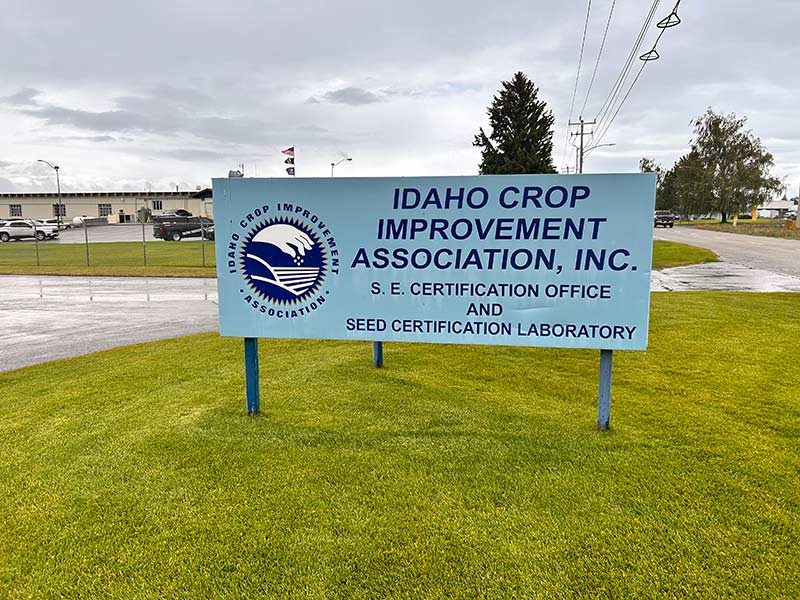
Farmers want the highest-quality seed for their dollar, Westra says, and the Idaho Crop Improvement Association will continue to ensure quality through tests and inspections.
“A seed grower can use a good report to help market his crop, and the reports that we issue can be used by commercial growers to decide which seed to buy,” he says.
AG AT-A-GLANCE
For the first time since 1984, Snake River flows could trigger curtailments
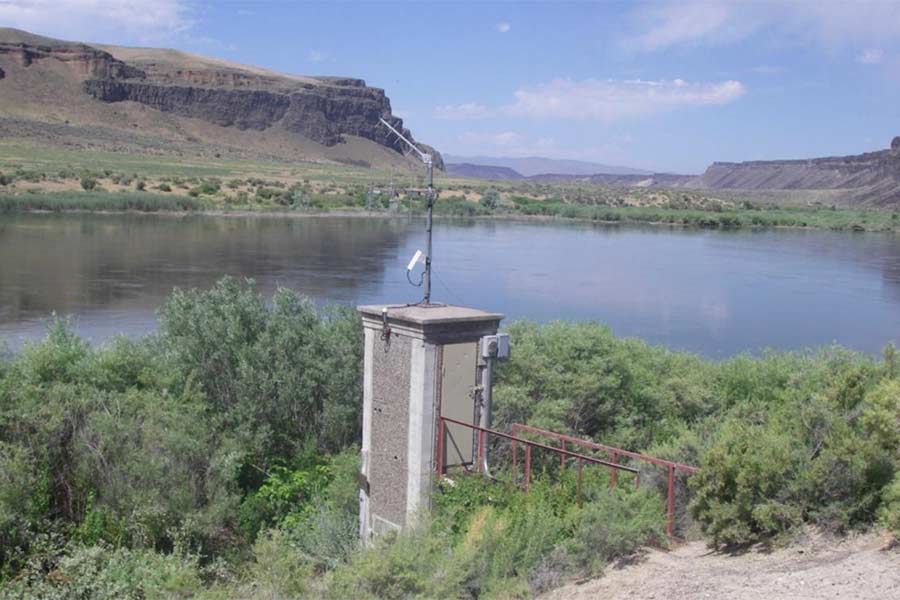
BOISE – In a forecast for Snake River water flows, officials with the Idaho Department of Water Resources are predicting that there is a chance that river flows may fall below the minimum flow of 3,900 cubic-feet-per-second at the Murphy gage this summer.
In conjunction with the forecast, IDWR is sending a notice to all water users with Trust Water Rights, reminding them that they may be subject to curtailment if Snake River flows fall below that level. The notice encourages Trust Water Users to plan ahead and be aware of the online tools and resources available to them.
According to IDWR’s database, there are more than 4,000 Trust Water Rights. The June 1st letter was mailed to each of the 3,300 owners of Trust Water rights and their representatives.
If Snake River flows drop below 3,900 cfs at the Murphy gage, that would be the first time that has occurred
during the irrigation season since the Swan Falls Settlement occurred in 1984.
If you have a From the Field story idea, send it to rett@eastidahonews.com. Remember to use ‘From the Field’ in the subject line.
IN CASE YOU MISSED IT…
- 66 horses removed from Idaho property as animal cruelty investigation begins
- Pocatello breaks ground on first community garden, more could follow
- Nearly 60 Idahoans sick after drinking raw milk in past two weeks
- ‘They’re Idaho horns’: The cowboys, hunters and conservationists behind Lewiston’s bighorn collection