



A tentative deal is reached to end the Iran war and Trump orders a stop to the US naval blockade
Published at | Updated at
Munir Ahmed, Julia Frankel, Abby Sewell and Will Weissert, Associated Press
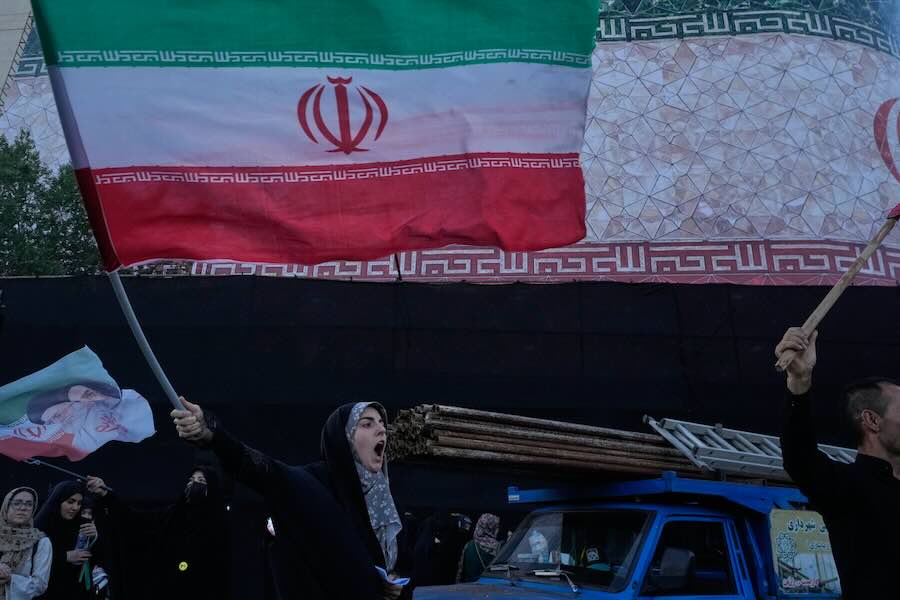
ISLAMABAD (AP) — The United States and Iran reached an initial agreement early Monday to open the Strait of Hormuz and further extend a shaky ceasefire in the Iran war, potentially allowing desperately needed oil and natural gas to reach the global market.
Details of the deal were not immediately released, and Iran signaled implementation would not start until the signing — which key mediator Pakistan said would occur Friday in Switzerland.
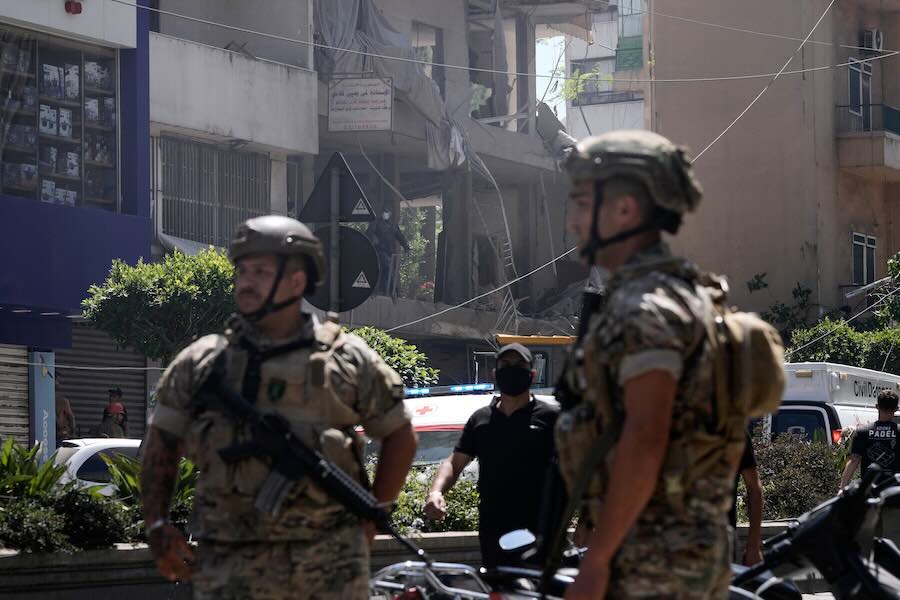
But the memorandum of understanding over the war already faced intense challenges. Israel’s continued hostilities with the Iranian-backed militia Hezbollah in Lebanon, where Israel bombed Beirut’s southern suburbs Sunday, nearly derailed the negotiations.
Meanwhile, the deal gives just 60 days to resolve what to do about Iran’s stockpile of highly enriched uranium and its atomic program. That took years to resolve in Tehran’s 2015 nuclear deal with world powers. U.S. President Donald Trump unilaterally withdrew America from that accord in his first term, setting the stage for the tensions that culminated in the war.
“Congratulations to all!” Trump wrote on social media as he celebrated his 80th birthday Sunday with a UFC cage match fight at the White House.
He added, “I hereby fully authorize the toll free opening of the Strait of Hormuz, and, simultaneously herewith, authorize the immediate removal of the United States Naval blockade,” which was imposed in retaliation for Iran’s grip on the crucial waterway.
He soon hedged, however, saying the strait wouldn’t open until Friday’s signing.
Iran’s deputy foreign minister, Kazem Gharibabadi, confirmed the agreement on state television but said Iran would not start implementing it until it was signed Friday. He said the deal followed talks with Qatar, another mediator.
Israel, which has insisted it be allowed a freehand to pursue Hezbollah as it occupies southern Lebanon and has extended its military operations into areas its forces haven’t been in a quarter century, did not immediately comment. Israel joined the U.S. in launching the war on Feb. 28.
Benchmark Brent crude oil fell more than $3 a barrel on the news as Asian stock markets rallied.
Pakistan, a key mediator, announces deal
Pakistan first announced the deal, with Prime Minister Shehbaz Sharif saying “both sides have declared the immediate and permanent termination of military operations on all fronts, including in Lebanon.” He added that mediators this week will facilitate meetings to “lay the foundation for the technical talks.”
Broader negotiations on outstanding issues like Iran’s nuclear program would continue over the next 60 days, two senior Pakistani officials said earlier Sunday, speaking on condition of anonymity because they were not authorized to discuss the matter publicly. If the sides fail to reach a resolution within that time, the timeline could be extended.
Iranian state television cited the secretariat of the Supreme National Security Council saying the war on all fronts “will end immediately and permanently beginning tonight” — but that the U.S. blockade “will be terminated immediately and in full.”
Qatari mediators later left Tehran following 17 hours of negotiations, said an official briefed on the developments who spoke on condition of anonymity due to sensitivity of the talks. Separate preparatory meetings with each side will take place in Doha this week, the official said.
It was not clear who from Iran would sign the deal on Friday. U.S. Vice President JD Vance told Fox News the White House was still figuring out who would attend: “I certainly plan to be there, but it’s possible the president himself could be there.”
But concern among Republicans in the U.S. already could be seen. They included U.S. Sen. Lindsey Graham of South Carolina, who described Vance as “the architect of the deal.”
“I am somewhat concerned that Iran’s view of the agreement seems different than what the American negotiating team is claiming,” Graham wrote online.
Interim deal faces intense scrutiny
The first strike of the war killed Iran’s supreme leader, Ayatollah Ali Khamenei, and Khamenei’s son, Ayatollah Mojtaba Khamenei, is now supreme leader. He has not been seen in the public since the war began, but his approval was needed for Iran to sign off on the deal.
There was apparent friction inside Iran in the hours before the announcement, as the government warned that division at home over the deal weakened its negotiating position.
The deal likely returns the region to a status that existed before the war, but with thousands of people dead and Iran wielding a new source of negotiating pressure with its ability to influence shipping in the strait. The waterway is crucial to significant shipments of oil, natural gas and related products like fertilizer, and its effective closure rocked the global economy.
Even with a deal, it will take months for oil and gas supplies to flow freely enough for the world’s needs to be met because shipping and insurance companies want to be confident the agreement will last, energy experts said.
Tehran also still has a ballistic missile arsenal and enough highly enriched uranium to build several nuclear weapons, should it choose to pursue them.
Iran has long maintained its nuclear program is peaceful and has not publicly committed to giving up the enriched uranium, which is believed to be buried under three nuclear sites that were badly damaged by U.S. strikes last year.
The U.S. has sought the removal of the enriched uranium from Iran as part of a deal. Russia has offered to take it. But Iran insists it wants to keep the uranium.