



ICE, other federal agencies had access to Idaho city’s license plate readers
Published at
Carolyn Komatsoulis, Idaho Statesman
NAMPA (Idaho Statesman) — On June 15, ICE employee Garrett Rutherford logged into Nampa Police Department’s automated license plate reader system (similar to Flock but a different brand) late at night, according to data obtained via a records request. Rutherford ran five searches on the technology and viewed three plates, though portions of the document were redacted by Nampa’s records staff.
The next day, Rutherford was back around 7 a.m. searching for and viewing plates, part of over 100 searches run by Immigration and Customs Enforcement and the Drug Enforcement Administration between June 1 and July 31 using a controversial technology that critics have said is an unacceptable level of mass surveillance.
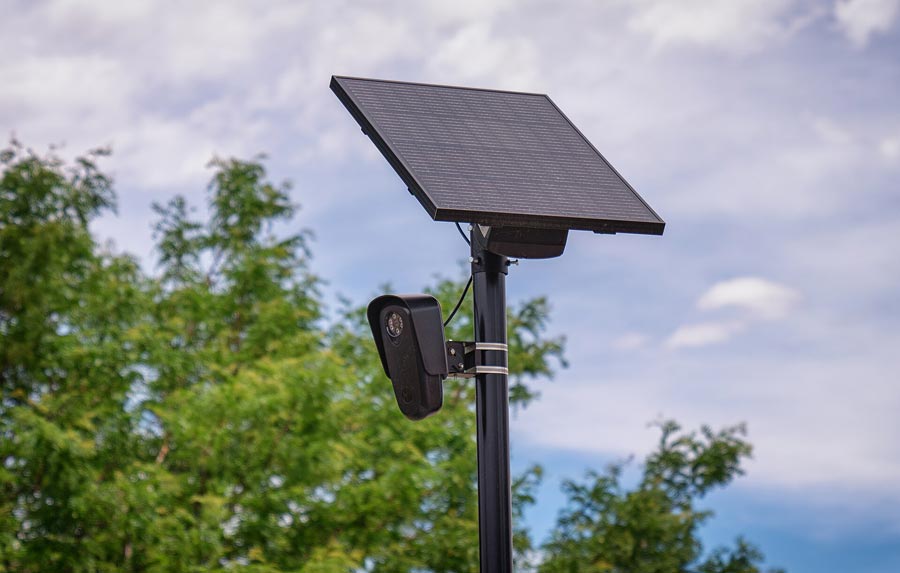
The technology, called automated license plate readers, uses cameras to capture pictures of license plates and store the associated information in a database, according to the American Civil Liberties Union. Police typically use that information to “track cars in real time and to track the past locations of cars,” the ACLU said. Nampa keeps its data for 60 days, according to its records division.
ICE, which entered into its agreement with Nampa on Oct. 9, 2025, wasn’t the only federal agency with access, Nampa Police Lt. Chad Shepard told the Statesman. Nampa Police in 2023 authorized local agents of the Drug Enforcement Administration and the U.S. Marshals Service to use the system, Shepard said. The most recent addition, the FBI, signed up on July 30. Shepard said only Idaho-based federal agents had access, not the entirety of the federal agencies.
But by Aug. 20, Shepard said Nampa Police had terminated those agreements after seeing public furor over the technology and reviewing Idaho code, which says only an agency’s authorized personnel should have access to the data. The code defines an agency as the state of Idaho, any political subdivision of the state or any agency thereof. Nampa Police also cut off the Oregon State Police, Shepard said.
“We had questions about it, so we felt it was safer to shut it down…keep it in the state of Idaho,” Shepard said in a phone interview. “…We are doing our best to ease any concerns and stay in compliance with state code.”
Idaho code also says that agencies using the readers have to follow certain rules, including that the device and its data can’t be used for any purposes other than investigating felony or misdemeanor crimes, traffic accidents or searching for missing or endangered people.
But the question of immigration status is a civil matter, said Neal Dougherty, one of the founding partners at Boise-based Burnett & Dougherty. Not every plate searched for and viewed by ICE may have belonged to a target of immigration authorities.
“They are using these tools that are supposed to exist for enforcement of criminal violations and infractions,” Dougherty said in a phone interview. “That seems like a significant waste of resources, overreach and a violation of our privacy rights.”
Asked about that code section, Shepard referred the Statesman to ICE.
But cutting off the federal agencies wasn’t all. A day or two later, Nampa Police shut down more than 500 agreements with police departments nationwide, Shepard said, that allowed those other departments to search a plate and receive a notification if there’s a hit in Nampa.
Sandra Barker, a spokesperson for the FBI, declined to comment. In a statement, an ICE spokesperson said information sharing “is essential to identify who is in our country, including violent criminals, and determine what public safety and terror threats may exist.”
“Like other law enforcement agencies, ICE employs various forms of technology to investigate criminal activity and support law enforcement efforts while respecting civil liberties and privacy interests,” the spokesperson said.
Some Idaho agencies, however, still have access, Shepard said, including Ada County, Boise Police, Caldwell Police, Lewiston Police and Meridian Police.
This all began when Nampa Police started testing a brand of plate readers called Rekor in 2021, Shepard said, and initially installed the devices in 2022. The Police Department originally bought 25 devices for $30,000 and an ongoing annual subscription of more than $24,000, Shepard said.
In May 2025, the department implemented eight Motorola devices, purchased for more than $46,000 with around $7,000 in ongoing annual cost, according to Shepard.
As of now, 27 intersections in Nampa have automated license plate readers. But these plate readers offer an opportunity for abuse. In Jerome County, a sheriff had used the Flock cameras to search for his wife’s car hundreds of times, according to KMVT. The sheriff ultimately retired, according to the outlet.
RELATED | Tort claim, vandalized cameras and eastern Idahoans up in arms about Flock cameras
However, Idaho Attorney General Raúl Labrador said his office couldn’t prove a crime and didn’t have the authority to prosecute that sheriff, according to the Washington Post.
Flock cameras, in particular, have been under increasing scrutiny in recent months, prompting the company to make changes to its platform. Its CEO, Garrett Langley, in a recent interview on Fox News, called for “compromise” between privacy and safety.
In the Gem State, the group DeFlock Idaho has been leading the crusade against the technology. A co-founder, Tyler Cain, has filed tort claims over the tech in Wilder and Caldwell and collected signatures to force Wilder’s City Council to vote on removing the cameras. Nampa does not use the Flock brand. In Nampa, federal agents had the ability to log in and do the searches they wanted, according to Shepard. Nampa Police conducted audits and spot checks of the federal agencies’ searches, Shepard said.
Asked if the agency ever turned up anything problematic, Shepard said “not from where we can see, no.”
Down south in Twin Falls, anti-Flock advocates discovered immigration searches. A month after the searches, the police department changed its policy to prevent outside agencies from using the system, according to the Idaho Capital Sun.
But many remain skeptical.
Rebecca De León, spokesperson for the ACLU of Idaho, said evidence around the country of ongoing privacy violations related to police use of the technology, including law enforcement sharing data with ICE, “should be deeply troubling to absolutely everyone.”
“We at the ACLU believe there are no changes that can be made to a dangerous mass surveillance system that would turn it into a system that is fully protective of civil rights and civil liberties,” De León said.
Politicians around the country are jumping on the anti-license plate reader bandwagon and Idaho is no exception. On Monday, U.S. Rep. Russ Fulcher, R-Idaho, announced he was cosponsoring a bill to limit federal law enforcement agencies’ use and storage of data from technology like license plate readers.
“It’s simple: if the federal government wants to access state and local systems’ data on citizens, they need to get a warrant,” Fulcher said in a news release.
Shepard, with the Nampa Police Department, said the people attacking automated license plate readers are “very vocal,” but their claims of mass surveillance and Fourth Amendment violations aren’t true.
“Law enforcement’s objective is, and always has been, to serve our community and victims to the best of our ability,” Shepard wrote in a follow-up email. “The tools we use may change with the times, but so does crime, and we are struggling to keep up. If the community chooses to erode our capabilities, we will eventually lose the fight to protect them.”