



Two tomato viruses that ruined your crop this year
Published at
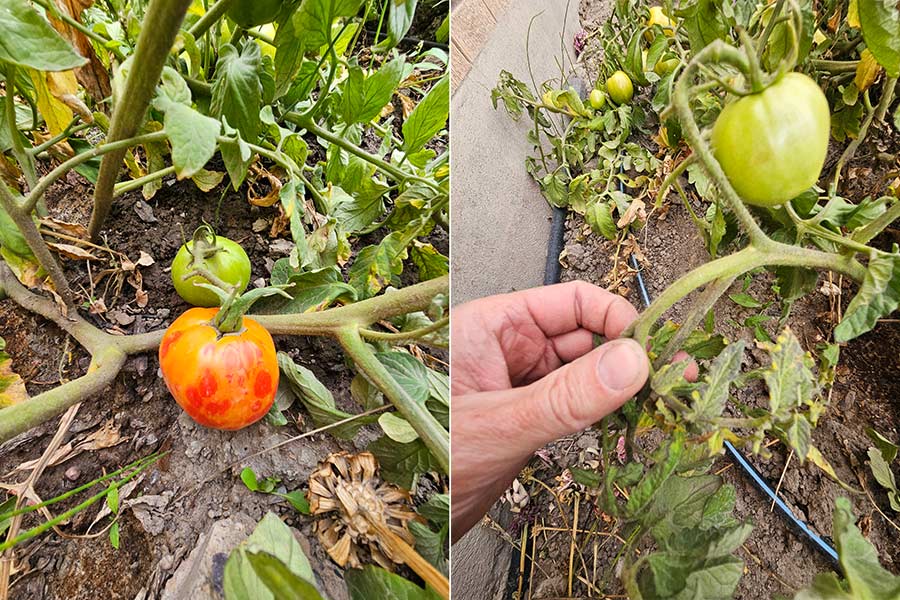
This growing season, I’ve encountered more tomato diseases, particularly virus issues, than in my entire gardening experience. I can’t cover everything in this article, but I will highlight a couple of key points.
First, I want to stress the importance of maintaining records and properly tagging and labeling your plants. When I’ve been called to inspect tomatoes this year, I often ask about the varieties they have. If I’m lucky, I receive a list of the varieties purchased. However, many people struggle to identify which individual plants belong to which variety. Don’t rely on those flimsy plastic tags; they may last while the plants are at the nursery, but if you’re fortunate, they might survive a season outside.
My most recent visit was different, though. Because this gardener had properly labeled her tomatoes, I could use the disease resistance—or lack thereof—of those specific varieties to aid in my diagnosis.
Because of the complexity of viruses, vectors and genetics you see a lot of acronyms with this work so let me get them listed now and you can refer to them as needed.
Viruses: Tomato Spotted Wilt Virus (TSWV), Beet Curly Top Virus (BCTV)
Vectors: Beet Leaf Hopper (BLH), Western Flower Thrips (Thrips) transmit the TSWV
Tomato Varieties — reputable suppliers will list the various disease acronyms in the variety information to indicate resistance is had by that variety to the listed diseases.
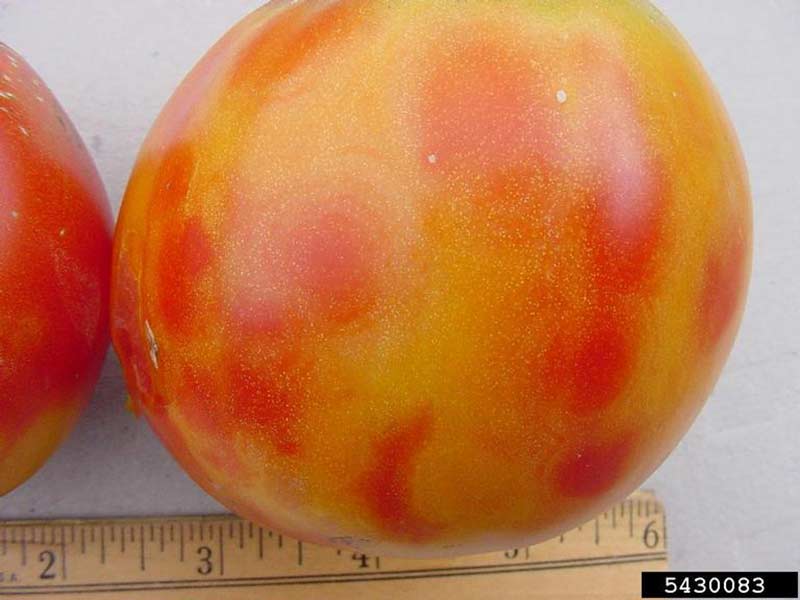
Tomato spotted wilt virus
Originally a problem in the southern United States, TSWV has now become a problem in more northern regions, as we have seen this year. Thrips spread the virus, so controlling the pests is important. The disease starts with small, dark spots on the newer leaves, with dark streaks later forming on stems. Mature fruit develops extreme mottling in red, orange, or yellow.
Some of the resistant varieties include:
- Celebrity Plus
- Big Beef Plus
- Early Girl Plus
- Black Angel
- Galahad
- Granadero (added bonus of low susceptibility to blossom end rot)
Beet Curly Top Virus
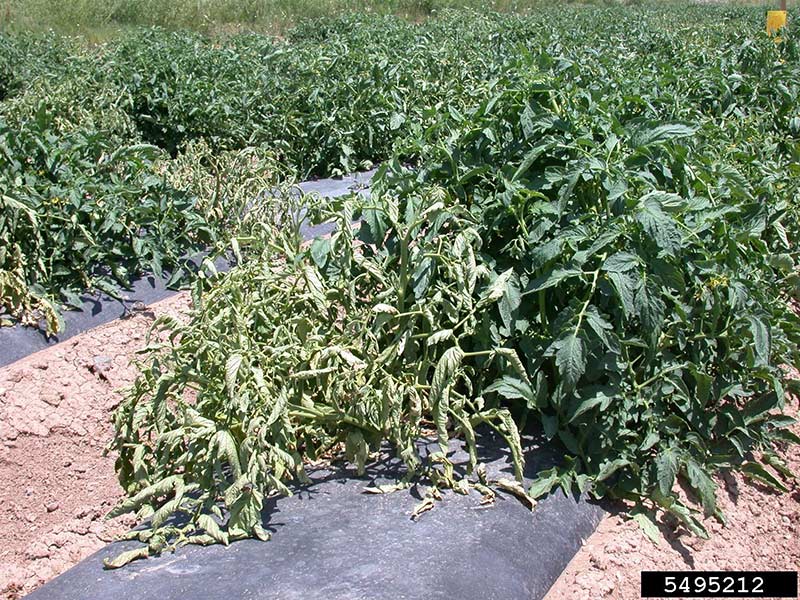
There are no commercially available tomato varieties with true or complete resistance to BCTV. Most standard tomato varieties are fully susceptible to the virus, though there are about three strains of the virus with different levels of severity.
BCTV infected tomato plants will often exhibit purpling of veins, that are often enlarged. Young tender leaves at active growing points will often show strong purpling symptoms as well.
Researchers at Utah State University placed row covers over half of the plants in a study as a way to exclude leafhopper feeding. BLH activity was monitored both inside and outside the covers using yellow sticky traps. There were six times more BLHs outside the row covers than inside the covers. None of the covered plants showed BCTV symptoms and five of the uncovered plants were symptomatic. Row covers appear to be an effective way to prevent BCTV.
Prevention
- Control weeds: Clear weeds around garden perimeters to eliminate alternate breeding and overwintering sites for leafhoppers (BCTV) and thrips (TSWV)
- Remove infected plants: Pull up and trash any symptomatic plants immediately to prevent further stress on the garden. You have to cull plants ruthlessly, though neither virus spread directly from plant to plant at least not easily, they still provide a reservoir of disease.
- Plant resistant varieties: Pay attention to the varieties you choose and look for varieties that show resistance