



Record heat and dwindling reservoirs leave Idaho bracing for another tough water year
Published at
IDAHO FALLS – Idaho’s 2026 water year was a record-breaking one, but in this case, that’s not a good thing.
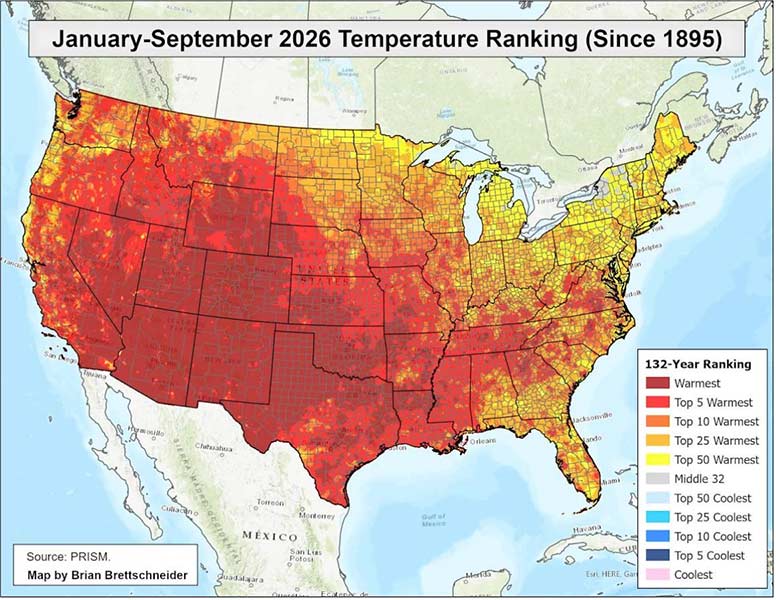
A water year runs from October 1 to Sept. 30. Data from the National Weather Service in Pocatello shows that Idaho, along with most of the western United States, experienced the hottest year in history.
The map below provides nationwide temperature data from January to September. It shows the Gem State overall had record-breaking temperatures in that timeframe and most of the state experienced the hottest or top five warmest temperatures ever.
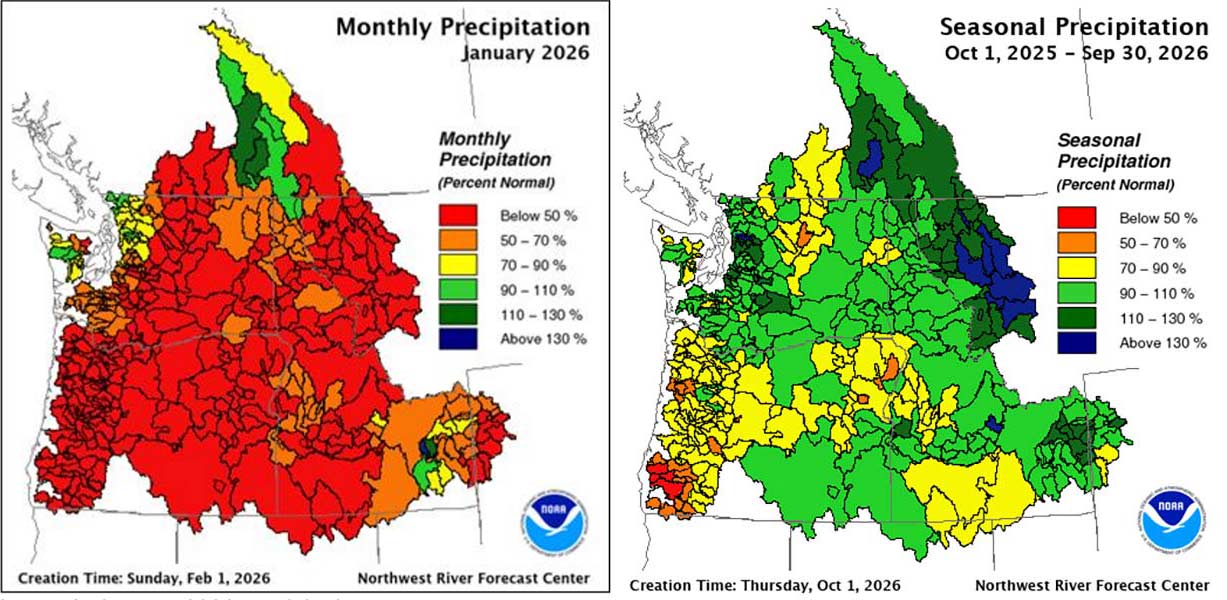
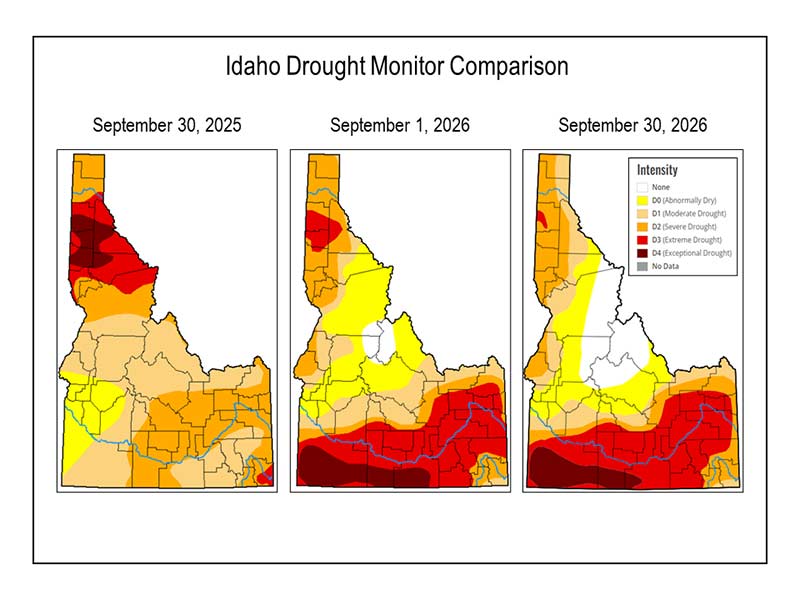
While precipitation levels statewide over the last year were 90-110% of normal overall, most of Idaho was below 50% of normal last winter. The southern half of the state began the water year in 2025 in a moderate to severe drought. As of September 30, the drought level has intensified. Most of the southern portion of Idaho is under extreme drought conditions.
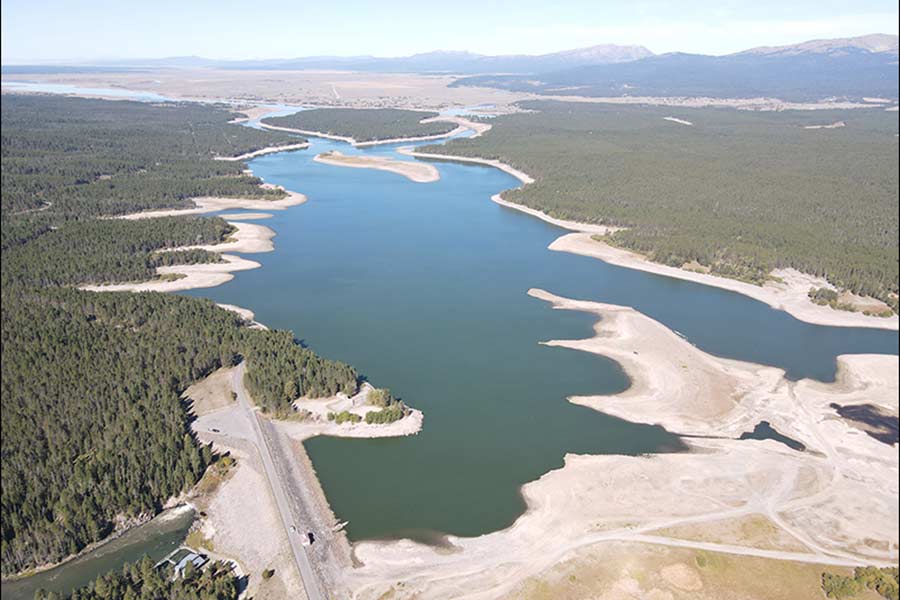
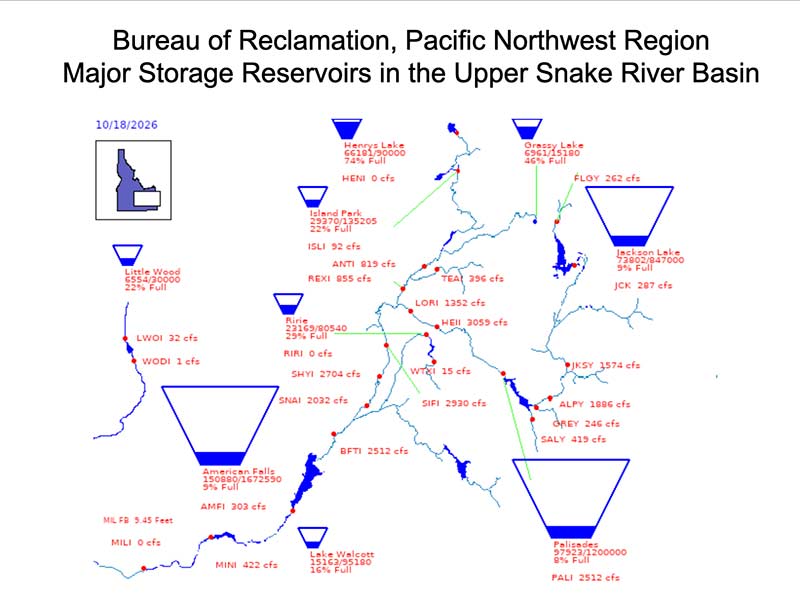
While reservoirs were at 75-80% of capacity last year at this time, they’re now at an all-time low. The U.S. Bureau of Reclamation reports that some of the major storage reservoirs in the Upper Snake River Basin — including Palisades, American Falls and Jackson Lake — are 8-9% full.
Amid these conditions, the winter weather outlook doesn’t look promising. In September, the NWS released its three-month outlook for December, January and February. It showed a potential for higher-than-normal temperatures during that time and an equal chance of rain and snowfall being above or below normal.
RELATED | Idaho’s reservoirs hit historic low as winter outlook raises more water worries
“This outlook is based on the forecast of having a strong El Niño year. El Niño is strengthening, with a greater than 90% chance of a very strong event during the Northern Hemisphere fall and winter 2026-27,” the agency wrote in a Facebook post dated September 12.
During an El Niño, warm water from the Pacific Ocean is pushed towards the west coast of the United States, creating a warming trend. This runs counter to typical climate patterns, according to the National Oceanic and Atmospheric Administration. An El Niño happens every two to seven years, on average, and typically lasts nine to 12 months.
Sherrie Hebert, the climate program lead at the NWS’s Pocatello office, tells EastIdahoNews.com that unless something changes, Idaho could face even worse water shortages next spring.
“If the snow doesn’t make it’s way into Idaho this winter, we will definitely be in worse shape,” Hebert says. “Regarding how much snow it will take to get us at least back to normal is a good question. Fingers crossed that we have hit the bottom and begin to head in the right direction.”
Rob Van Kirk, science and technology director for the Henrys Fork Foundation in Ashton, told us in September that the last time the reservoirs approached the 2026 low was in 1993. He says record snowfall that year, combined with cool conditions in the spring and summer, resulted in low irrigation demand, which helped replenish the reservoir system.
Based on weather data over the last 40 years, Van Kirk says the chances of having above-average snow this winter are really slim. And even if there is a lot of snow, he says it won’t be enough to fill the reservoirs.
“It’s highly unlikely that we’ll get the cold and wet weather we need to fill the system,” Van Kirk says.
‘Pray for an old-fashioned winter!’
Despite the dry conditions this irrigation season, many farmers say they fared better in 2026 than they expected. Getting through the growing season forced many producers to make significant cutbacks, which negatively impacted crop yields.
RELATED | Eastern Idaho spud harvest underway as farmers grapple with drought, heat
The 2024 Stipulated Mitigation Agreement is a four-year plan that gives surface and groundwater users an allotment based on Idaho’s prior appropriation doctrine. Under Idaho law, surface water users have senior water rights, and groundwater users are required to have a plan to recharge the Eastern Snake Plain Aquifer during periods of shortage. There are no opportunities for recharge amid the shortage.
As irrigators renegotiate the mitigation agreement for next year, many fear additional cutbacks are coming.
RELATED | Idaho’s water crisis is forcing farmers to get creative. Could this soil ‘sponge’ help?
“The more strained the overall system is, the more cuts we need to make so that we can stabilize the aquifer,” says Adam Young, a Bingham Groundwater District board member who farms about 2,600 acres in Blackfoot.
The historic drought is a major issue legislators are working to solve. Sen Kevin Cook, R-Idaho Falls, has a longterm goal to have 750,000-acre-feet of water storage by 2100.
The U.S. Bureau of Reclamation recently began a two-year study of the Upper Snake River Basin looking into potential water storage projects. Congressional approval will be needed to fund any solutions. Cook is leading a trip to Washington, D.C. next month to discuss funding with Idaho’s Congressional delegation.
Meanwhile, Rep. Jerald Raymond, R-Menan, says legislation will not address the immediate need for water and says “prayer is our best hope!”
“Pray for an old-fashioned winter!” Raymond says.
This weather-related story is brought to you by Pony Express Car Wash, Idaho's premier express car wash destination, renowned for its commitment to exceptional service and quality. Voted the No. 1 car wash company in Idaho for five consecutive years, we pride ourselves on delivering an unparalleled experience for every vehicle and customer. Our state-of-the-art facility utilizes name-brand soaps and cutting-edge equipment to ensure your car receives the ultimate clean. Established in eastern Idaho in 2019, Pony Express is proud to be a locally owned and operated company that caters to the unique car washing needs of our Idaho Friends and neighbors. We invite you to experience the difference at Pony Express, where your satisfaction is our ultimate goal.