



Get big juicy raspberries with these research backed tips
Published at
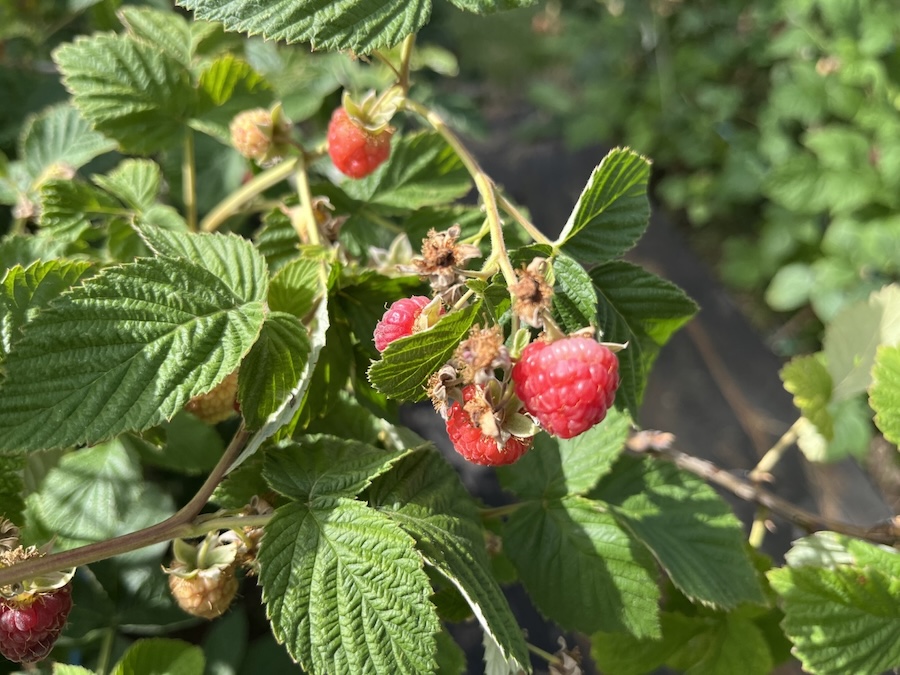
My raspberries are coming on strong right now, and I know many others around the region are seeing the same. One of the most common questions I hear this time of year is, “Why are my raspberries so small? My neighbor’s are huge!”
If you’ve ever dreamed of growing plump, flavorful raspberries in your garden, the good news is—with the right approach, you can.
Raspberries are a favorite among home gardeners for their sweet-tart flavor, nutritional value, and reliable perennial production. But growing big, juicy berries—especially in East Idaho’s short, sunny growing season—takes a bit of planning and know-how. The following best practices, drawn from university research, will help you get the most from your patch while managing common pests and diseases.
Choose the right site and soil
Raspberries thrive when they receive at least 6 to 8 hours of direct sunlight each day. They prefer well-drained, slightly acidic soil with a pH between 5.5 and 6.5. In heavier or clay-rich soils, using raised beds or mounded rows can significantly improve drainage and reduce the risk of root rot. Avoid planting in frost pockets—low-lying areas where cold air settles—or in spots with poor air circulation, as both can negatively impact plant health. Before planting, be sure to amend the soil with compost or other organic matter to encourage strong root development and healthy growth.
Select the right variety
There are two main types of raspberries: summer-bearing and fall-bearing. Summer-bearing types produce one large crop in early summer — right about now — while fall-bearing (also called everbearing) varieties offer a second harvest in late summer to early fall. Fall-bearing types are particularly useful in areas with unpredictable spring frosts, since they fruit on first-year canes.
For East Idaho’s climate, it’s important to choose cold-hardy, high-yielding varieties that can handle short-growing seasons and harsh winters. Great summer-bearing options include ‘Boyne’, which ripens early and produces sweet, medium-sized berries; ‘Latham’, a long-standing favorite known for its adaptability and good flavor; ‘Killarney’, which offers bright red, firm fruit with some resistance to sunscald; and ‘Nova’, a vigorous and productive variety with solid disease resistance and cold tolerance.
If you prefer fall-bearing raspberries, consider ‘Joan J’, an early-ripening, thornless variety with large, sweet fruit; ‘Polana’, a compact, productive option that ripens early and thrives in short-season climates; or ‘Autumn Bliss’, which produces flavorful berries on shorter canes beginning in mid to late summer. While ‘Heritage’ and ‘Caroline’ are also known for excellent flavor and productivity, they ripen later and may require protection from early fall frosts in higher-elevation areas.
By choosing varieties suited to your local climate and harvest goals, you’ll give yourself the best chance for a consistent, flavorful raspberry crop year after year.
Planting and care
Soil amendments should be incorporated before planting to create a nutrient-rich environment for your raspberries. When setting out plants, space them 2 to 3 feet apart within rows, with 8 to 10 feet between rows to allow for good air circulation and ease of harvest. Using a trellis system helps improve airflow around the plants and keeps fruit off the ground, reducing disease risk. Drip irrigation is ideal because it delivers water directly to the roots while minimizing moisture on the leaves, which helps prevent fungal diseases. Maintaining consistent soil moisture is especially important during fruit set, but be careful not to overwater, as soggy soil can lead to root problems.
In early spring, apply a balanced fertilizer to support healthy growth. Avoid over-fertilizing with nitrogen, since excessive nitrogen encourages lush leafy growth at the expense of fruit production and can weaken canes.
Pest management
Spotted Wing Drosophila (SWD)
SWD is a small invasive fruit fly that poses a serious threat to raspberries and other soft fruits. Unlike other fruit flies, female SWD can lay eggs inside ripe or ripening fruit, causing the berries to quickly soften, collapse, and rot from the inside out. Infested fruit often looks bruised or leaking and may attract secondary pests or mold.
To prevent and control SWD, it is important to monitor with traps early in the season. Harvest fruit frequently—every one to two days during the peak season—to remove ripe berries before SWD can lay eggs. After harvest, refrigerate berries immediately to slow larval development. Additionally, removing overripe or dropped fruit from the ground reduces breeding sites. When practical, using fine mesh netting or row covers can help exclude flies. In severe infestations, targeted insecticides may be necessary but always follow chemical labels carefully.
Cane Borers
Cane borers are insects that tunnel inside raspberry canes, weakening them and causing wilting or “flagging” of leaves and shoots. This damage can reduce fruit yield and even kill canes if infestations become severe.
To manage cane borers, prune out and destroy any damaged or wilting canes during the dormant season. Avoid excessive nitrogen fertilization, as lush canes are more attractive to these pests. Maintaining overall plant health also helps reduce the risk of infestation. Encouraging natural predators such as parasitic wasps can provide additional control.
Spider Mites
Spider mites are tiny arachnids that feed on the underside of raspberry leaves, sucking out plant juices. Their feeding causes stippling—tiny pale spots on leaves—leaf bronzing, and premature leaf drop, which weakens the plant by reducing photosynthesis.
Spider mite populations can be managed by regularly scouting plants, especially during hot, dry weather when mites thrive. Using a strong water spray to knock mites off leaves can be effective. Encouraging beneficial predatory mites and insects also helps keep spider mites under control. It is important to avoid excessive use of broad-spectrum insecticides that kill these natural enemies. Miticides should only be applied if mite populations reach damaging levels and always according to label instructions.
Prevention of Sunscald
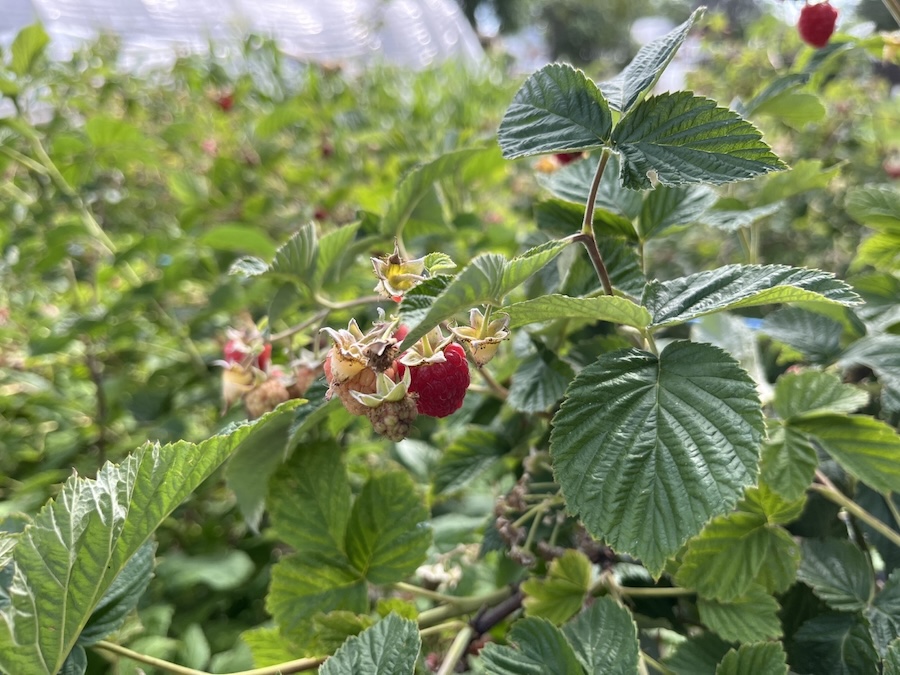
If you’ve ever noticed raspberries with pale or white sections, you’re likely seeing white drupelet disorder, which is caused by intense sun and wind exposure. Although this is a common cosmetic issue rather than a disease, it can affect the quality and appearance of the fruit. To prevent white drupelet disorder, maintain healthy leaf coverage during hot weather and consider using a shade cloth when necessary. A 30% shade cloth typically reduces sunlight intensity—and therefore heat—by about 30%, which can lower temperatures under the cloth by roughly 5 to 10 degrees Fahrenheit compared to full sun conditions.
Growing big, juicy raspberries in East Idaho is entirely possible with the right combination of site selection, variety choice, proper planting, and attentive care. By following these research-backed tips—from selecting cold-hardy varieties suited to our climate to managing pests like spotted wing drosophila and preventing sunscald—you’ll be well on your way to enjoying a bountiful harvest of flavorful berries.
Remember, raspberries thrive when they receive plenty of sun, have well-drained soil, and benefit from good airflow and moisture management. Regular monitoring and timely interventions are key to keeping your plants healthy and productive season after season.