



State finds systemic problems in Soda Springs special education programs
Published at
Emma Epperly, Idaho EdNews
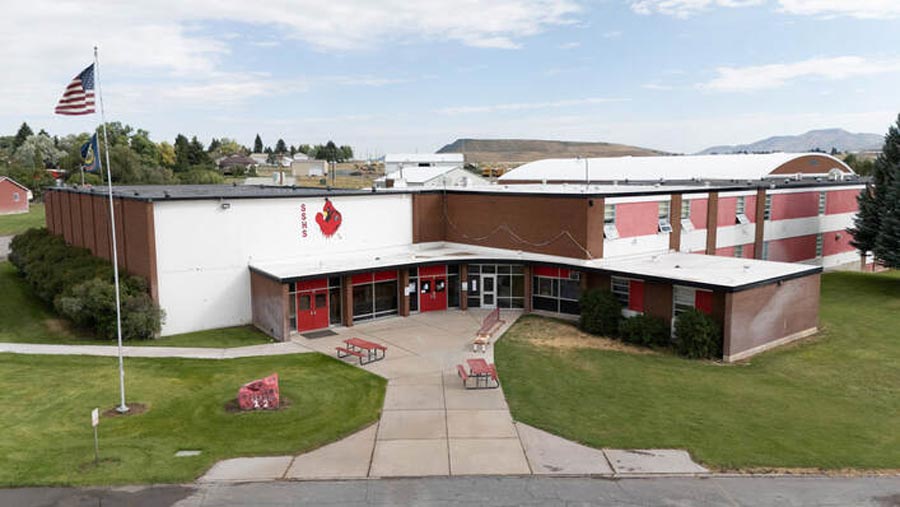
SODA SPRINGS (Idaho EdNews) — Soda Springs Joint School District has systemic problems with its special education programs, an investigation by the Idaho Department of Education found.
The department opened the investigation in April after receiving four separate complaints related to individual students.
The report, released last month, had three allegations, all of which were founded.
The report found:
- The district’s classroom personnel, related service providers and paraprofessionals did not have necessary qualifications before providing services to students.
- Special education and related services were not made available to students in accordance with students’ individualized education programs (IEPs).
- Students IEPs were not in effect as required and each service provider was not informed of their specific responsibilities related to implementing IEPs and specific accommodations, modifications and supports.
Now, the district must follow a corrective action plan that includes hiring additional personnel, providing training, creating new staffing plans and protocols and complying with documentation and monitoring reports.
Soda Spring Superintendent Scott Muir did not respond to multiple requests for comment and a list of questions from EdNews.
The report comes as special education is set to dominate education discussions during the upcoming legislative session. Superintendent of Public Instruction Debbie Critchfield said she hopes to address the $80 million gap between what districts currently spend on SPED and the funding schools receive from the state and federal government.
Critchfield’s plans to address the funding gap were shot down by legislators earlier this year.
At a Critchfield post legislative session tour this spring, Muir asked IDE leaders why legislators oppose additional special education funding.
“As we see the rise in special education, and we cannot meet the needs, now we’re going to see advocates and lawyers stepping into the process and school districts are going to suffer for that,” he said.
The investigation
To complete their investigation, the department of education reviewed:
- The four student complaints and supporting documentation.
- The district’s documents and responses to those allegations.
- 30 SPED files selected and provided by Soda Springs.
- In person and video interviews with the complainants and parents, along with, elementary, middle and high school special education, general education, and administrative staff.
- Telephone conversations and emails with the district’s special education director.
- A review of the district’s compliance with the Individuals with Disabilities Education Act (IDEA), federal regulations and case law and the Idaho Special Education Manual.
The findings
Investigators separated their general findings by school. All three schools in the district are at capacity.
At the elementary school, which serves grades K-4, the department found that some students’ special-designed education programs didn’t align with their eligibility reports or there wasn’t one in their file. Some student files did not have required progress reports for previous or current IEPs.
There was a general lack of documentation in some student files. The failure to maintain IEP documentation was attributable to a lack of staffing, inadequate time to train paraprofessionals and the number of students served without adequate support, according to the report.
The learning lab, which served students with IEPs, didn’t have enough paraprofessionals. While lesson plans were created, they were “seldom” delivered to students. The paraprofessionals staffing the lab turned over more than twice during the 2024-25 school year.
Similar issues with a lack of progress reports and eligibility reports in student files were found at the middle school, which served grades 5-8.
There the resource room was staffed by an interim certificated special education teacher, in her first year of teaching. The paraprofessionals in her room received no specific district training, instead relying on the first-year teacher to provide paraprofessional training, direct instruction and manage the resource room without mentorship.
At times her classroom was up to 16 students. The classroom lacked physical space for required small group and individual instruction.
When that teacher was absent, uncertified paraprofessionals were used as substitutes.
At the high school, there were similar issues in documentation to the elementary and middle schools.
The high school resource room was understaffed, the report found. The district did not provide curriculum for daily lesson plans, leaving the SPED teacher to find curriculum resources and draft lesson plans from scratch for each class period.
This led to lesson plans not being uniformly developed and provided to paraprofessionals and substitutes. In addition to the usual students in the resource room, other students who were eligible for special education services would drop-in unannounced to complete general education testing for have test read to them.
Overall, the district did not hire enough paraprofessionals. The teachers and paras they did hire, lacked support, mentorship and training to succeed, the report found.
The report found that employees did the best with what they had but many left the district after the 2024-25 school year. The district ended the year vacancies in the high school special education position, two elementary SPED positions, and the district special education director.
Staff did not have enough physical space for the number of students requiring specially designed instruction. The district also did not have a framework to ensure IEPs were implemented.
“The District failed to have policies, procedures, or practices in place to ensure that Students’ IEPs were in effect as required and that the specific accommodations, modifications, documentation, data, and supports were provided in accordance with each Student’s IEP,” the report reads.
Corrective action plan
Soda Springs must follow a plan to return to compliance with IDEA.
The district must have a team consisting of the superintendent, school principals, SPED director, a special education case manager and related services provider meet with a Idaho Special Education Support and Technical Assistance coordinator to review and complete training.
The district team then has to upload an action plan by August 22. The team will meet with their assigned coordinator monthly to review implementation steps and progress of their plan throughout the 2025-26 school year.
The district had to submit a finalized staffing plan by August 1 to ensure recruitment and retention of qualified SPED personnel. The district must submit training outlines and protocols and have the school board chair provide a letter of assurance that they are aware and agree with the plan by Sept. 1
The district then has to document monthly hiring efforts.
Once the IDE receives documentation and the district has completed the corrective action plan, the complaint will be formally closed.
This article was originally posted on IdahoEdNews.org on Aug. 21, 2025.