



‘Hope came’: Local Venezuelans speak on Maduro’s capture, approval of Trump’s military action
Published at | Updated at
IDAHO FALLS — Following this weekend’s incursion in Venezuela, and the capture of Venezuelan leader Nicholas Maduro and his wife, Cilia Flores, by the United States, several local Venezuelans reached out to EastIdahoNews.com to tout their support for the bold political move.
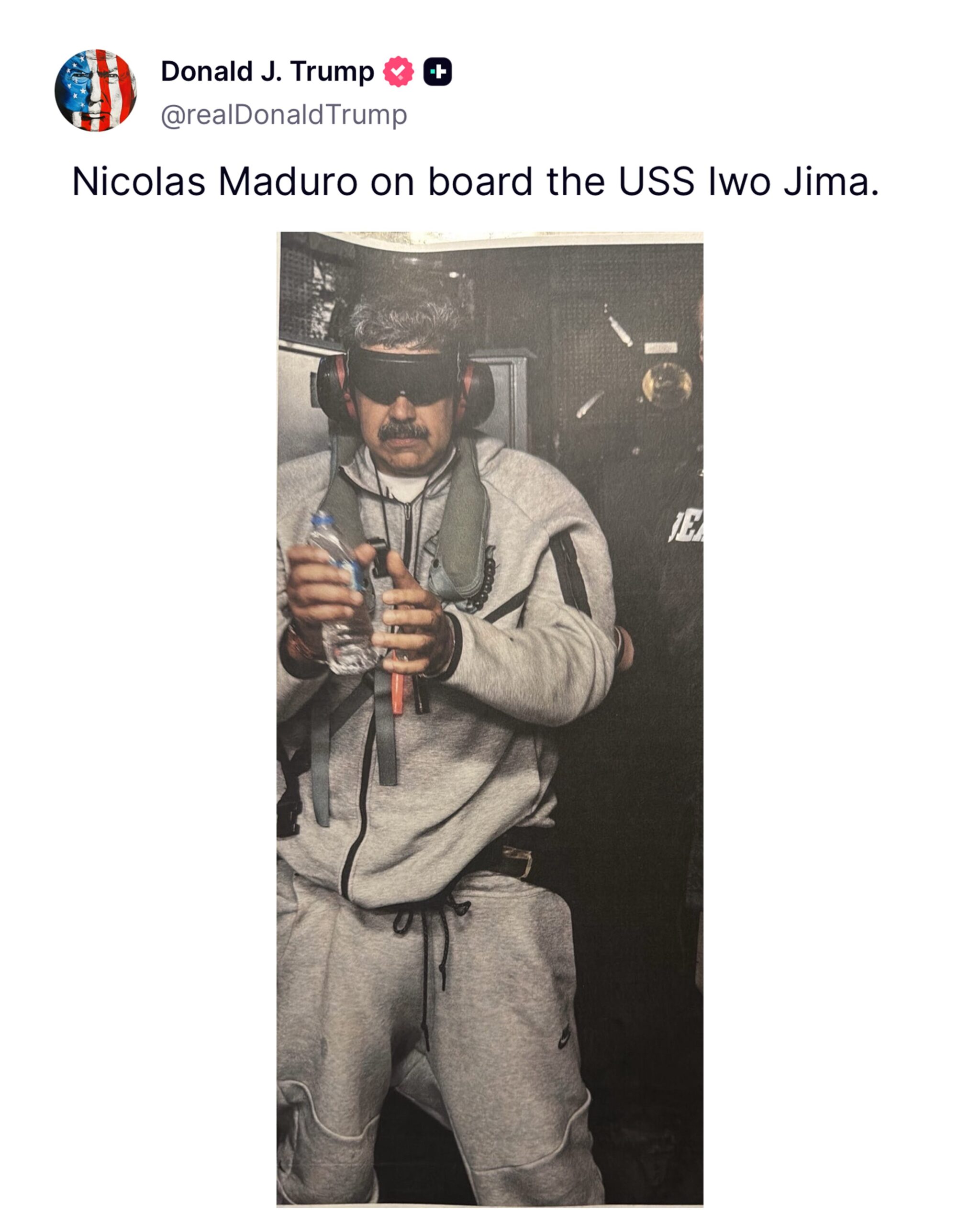
Maduro and Flores appeared in court in New York on Monday, where he pleaded not guilty to federal drug trafficking charges, according to The Associated Press.
RELATED | Maduro says ‘I was captured’ as he pleads not guilty to drug trafficking charges
Since the operation, President Donald Trump on Saturday announced that the U.S. would “run” Venezuela for the moment.
EastIdahoNews.com spoke with two local Venezuelans about their experiences in the country, the reasons behind their departure and their reactions to Maduro’s capture. One of the interviews has been translated from Spanish to English by this reporter.
Early morning attack
On Saturday, after the U.S. began its operation to capture Maduro, Almedis Mueller of Carupano, Venezuela, now living in Idaho Falls, told EastIdahoNews.com that she started receiving messages from family about what was happening around 2 a.m.
“We were crying on the phone, but also very happy,” Mueller said. “Crying and even singing the national anthem. … We approve (President Trump) showing great courage in doing this because hope in us was almost dead that something like this could happen.”
Javier Hurtado, from Barquisimeto, Venezuela, now living in Rexburg, said his family had been expecting this to happen due to the ongoing tensions between the U.S. and Venezuela over the past few months.
However, the timing was a surprise to him, as he had believed something like this might occur before the new year.
“We were watching a movie as a family, and suddenly we received a call from one of our relatives down in Venezuela, and then another call from another friend,” Hurtado said.
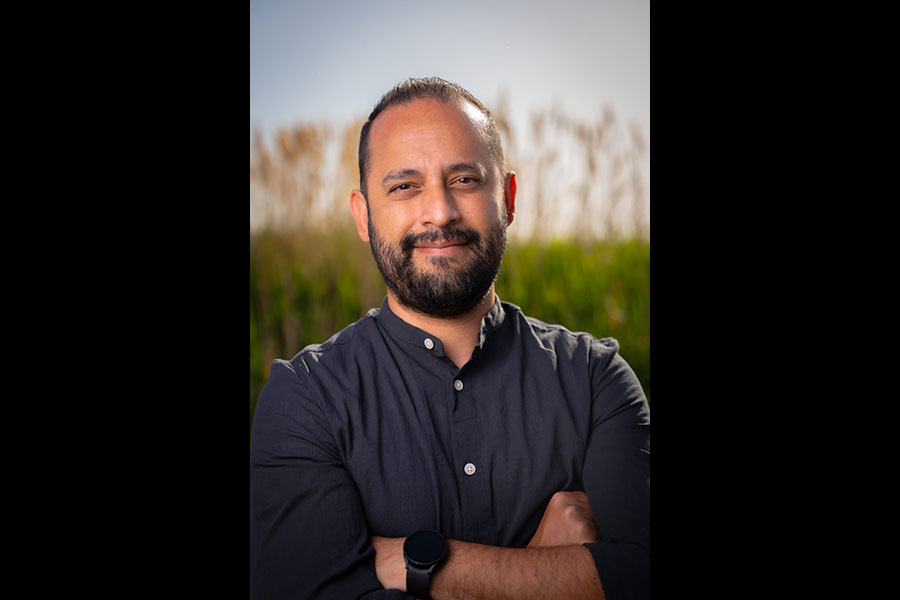
When told that the U.S. had bombed Venezuela, Hurtado began to look on social media and saw more videos of the military operations.
Once Trump announced that Maduro and his wife had been captured, he said that they began to celebrate.
“It was a little bit hard to believe at one point, because Venezuela, and we were waiting for this moment for like over 20 years,” Hurtado said. “It was hard to believe that it was finally true, they captured Maduro, have him in custody, and he is facing justice finally.”
Leaving home as Chavismo rose
Mueller, who left Venezuela at the age of 17 in 1979 due to the effects of socialism taking over Venezuela and affecting her studies in organic chemical engineering.
She spoke about how socialist ideas began to gain traction and were further promoted by former Venezuelan leader Hugo Chávez.
“Chávez was clever in the sense that he brainwashed young people and the people of Venezuela by giving them refrigerators and televisions, and people loved him; they adored him,” Mueller said. “He was like a god who was going to destroy the upper class, and the poor would rise to the middle class. Not everyone realized over the years that those promises were a sham.”
She said that at one point, official documents were taken away, leaving her unable to attend college in Venezuela.
This prompted her to leave for Mexico.
During this time, Mueller described Venezuela as a rich and beautiful country.
“We had nothing to envy the United States for, absolutely nothing,” she said.
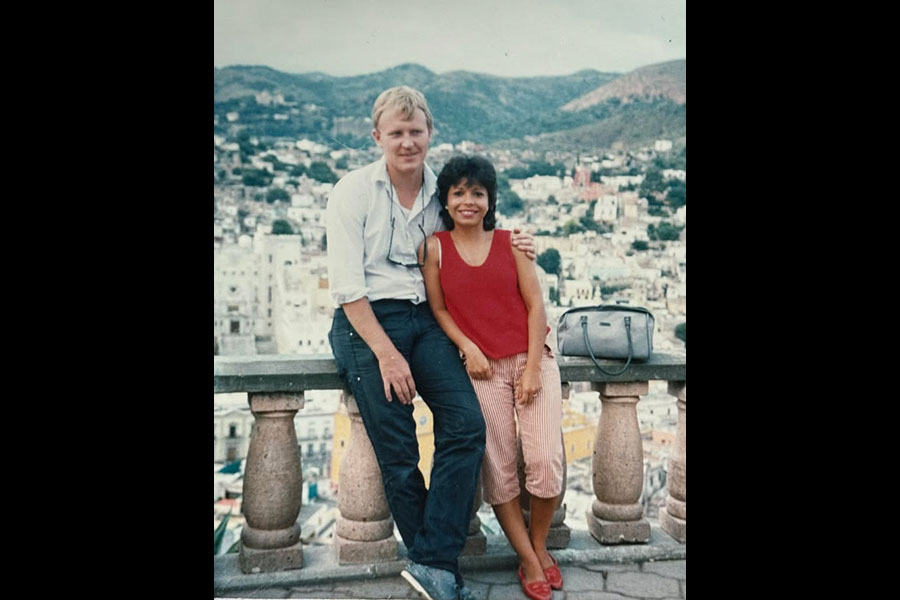
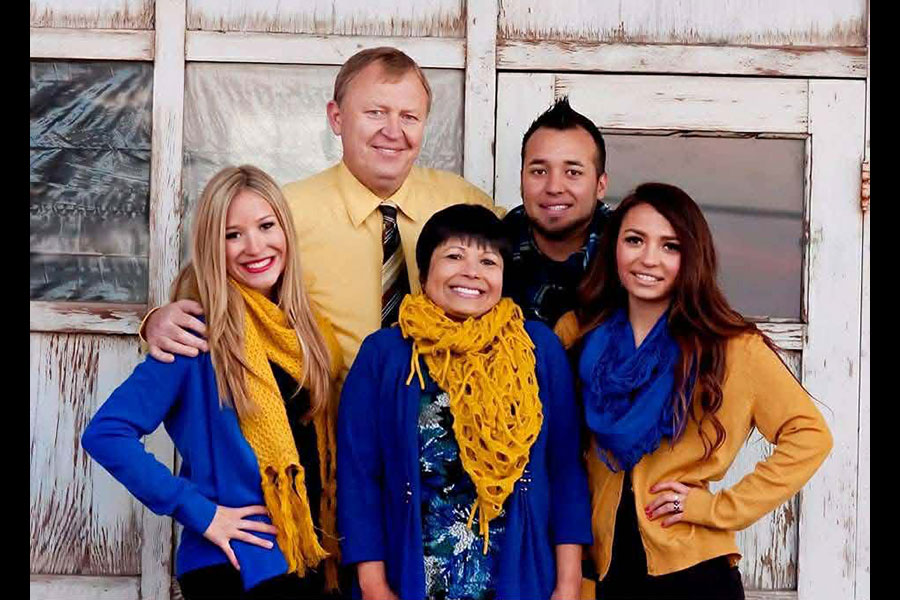
While in Mexico, she met her husband, Brent W. Mueller, and moved to the United States, where she started a family. Her goal was to return to Venezuela, which she did in 1991.
Mueller said she cried when she arrived at the airport upon seeing giant posters of Chavez and asked herself what had changed. Speaking with relatives, Mueller noted that many individuals, including her own family members who are professionals such as doctors, engineers and working in skilled trades, were viewed in a negative light under Chávez’s rule.
She said a brother-in-law of hers is a surgeon, and some of his children have left the country are financially supporting him.
“A man who had his own clinic, but the violence and insecurity that came to our country was so terrible that the clinic he had, where he saw his patients and everything, was robbed,” Mueller said.
The last time she was in Venezuela was in 2017 with her husband, and it was then that she knew it would be her last time.
When she presented her American and Venezuelan passports to the immigration officer in Venezuela, she was told the American one was of no use.
“My husband and I were stunned, and after we walked away, he said to me, ‘Do you know what that means?’ I said yes, and he said, ‘I don’t want you to go back. This is very dangerous,’” Mueller said.
The fear for the two of them was that, in the event Venezuelan officials decided to keep her there, her husband would have to leave her behind.
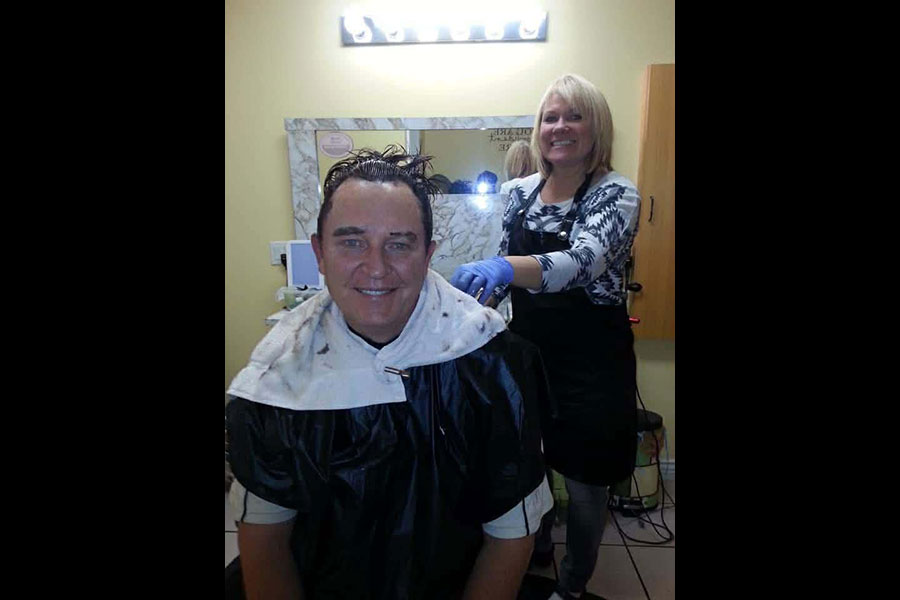
She said that her husband even dyed his hair black due to many Venezuelans’ hate for Americans.
Silencing detractors
Hurtado, before discussing his time in Venezuela, said that opportunities to speak with American media about the situation allow him to speak on behalf of his family and friends still in Venezuela. If they attempted to do the same, it may put them in danger.
For the past 11 years, Hurtado has been living in the U.S. after leaving Venezuela due to safety concerns related to his family’s political situation.
This revolved around his businesses, where he ran a printing company, and he said the government was very sensitive about the printed content. This has compounded since he left the country.
He was also an organizer, helping to set up protests.
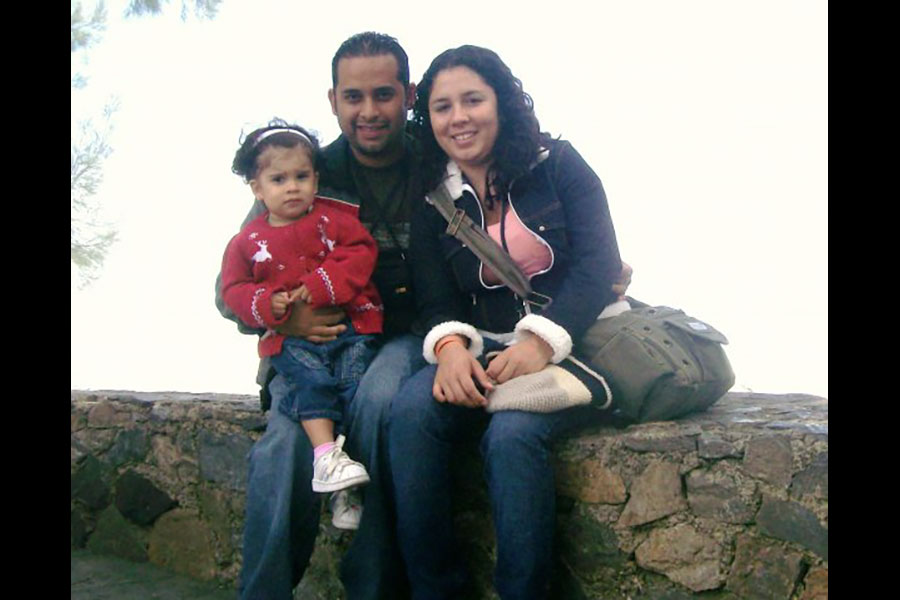
When he left the country, he, his wife, and his 8-year-old daughter made their way to the U.S.
Although his reason for leaving is a common one for Venezuelans, he said the other factor is the country’s economic situation.
“By the time (we left) Venezuela, there were some signs of lacking of food or basic supplies. We faced a little bit of that in my time living there. I left the country in 2014, and two years later it got worse,” Hurtado said.
Hurtado is a permanent resident of the U.S., and he said that he would obtain his citizenship within the next year.
He said he said although many of those who come to the U.S. do so illegally, he said a majority of them are looking for a better opportunity to help their families.
However, Hurtado agreed with some of the rhetoric used by the Trump administration about dangerous criminals being released in the U.S.
“There were a lot of bad Venezuelans out in our cities. It is very sad to see that, because most of us were running away from them,” Hurtado said.
Illegitimate President
When discussing the military operation to capture Maduro, Hurtado and Mueller told EastIdahoNews.com that Maduro was not the president of Venezuela.
Hurtado said that Maduro was an illegitimate president who lost an election in 2024, but did not recognize that, so he remained as president.
“Maduro is not a president. He was usurping the power in our country,” Hurtado said. “He is involved in narco traffic. He’s involved in terrorism.”
When he left the country, Hurtado said Venezuelan.s were not running the country and were being ruled by other foreign countries.
“President Trump made the right decision to remove (Maduro) from there. There are a lot of other bad guys ruling the country, we understand that we have a long road to walk … where the Venezuelans can decide what we want for our future and for our future generations,” Hurtado said.
Return home
Although the future of Venezuela and its people is unclear, Hurtado and Mueller said that they plan to return to the country one day with Maduro gone.
For Hurtado, he said it’s not in the near future, as his family is here in eastern Idaho, but he does see it as a possibility.
“I would love to have the opportunity for many people to come and get to know our beautiful country,” Hurtado said. “Many other families have these different situations and different postures. I know that many of them wish to go back tomorrow.”
In Mueller’s situation, she said the hope she had of returning has returned, as there is now a chance for her to return to Venezuela as it used to be.
“I’m going to be the first one to get on a plane to see my brother, who is the only one (I have) left,” Mueller said.
She said she wanted her grandchildren to see where she was born, but she had lost hope.
“That Saturday at 2 a.m., hope came (back),” Mueller said.