



Idaho lawmakers could make cuts to Medicaid — creating fear for many residents
Published at
Becca Savransky, Idaho Statesman
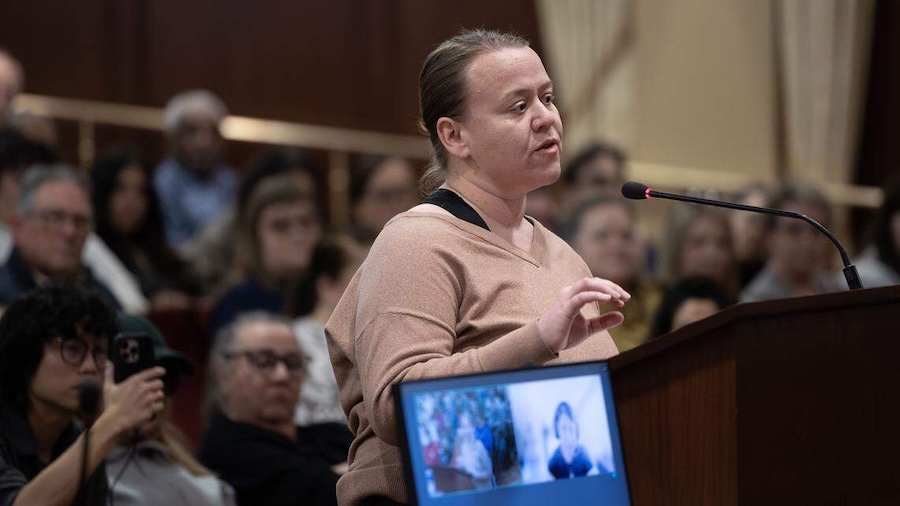
BOISE (Idaho Statesman) — In a packed auditorium Wednesday night at the Idaho State Capitol, dozens of people with voices shaking and tears in their eyes begged lawmakers to hear their stories.
Parents of children with disabilities talked about how with Medicaid, their children have been able to get the therapies they need to learn to eat, communicate and play. Adults with disabilities said services allowed them to thrive, get jobs and be a part of their communities; without those, they could end up homeless or in hospitals, advocates said, an alternative many said would cost the state more. Health care providers warned that with further cuts to Medicaid, they may not be able to offer the vital services their patients can’t live without. Over and over again, families and caregivers said without these services, their loved ones could end up institutionalized — which they called a dehumanizing, costly and detrimental consequence.
For nearly four hours, people across Idaho from Boise to Moscow to Twin Falls testified before Democratic lawmakers during the public forum on how potential Medicaid cuts could affect Idaho residents and their communities.
The turnout was so high that after people filled up the auditorium, they overflowed into several more rooms where they could watch the livestream and come in to testify when their names were called. Even with the extra room, people spilled into the hallways.
Democratic leaders said they decided to hold the forum after they sent a letter to the leaders of the Legislature’s budget-setting committee asking them to take public testimony before moving forward with cuts. The Joint-Finance Appropriations Committee doesn’t typically take public comment, unlike most legislative committees, but it has in the past, the letter said.
Either way, the Democrats said they were committed to giving people the opportunity to have their voices heard.
“We thought it was absolutely critical, before these cuts happen … that we get in the record, in the public eye, a very real understanding of what this is going to mean to people’s lives and to people’s health and to people’s families,” House Minority Leader Ilana Rubel said at the start of the forum. “We’re very grateful that you’re out here today to enable us to fill out that picture and understand exactly what these cuts mean — not on paper, but in reality.”
The hearing came as state lawmakers have discussed how to deal with an expected budget deficit.
In August, Gov. Brad Little signed an executive order requiring most state agencies to reduce their general fund spending by 3% for the 2026 fiscal year, which runs to the end of June, according to previous Statesman reporting. That included the Department of Health and Welfare, which administers Medicaid.
In response, the department implemented a 4% cut to its reimbursement rate for providers who take Medicaid patients. In January, during the governor’s State of the State address, he called to maintain those cuts in addition to another $22 million reduction in general fund spending. Lawmakers are expected to vote Friday on whether to approve and extend the holdbacks that led to the 4% rate cuts.
Lawmakers are expected to vote Friday on whether to approve and extend the holdbacks that led to the 4% rate cuts.
What could be cut?
The Legislature is responsible for deciding whether and where to make cuts to Medicaid. Several programs could be at risk, including those that serve people with disabilities, according to documents from the Department of Health and Welfare, first reported by the Idaho Capital Sun.
One of those programs is home and community based services, which allow Medicaid recipients to receive services in their homes instead of being forced into institutions or other similar settings. To receive this care, people must show that they need a level of care that would meet the state’s requirements for services in an institutional setting, according to the Department of Health and Welfare.
Other programs include residential habilitation and therapies — including physical, occupational and speech — which thousands of people across the state rely on. Last month, several parents told the Statesman that access to therapies allowed their children to speak, read and move around. Without them, their children would regress and potentially need more significant care later in their lives.
In-home nursing services and adult dental services may also be at risk.
Emotions high as people share their stories
Throughout the public hearing, people spoke passionately about the need for Medicaid. Emotions ran high and the room erupted into applause after each person shared their story. As some struggled to get through their statements, audience members shouted words of encouragement or agreement.
Some people brought their children to the hearing. Others held up photos of loved ones while speaking about the importance of Medicaid.
Grace Helie, the first person to speak, told lawmakers about her 7-year-old daughter, who is autistic. She will run into traffic, has no sense of danger and needs supervision every minute she’s awake, Helie said. She is nonverbal, and if she escapes, she can’t tell someone her name or her address. Medicaid allows Helie to get support services.
“This is key to my mental health,” she said. “I can take a shower or a nap or go grocery shopping. But more importantly, it allows me to work.”
Many families of children with disabilities have one adult leave the workforce, she said. But as a single mom, she doesn’t have the luxury to stay home.
She was not alone in her experiences.
Throughout the night, people shared many of the same sentiments, encouraging lawmakers to think of them not as numbers on a spreadsheet, but as real people contributing to their communities. They urged legislators not to balance the budget on the backs of the most vulnerable people across the state, and instead to tap into the state’s rainy-day fund. Some people who spoke up said they didn’t use these services, but wanted to show their support and advocate against cuts.
For the people who relied on Medicaid for themselves and their families, they said these services were necessities and described the proposed cuts as terrifying.
Many said the 4% cuts were already hurting — and further cuts would mean fewer services.
Senate Minority Leader Melissa Wintrow reiterated throughout the forum that the Democrats at the front of the room did not want to cut Medicaid. But she said it was their priority to get these testimonies to their colleagues.
There was a significant sense of uncertainty in the room about which services could be on the chopping block. Many people spoke in support of certified family homes, homes that provide services for people who cannot live on their own, but allow them to be part of a community. Wintrow said she had not heard talks of cuts to those, but she said it was important to hear all voices and gather stories.
“We are doing everything we can to elevate your voices, making sure people understand, really the critical needs that people have,” she said. “What I’m hearing so far is just anxiety and stress about the conversation itself.”
As the time neared 7:30 p.m., 30 minutes after the forum was supposed to end, there were still people who hadn’t gotten the chance to testify.
At the end of the night, Democratic lawmakers asked the remaining people who wanted to share their stories to line up, say their names and share a little about themselves.
One after another, people used the remaining seconds to share as the room slowly emptied.