



Bill could put the future of Idaho’s oldest state park at risk
Published at
IDAHO FALLS – Locals are concerned about the future of Harriman State Park after the passage of a bill in the Idaho Senate.
SB 1300, which passed the Senate floor on Monday with a 21-14 vote, provides for Senate advice and consent, as well as gubernatorial appointment for the directors of the Idaho Departments of Transportation, Fish and Game, and Parks and Recreation. It will now advance to the House.
Sen. Doug Okuniewicz, R-Hayden, is the bill’s sponsor. He tells EastIdahoNews.com the directors of most state agencies are appointed by the governor and subject to Senate confirmation. The goal of this bill is to bring these departments in line with all the others to make it more consistent.
“I’ve experienced some side effects from that level of autonomy that they possess currently. They end up drifting into a policy-making role far more often than other agencies do, and it creates a lot of friction,” Okuniewicz says. “That’s the exclusive domain of the Legislature.”
Okuniewicz says checks and balances are an important function of government, and that the ability to have Senate confirmation for these executive agencies should be implemented.
Since its advancement through the Senate, many have expressed concerns about the bill. Opponents say it violates an agreement that resulted in the creation of Harriman State Park in Fremont County, and if enacted, could transfer ownership of the park back to the Harriman family.
In 1963, the Harrimans gifted the 11,000-acre property that now comprises Harriman State Park to the state, on the condition that the Legislature establish a “professionally staffed career park service whose personnel shall be chosen on the basis of merit alone.”
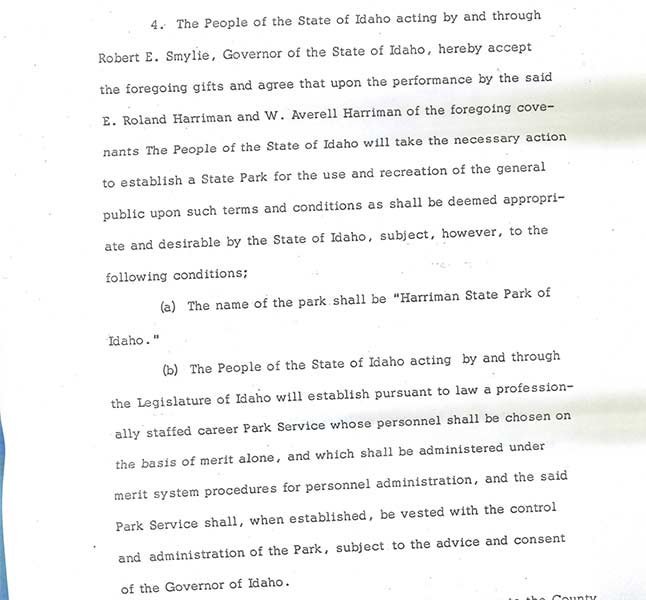
The Parks and Recreation department was created two years after this agreement was codified in state law. Since then, it’s been governed by a six-person board, with each member representing a different geographic area of the state. Under Chapter 42 of Title 67, the board has the power “to appoint a director to serve at its discretion.”
Okuniewicz says the original agreement makes no mention of a director of a Parks and Recreation department. He points to the line that says “chosen on the basis of merit” and says this concern is a misinterpretation of the law and the bill will not affect that.
“The notion that it’s somehow being violated by this bill being passed into law is not even close to being accurate,” says Okuniewicz. “The only thing that could negatively impact that provision of that agreement is if someone were appointed who didn’t have merit.”
The Legislature would never appoint someone without merit because Idaho code requires it, he says, and this bill puts in an added protection to make sure appointees merit the position.
“We would never do something that put any of our parks at risk,” Okuniewicz says. “It’s unfortunate that a bunch of people think that’s the case.”
Seven senators from eastern Idaho voted against the bill. Sen. Mark Harris, R-Soda Springs, is the only local lawmaker who voted in favor of it.
Harris says Okuniewicz introduced a similar bill last year. It failed to gain support because he could not assure that it would not violate the agreement. Since then, Harris says Okuniewicz was assured by Attorney General Raul Labrador that it would not violate the agreement, and Harris said that gave him confidence to vote for it.
EastIdahoNews.com reached out to the attorney general’s office for comment, but did not receive a response.
Like Okuniewicz, Harris says that neither the governor nor the Senate would ever appoint someone who doesn’t have merit, and this bill will not affect how Harriman State Park is administered.
If it becomes law, Harris says the park is “going to be administered just like it is today. It’s in statute that the person has to have merit, and nobody is going to go against statute.”
Sen. James Ruchti, D-Pocatello, is one of seven local legislators who voted against Okuniewicz’s bill. The private practice attorney disagrees with Okuniewicz and Harris and says that although the appointment process is based on merit, it’s not based on “merit alone” and is “fraught with politics.”
“It’s pretty explicit,” Ruchti says. “The state of Idaho made a commitment to the Harriman family that we would have a professional parks department where the director and his staff are chosen on merit alone. We’re violating that commitment (if we pass this bill).”
During the committee hearing on Feb. 23, Ruchti says that Okuniewicz expressed frustration that the directors of these agencies didn’t respond the same way as other agencies with directors appointed by the governor.
“In other words, he’s saying they didn’t respond to politics, and that’s the way it’s supposed to be,” says Ruchti. “That’s why we insulate these directors from politics.”
Watch the hearing and Okuniewicz’s testimony in the video above.
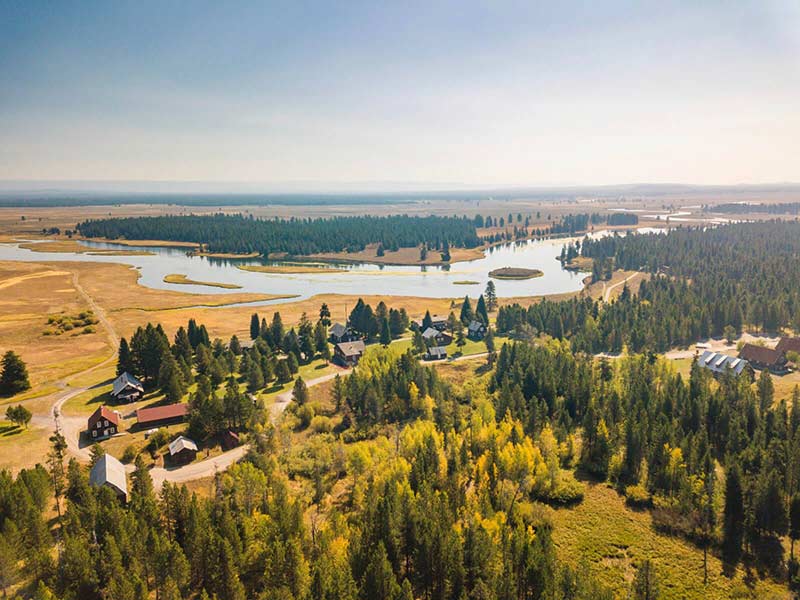
Harriman State Park history
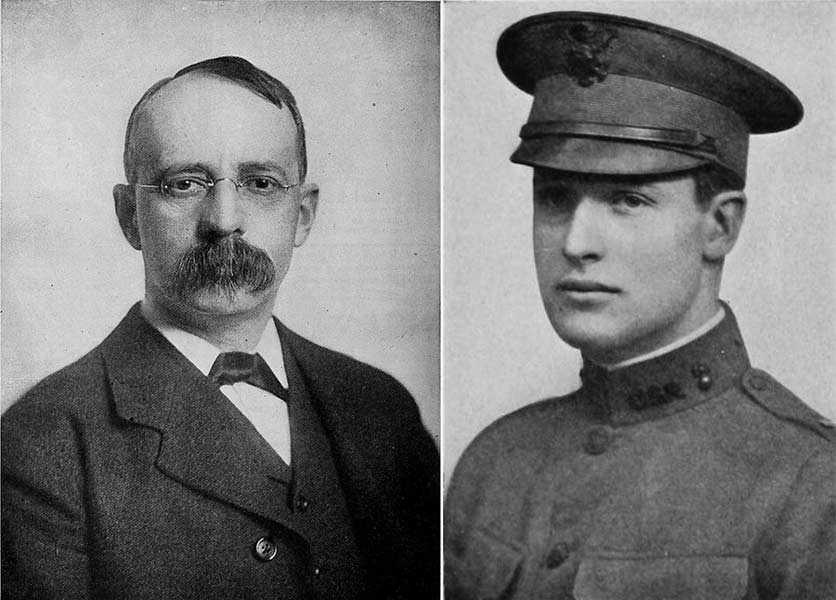
Tom Dixon is the grandson of Roland and Gladys Harriman, who entered into the agreement with Roland’s brother, Averell, and Gov. Robert Smylie. The 11,000-acre property in Fremont County was originally incorporated as the Island Park Land and Cattle Company, according to its website. One of the original partners, Murray Guggenheim, sold his shares to Dixon’s great-grandfather, Edward H. Harriman, in 1908.
“Because of the owners’ heavy involvement in the railroad industry, Island Park Land and Cattle was given the nickname ‘Railroad Ranch,'” the park’s website says.
Edward was an executive for Union Pacific Railroad, and Dixon says his great-grandfather bought the land, sight unseen, at the recommendation of a friend. One of his partners, William Bancroft, became the namesake for the city in Caribou County.
Edward died in 1909, never having seen the property, but his wife, Mary, and their four kids, visited often.
In 1910, Mary donated 10,000 acres of land in Tuxedo, New York, which became Harriman State Park in that state.
Roland and Averell inherited Railroad Ranch from their mom. Near the end of their lives, Dixon says, no one else in the family could afford the property. Dixon says they wanted to preserve the wildlife and protect it from development, so they donated it to Idaho.
Although it officially became Harriman State Park in 1977, it didn’t open to the public until 1982. Its 22 miles of trails attract millions of visitors every year. EastIdahoNews.com is awaiting information from the Department of Parks and Rec about its impact on Idaho’s economy.

‘I haven’t totally given up hope’
Dixon says the terms of the original agreement are straightforward. He says he disagrees with Okuniewicz’s interpretation and that his proposal is a clear violation of those terms.
“It’s right there (in black and white),” Dixon says. “I heard the comments when they read the bill and (it’s all about) more political control.”
Dixon notes this isn’t the first time legislation impacting the park has been introduced. In 2010, Gov. C.L. “Butch” Otter made an attempt to dissolve Parks and Rec and transfer its management to the Department of Lands.
A similar effort was made in 2018 to eliminate Parks and Rec and several other departments and put them under one umbrella.
Dixon says he hasn’t spoken with other members of the family and isn’t sure what actions would be taken if the measure passes.
He’s hopeful that SB 1300 will ultimately fail.
“I haven’t totally given up hope that there’s still some integrity (in Boise) and that they will (abide) by the document that created the park and started the Parks Department,” says Dixon.
Okuniewicz reiterates his position that this bill does not violate the 1963 agreement and will have no impact on Harriman State Park.
To those who are concerned, Okuniewicz offers some reassurance.
“Give us a little bit of grace,” he says. “We would never do something that would put our parks at risk like that.”
As of Wednesday, the bill has yet to be introduced in a House committee. Okuniewicz says it will likely be introduced in the State Affairs Committee.