



Out-of-control burn sparks wildfire scare amid early fire season concerns
Published at
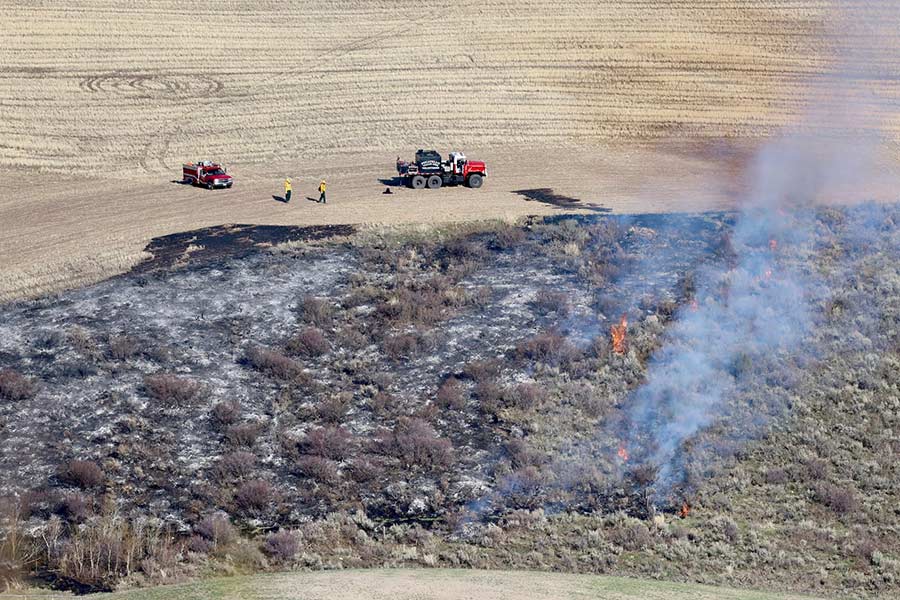
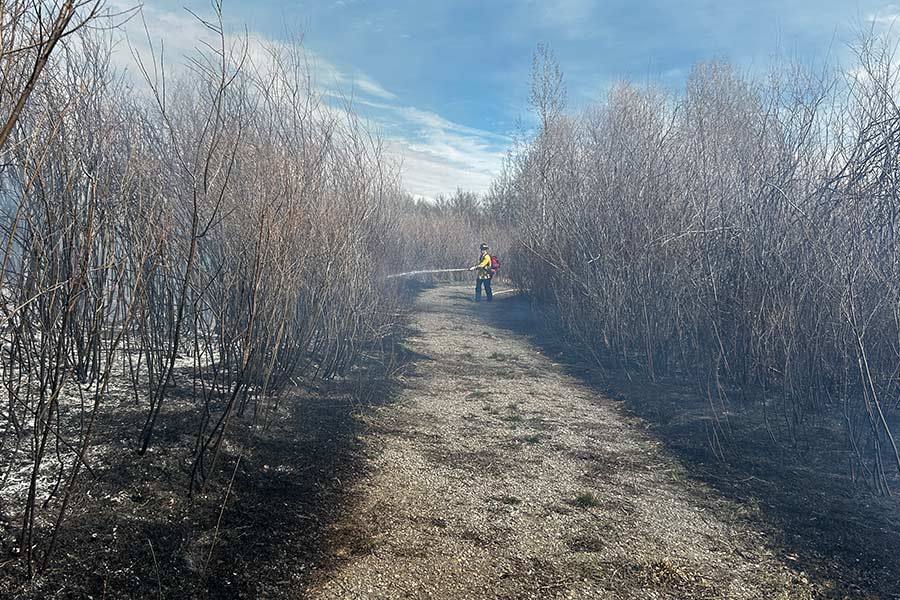
AMERICAN FALLS – What started as a controlled burn in rural Power County Sunday afternoon later spiraled out of control.
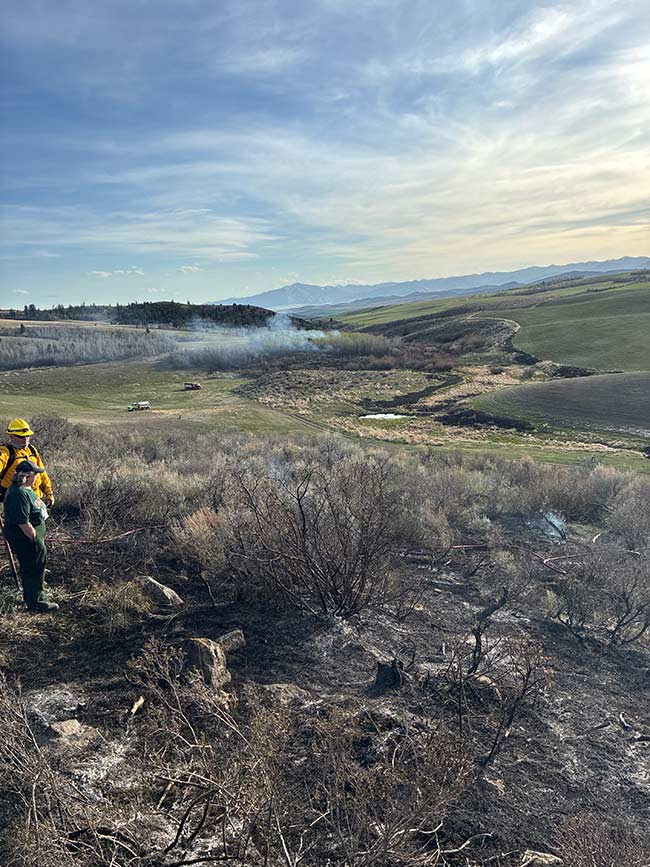
American Falls Fire Department Chief Cecil Sweeney tells EastIdahoNews.com the 3-acre fire happened near the summit of Mink Creek outside of Pocatello. Although there were initial reports of a fire in that area on Saturday, Sweeney says they didn’t respond until Sunday afternoon around 5:30 p.m.
“Someone was burning out there (on Saturday). We took off and then (were called off the scene) because of reports that it was out. Then we got another call from the same area (on Sunday),” Sweeney explains. “The landowners had tried to burn some stuff around their house and it got out of control.”
Sweeney says they later learned the people who started the fire didn’t have a controlled burn permit.
“It looked like (the homeowners) had burnt some areas and then stopped. They were burning a different part of the area when it got out of control and started spreading into areas where it was hard to reach,” says Sweeney.
Firefighters had the blaze out around 7:45 p.m. There were no injuries and no damage to homes or other buildings in the area.
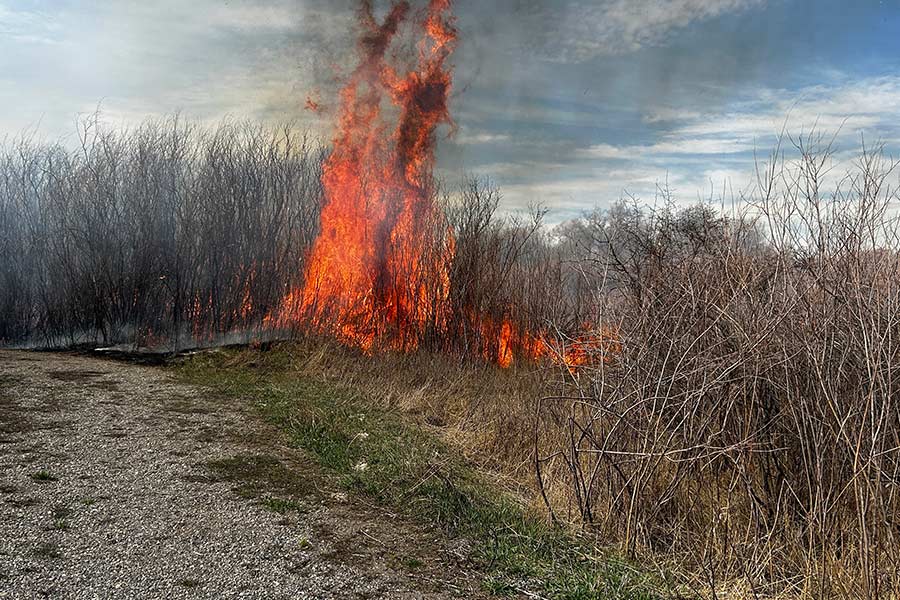
While this is the American Falls Fire Department’s first out-of-control burn this year, Madison Fire Department Deputy Chief Troyce Miskin reports multiple instances like this so far this season. He says the number of instances where a controlled burn was not properly managed have been higher than normal and have happened at least a month ahead of when fire season normally starts.
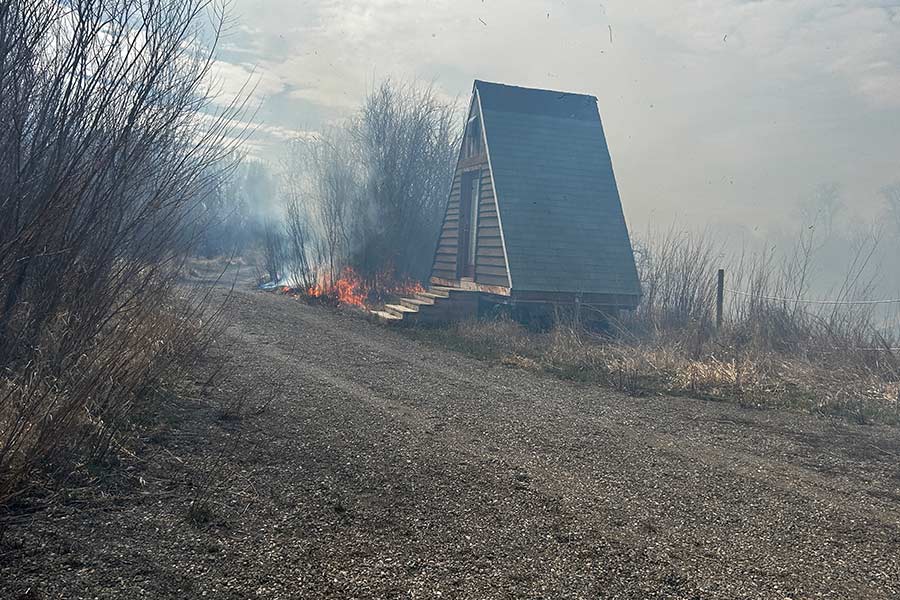
In a Sunday news release, Miskin says a recent controlled burn spread and caught an abandoned house on fire. Over the weekend, a haystack in the Lyman area caught fire as a result of an out-of-control burn. A second blaze was the result of a Tannerite explosion. Target shooters ignited a field, grass and brush fire.
Last week, the National Weather Service in Pocatello reported that the next 90 days are likely to have higher-than-normal temperatures and below-normal precipitation. This weather trend suggests fire season may start early and be more active than a typical year, which poses concerns for firefighters.
RELATED | Idaho braces for hot, dry stretch as fire risk, water woes grow
Miskin says the dry winter, combined with the unseasonably warm temperatures and strong winds are the reasons they’ve been so busy, and he’s anticipating a much more active fire season this year.
“Fire season has come much earlier than anticipated,” Miskin says. “We’ve had trucks responding to national incidents since the middle of February. That is abnormal for us. Locally, we’ve been responding to incidents about a month earlier than we would be expecting. We are very concerned about what fire season is going to bring this year.”
Thomas Pence, a spokesman for Caribou-Targhee National Forest, expresses a similar sentiment. So far this season, he says they’re seeing fire activity that’s one to two months ahead of schedule.
RELATED | Crumbling rock, unstable conditions due to tunnel fire extend Fremont County trail closure
A tunnel fire inside the historic Bear Gulch railroad tunnel near Ashton in early February is the only local fire reported this year. As of Monday, Inciweb is reporting three prescribed fires in northern Idaho.
As of March 27, the National Interagency Fire Center says there are 51 uncontained large fires across the U.S., indicating fire season is ramping up early.
While Caribou-Targhee National Forest is usually a particularly active fire area, Pence says it’s hard to say what areas pose the greatest concern this early in the season.
The U.S. Forest Service — which manages more than 20 million acres in Idaho, including Caribou-Targhee National Forest — monitors weather patterns and fuel moistures to know how to shift its resources to areas of greatest concern.
Miskin says the department’s fuels reduction crew helps remove fire hazards — dead brush and tress — in worrisome areas. The department is also in the process of hiring more staff to handle the workload.
As fire season gets underway, Miskin’s message to the public is “Don’t burn and turn.” He’s urging people to make good decisions before starting a fire. Check the weather forecast to make sure conditions are safe and appropriate. Don’t burn on windy days and never leave a fire unattended.
“Embers can get caught up with the wind … and ignite a fire,” says Miskin.
He’s also asking residents to register controlled burns with the county. This makes the department aware of what’s happening and provides guidelines to homeowners for burning safely.
“Our goal is not to stop controlled burning. We just want to ensure it is done safely and responsibly. We want to keep our community safe. We want to ensure our emergency crews are available when emergencies happen,” Miskin says in a news release.
Pence is also urging the public to be careful as they recreate outdoors and to beware of any fire restrictions that are in place.
“Make sure any fires (you start) are put out. It should be cold to the touch when you leave it,” he says. “Please be careful when working with fire.”
This weather-related story is brought to you by Pony Express Car Wash, Idaho's premier express car wash destination, renowned for its commitment to exceptional service and quality. Voted the No. 1 car wash company in Idaho for three consecutive years, we pride ourselves on delivering an unparalleled experience for every vehicle and customer. Our state-of-the-art facility utilizes name-brand soaps and cutting-edge equipment to ensure your car receives the ultimate clean. Established in eastern Idaho in 2019, Pony Express is proud to be a locally owned and operated company that caters to the unique car washing needs of our Idaho Friends and neighbors. We invite you to experience the difference at Pony Express, where your satisfaction is our ultimate goal.