



Curtailment order remains in effect as Butte County farmers await state’s next move
Published at

ARCO – Following a status conference on Wednesday morning, groundwater irrigators in Butte County say their ability to water crops is in the hands of the Idaho Department of Water Resources.
Farmers in three groundwater districts encompassing Butte County have been unable to pump water this irrigation season due to a curtailment order that alleges they are not covered by an approved mitigation plan.
The passage of SB 1341 in 2024 — which added these districts to the Eastern Snake Plain Aquifer common groundwater supply — required water users in the area to implement an approved mitigation plan or join an existing one to avoid shutdowns. They were given 16 months to comply, with the deadline set for Nov. 1, 2025.
Under Idaho law, surface water users have senior water rights, and groundwater users are required to have a plan to recharge the Eastern Snake Plain Aquifer during times of shortage. Although groundwater users are required to conserve a minimum of 205,000-acre-feet of water annually, the water shortage in 2026 means there are no opportunities for recharge.
The 2024 plan provides a safe harbor that protects groundwater wells from being shut off, but only if users comply with a mitigation agreement.
The curtailment went into effect on Nov. 21 and the department began checking groundwater wells throughout the Big Lost and Little Lost River Basin for compliance. Red tags and curtailments have been issued for some farmers in the area.
RELATED | ‘Extortion’ claims fly as groundwater users in Butte County face curtailment order
Although Butte County farmers say they signed an addendum to join the 2024 mitigation agreement last month, the Idaho Surface Water Coalition has not approved it. The parties met for a status conference on Wednesday to try to resolve the conflict.
In a Wednesday afternoon news release, the Surface Water Coalition says it was a “productive meeting” and that “all parties agreed to move forward with a collaborative technical review process.”
“Experts representing the parties will evaluate the underlying data and proposed terms, with the goal of reconvening on May 4, 2026, to consider potential revisions and next steps. IDWR will facilitate the technical meetings in the upcoming weeks. Settlement discussions between the parties will also continue,” the news release says.
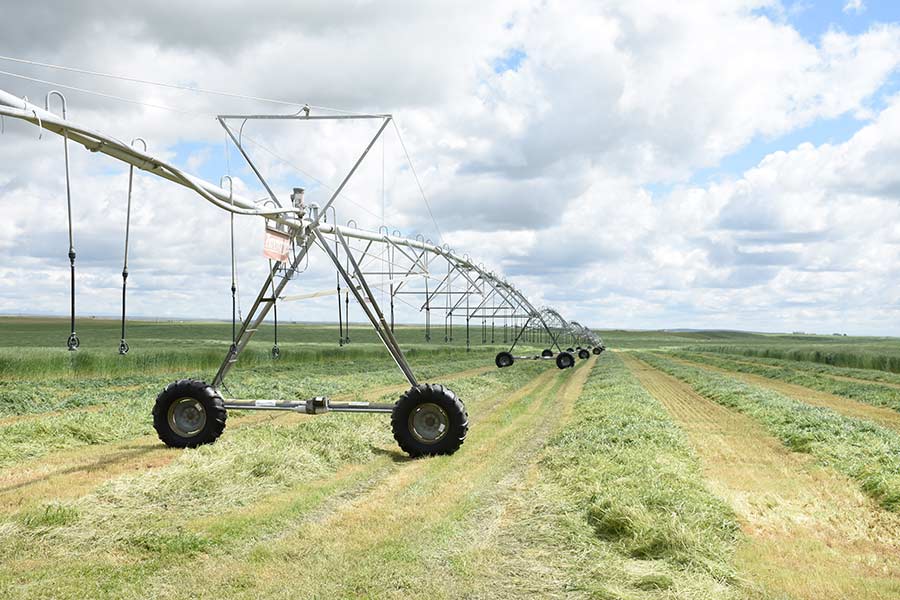
In a conversation with EastIdahoNews.com Thursday afternoon, Big Lost River Ground Water District Chairman Mike Telford concurs that it was productive, but says that the curtailment order is still in effect and they’re waiting for the IDWR to lift it.
“The director (Mathew Weaver) is going to issue an order, but we don’t know when,” Telford says. “We asked him what’s going to be in it and he said, ‘You’ll have to wait and see when it comes out.'”
Idaho Ground Water Appropriators — the umbrella organization for nine groundwater districts in eastern Idaho — reports in a Thursday evening news release that a SWC attorney told Weaver during Wednesday’s conference that they would only agree to stop the curtailment if the A&B Irrigation District was excused from providing mitigation.
A&B is a member of the SWC that also holds groundwater rights. IGWA reports that it does not participate in the 2024 Plan and recently proposed a new deal that requires a fraction of the amount paid by other groundwater users.
IGWA says excusing A&B from providing mitigation goes against Idaho law.
The group expresses “disappointment in Weaver’s dismissal” of their efforts to join the 2024 mitigation plan and that the curtailment order remains in force.
RELATED | Idaho declares drought emergency for all 44 counties as snowpack hits record lows
They note the department’s drought emergency declaration, which was issued on Wednesday due to low-snowpack levels across the state. The 2024 Plan was designed to bridge wet and dry years, IGWA says, and denying farmers in Butte County access to water isn’t fair.
“These farmers already have crops in the ground, and they can’t pump water,” the agency says. “A technical group comprised of experts from each party could take weeks to confirm if the incorporation of the new districts is consistent with the 2024 plan and does not adversely affect water users already participating in it. These farmers don’t have that time. Their livelihoods are at stake all because of the government’s inability to act.”
At Wednesday’s conference, some argued that groundwater irrigators in Butte County had years to prepare to join the 2024 mitigation plan, but waited until the last minute. Surface water users previously said this action denied them “a meaningful opportunity for input.”
Little Lost River Ground Water District Chairman Kirk Nickerson disagrees, saying they weren’t part of the Eastern Snake Plain Aquifer until SB 1341 was enacted. This legislation required the basins to create groundwater districts, elect a board, retain legal counsel, and gather technical data in a long-running, nuanced water rights process before having the board vote on what mitigation plan to join.
“We had to build everything from scratch,” Nickerson says in a news release.
Nickerson says they’ve worked for months to provide surface water users with pump usage data over the last five years, per the terms of the agreement, and the Coalition was aware of that.
“We did every single thing that was asked of us, and we did it in good faith,” says Nickerson. “We are doing everything we can to protect our livelihoods and work to protect the ESPA for generations to come. We can’t do that if we can’t pump water.”
In Wednesday’s news release, Surface Water Coalition President Alan Hansten says the 2024 mitigation agreement was reached after months of negotiation between the parties.
He says they have “consistently advocated for consensus-based solutions to keep water flowing in Idaho,” and they support “the participation of additional groundwater districts” through established legal requirements that “ensure fair and consistent treatment.”
“The process to adjust this plan needs to be done right,” says Hansten. “We appreciate IDWR and Director Mat Weaver for the deliberative process over this issue that affects every Idahoan. We are committed to moving forward with decisions based on sound data and consistent standards to ensure the success of the 2024 Mitigation Plan and the longevity of practical water management.”
In Thursday’s news release from IGWA, attorney TJ Budge blamed the SWC for unfairly holding up the process and said he’ll continue fighting for his clients.
“IGWA will continue fighting to ensure that groundwater users who act in good faith are protected, and we expect the Department to recognize that when it reviews the record,” Budge says.