



Idaho clerks have 60 days to verify signatures on reproductive rights, medical marijuana initiatives
Published at
Clark Corbin, Idaho Capital Sun
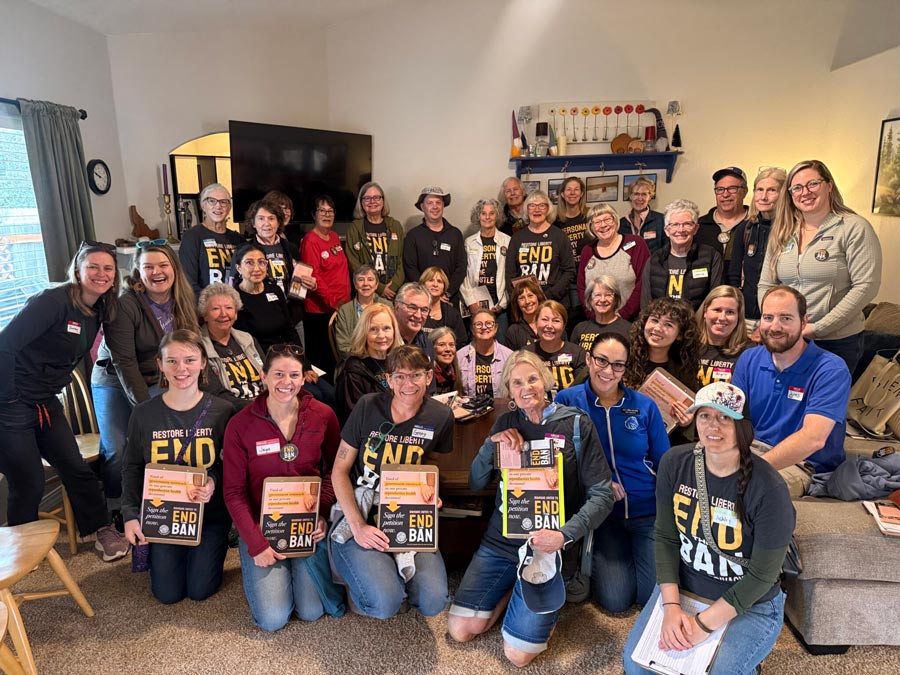
BOISE (Idaho Capital Sun) — Friday is the deadline for supporters who are hoping to qualify two separate ballot initiatives for Idaho’s 2026 general election in November to submit their signatures to county clerks for a 60-day verification process.
Under state law, county clerks have 60 calendar days – until no later than the end of June – to verify all of the signatures on each of the petitions.
After the 60-day county verification process is complete, supporters will turn in their signature petitions in to the Idaho Secretary of State’s Office on or about July 1 for a final round of verification.
In Idaho there are two ballot initiatives that may qualify for the November general election.
- The Idaho Freedom and Privacy Act would end Idaho’s criminal abortion ban, restore the right to an abortion and reinstate the same standards that were in place until the U.S. Supreme Court repealed the Roe v. Wade decision that guaranteed a right to an abortion. A group called Idahoans United for Women and Families is gathering signatures for the initiative.
- The Idaho Medical Cannabis Act would legalize medical marijuana as a treatment option for Idahoans who have a terminal illness or debilitating medical condition such as cancer, AIDS, PTSD, epilepsy, Crohn’s disease or Alzheimer’s disease. A group called the Natural Medicine Alliance of Idaho is gathering signatures for that petition.
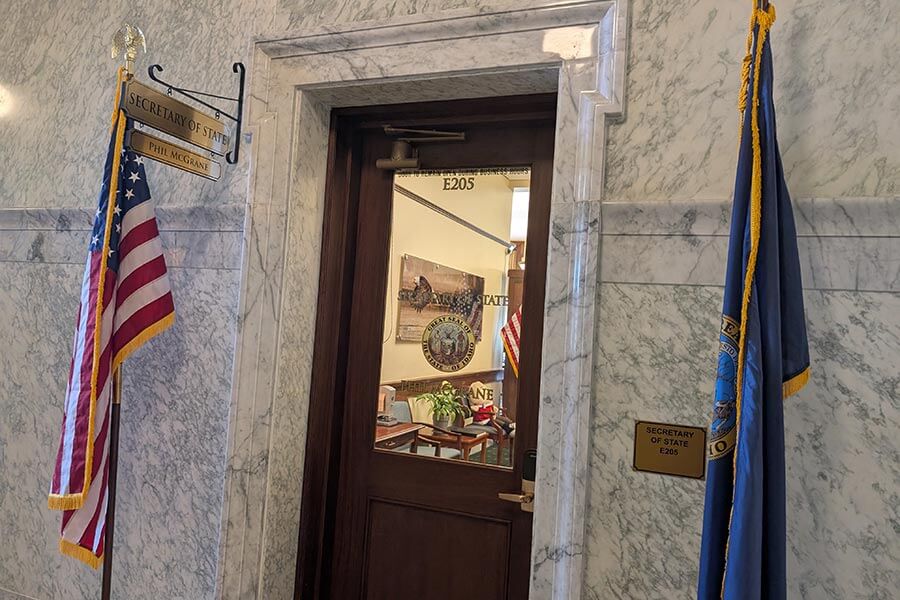
“We do actually verify 100% of the signatures on all the petitions,” Idaho Secretary of State Phil McGrane said in an interview Wednesday at the Idaho State Capitol in Boise.
In Idaho, a ballot initiative is a form of direct democracy where the voters – not the Idaho Legislature – decide whether to pass a proposed new law. To qualify an initiative for a general election, supporters must gather signatures from 6% of Idaho’s registered voters statewide and 6% of registered voters in at least 18 of 35 different legislative districts. To reach the statewide total, supporters need at least 70,725 valid signatures.
McGrane said the group Idahoans United for Women and Families has already been verifying signatures with county clerks as it gathers them, and he believes it likely will meet all requirements to qualify for November’s election – although county and state officials will still complete the normal verification process.
McGrane said the supporters of the Idaho Medical Cannabis Act have not been turning in signatures for verification as they went through the collection process, so he is not sure where that effort stands.
Will the abortion rights or medical cannabis ballot initiatives qualify for November’s election?
Supporters of both ballot initiatives expressed confidence and optimism on Wednesday that the measures will qualify.
“It’s not official until it’s official and Secretary McGrane says so, but because we have been turning signatures in and have seen results from counties, we feel very confident that we have met our goals and surpassed them,” Idahoans United for Women and Families Executive Director Melanie Folwell said in an interview Wednesday. “We are powered by 1,200 individual signature gathering volunteers statewide, and that is a big deal. They’ve been out getting signatures for 10 months, through the heat through July and August and through the cold of winter, snow and sleet. Their commitment through all that is directly tied to how much they care about the issue to have literal skin in the game.”
As of Wednesday, Folwell said supporters have met their goal in 20 different legislative districts and have gathered more than 106,000 signatures statewide.
A spokeswoman for the Natural Medicine Alliance of Idaho also expressed confidence their medical cannabis initiative would qualify for November’s general election.
“In Idaho, we are fortunate to have the ability to run citizen-led ballot measures, which puts lawmaking directly in the hands of the people,” spokeswoman Amanda Watson said in a written statement Wednesday. “The Natural Medicine Alliance of Idaho has been working hard since last fall to qualify the Idaho Medical Cannabis Act for the people of Idaho’s ballot this November. Thanks to a lot of hard work and the support of Idahoans all over the state, we are optimistic we have the signatures we need to put this important issue in front of the voters of Idaho, which will allow for dignity and choice in healthcare treatment options for those with serious and chronic medical conditions. We look forward to hearing good news from the Secretary of State’s office once the signatures are submitted, reviewed and verified.”
Earlier this month, Watson told the Sun that the Natural Medicine Alliance of Idaho has collected more than 100,000 signatures statewide. The organization has not disclosed how many signatures it has collected at the legislative district level.
How do election officials verify signatures in Idaho?
On Wednesday, McGrane explained and demonstrated the signature verification process.
As part of the signature verification process, officials scan the petitions with the signatures into the system and officials review every signature on every petition for numerous factors.
First, each person who signs the petition for a ballot initiative must be a registered Idaho voter, or the signature is rejected.
The voter’s address also needs to be located within the county listed on the petition the voter signed, and the address on the petition must also match the address listed on the Idaho Statewide Voter Registration System.
Signatures, names and addresses all need to be legible, or they are rejected.
Each voter can only sign a petition once.
Beyond that, officials will use the voter registration system to verify that each voter’s signature on a petition matches that voter’s signature on file in the system. The signatures on file in the system come from voter registration cards and driver’s licenses, which state officials have scanned into the voter registration system for years.
McGrane showed an Idaho Capital Sun reporter how election officials can click on the signature from a voter’s voter registration card in the system and then overlay it with the signature on the ballot initiative petition to verify its authenticity.
The petition signatures are also connected to each voter’s voter profile and stored in the system.
The system is so detailed that within a matter of a few seconds, a county or state election official could enter any registered Idaho voter’s name in the system, determine whether that voter signed a ballot initiative petition and then pull up a scanned copy of the petition with that voter’s name, address and signature.
McGrane said the overall verification process generally invalidates about half of the raw signatures submitted.
Some of the most common reasons signatures are rejected are because the person who signed the petition is not a registered voter and because the voter registration data is out of date or does not match records on file.
“On average, about 40 to 60% of signatures get rejected,” McGrane said.