



Idaho takes ‘timeout’ on Canyon County irrigation rights to study water table
Published at
Mark Dee, Idaho Statesman
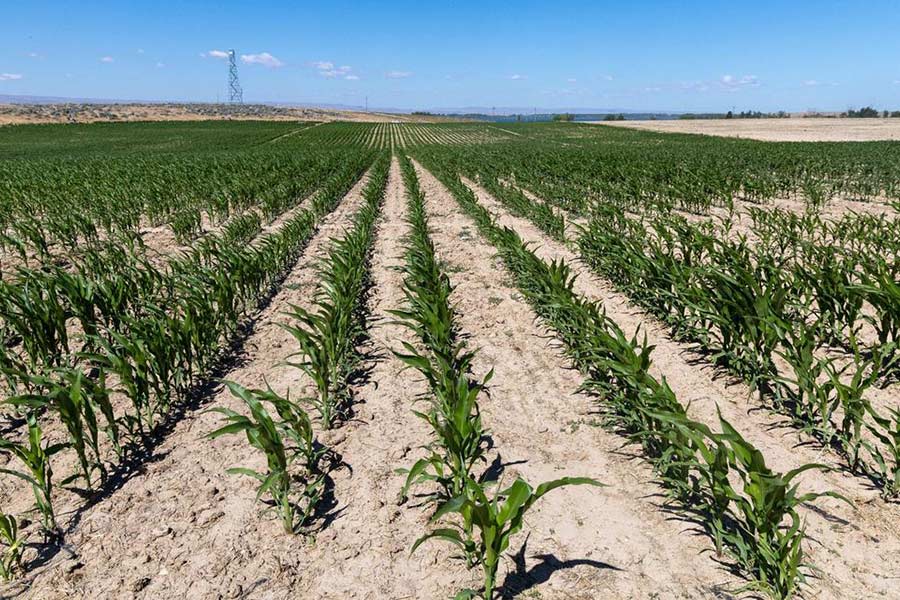
CALDWELL (Idaho Statesman) – The Idaho Department of Water Resources is halting applications to irrigate some 7,000 acres of farmland in southern Canyon County for five years while the state gets its head around what’s happening underground southwest of Nampa — and determines whether the issues are indicators of broader distress in the Treasure Valley aquifer.
IDWR Director Matthew Weaver ordered the five-year moratorium on new water rights between Lake Lowell and the north edge of the Snake River — an area spanning roughly 100 square miles — thereby stalling 21 pending applications while the department scales up monitoring.
The decision came after the department was petitioned by water users to get a “critical groundwater area” designation, which means there is not enough to supply users consistently. Weaver denied that petition, saying that existing data doesn’t support the claim.
At the same time, the department doesn’t collect enough information to know for certain what the local water table can sustain, Deputy Director Brian Patton told the Idaho Statesman in an interview.
“It’s worth taking a timeout, extending our monitoring, and finding out what’s going on a bit better,” he said.
Topography, legacy a challenge to Canyon County’s water
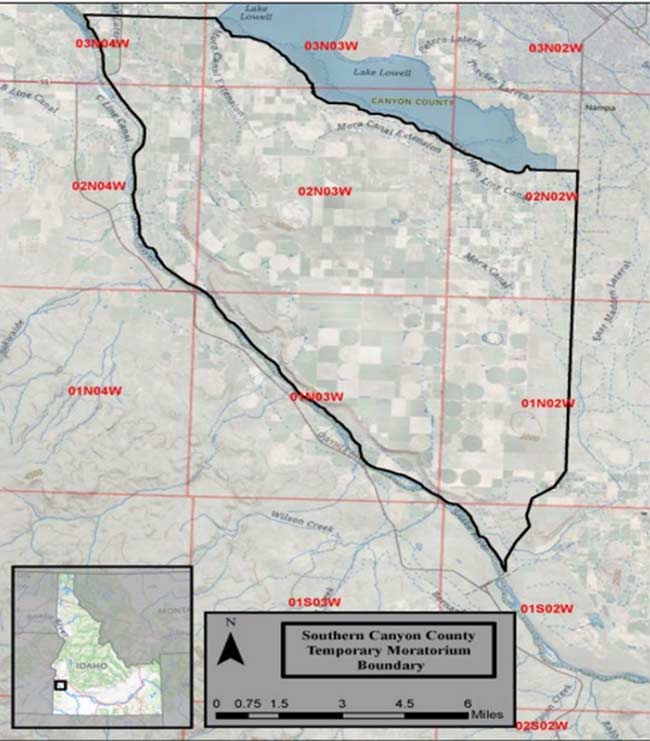
The area in question is a rough triangle bound by Lake Lowell and Lowell Road in the north, Idaho Highway 45 to the east and the Snake River to the south. Since a majority sits uphill of the regional canal network, farmers pump a “substantial” amount of groundwater, Patton said.
The situation is further complicated by the river, which irrigates some operations before filtering into the ground, and the legacy of “injection wells,” which the water agency has little handle on, Patton told the Statesman.
These wells aren’t the active sort used to recharge the aquifer in other parts of the state, Patton said. They’re more like disposal wells, he said — a holdover from the days of flood irrigation, collecting agricultural runoff like a sump in a basement.
Right now, IDWR doesn’t know how much water is flowing through these pits back into the aquifer. But the agency said it does know that users are worried about wells running dry during irrigation season, which sparked the review to begin with.
Representatives of Canyon County did not return calls for comment.
“Groundwater availability in the monitored region and the area south of the monitored region in south Canyon County may be impacted by existing injection wells and the development of approved permits,” Weaver said in a statement. “Issuing additional permits without better knowledge of the impacts of development pursuant to the approved permits could jeopardize the water supply necessary for existing groundwater rights.”
Patton emphasized that the moratorium doesn’t preclude existing water users from deepening wells, or stop homeowners from completing wells platted before the moratorium took effect.
IDWR has 11 monitoring wells within the moratorium area’s boundaries, a sliver of the 2,300 it operates around the state.
“We’re not sure whether this is a localized effect, or something that’s a symptom of other aquifer issues,” Patton said.
“Like anything, our knowledge gets better over time.”