What to do when a hard frost hits your fruit tree blooms
Published at
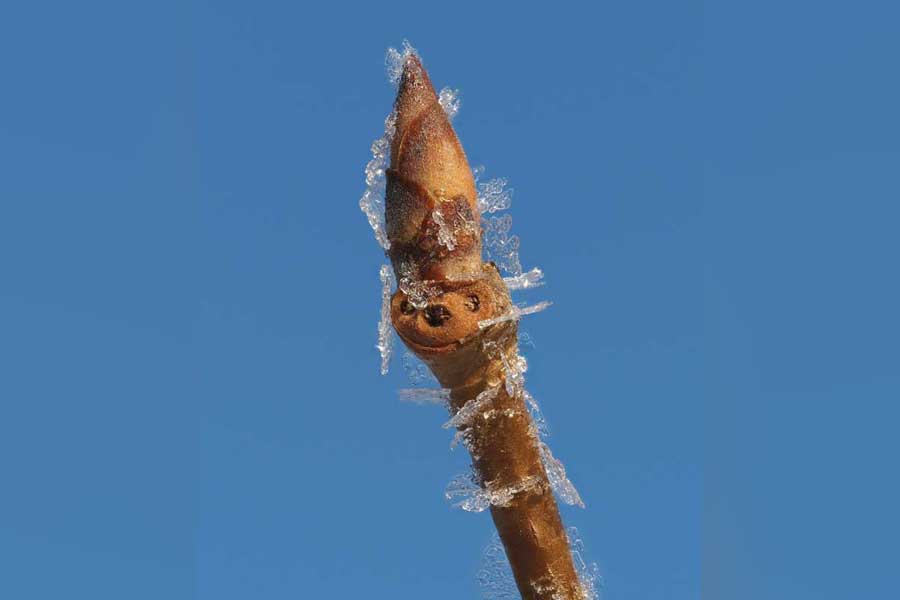
REXBURG — On Thursday and Friday, temperatures in some areas of east Idaho dipped down to the low 20s (20-23 degrees Fahrenheit), which is cold enough to kill 90% of flowers and developing fruitlets. In areas that did not go below 30 degrees, fruit tree blooms will not be damaged.
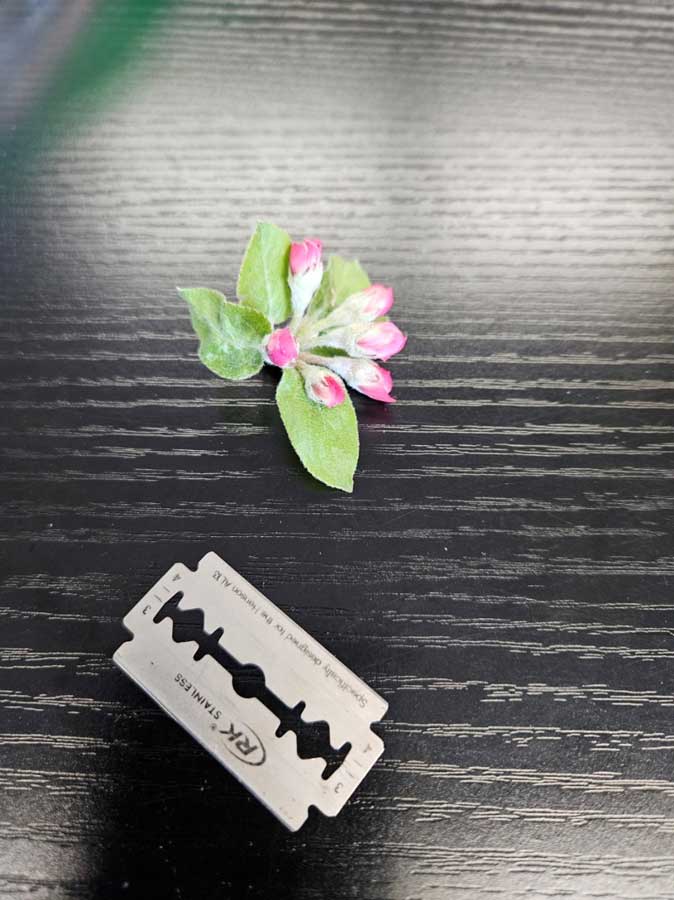
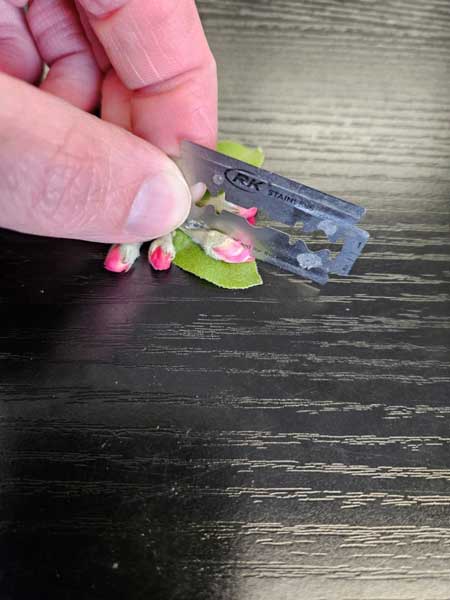
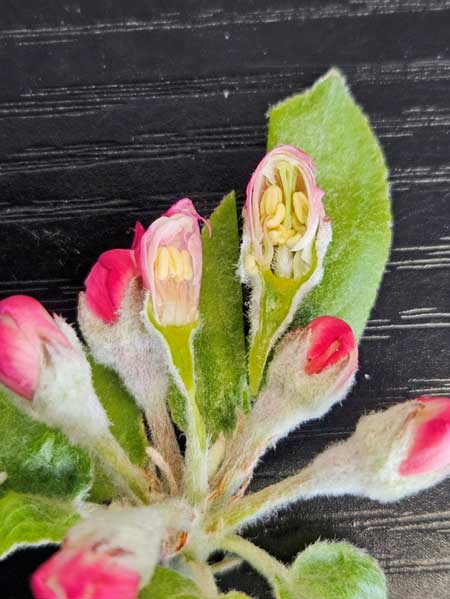
To determine frost damage, slice the flower or fruitlet in half. Brown tissue indicates death, while healthy tissue is green.
This link takes you to a table showing the critical damaging temperatures of different fruit tree species at their respective flower development stages.
For example, flower buds that are still tight and do not show any color can handle slightly lower temperatures than those that are about to open.
Sometimes a freeze can damage only part of the flower or leaves, leading to deformed developing tissue. Buds located lower in the tree canopy are more likely to be damaged or killed than those higher up.
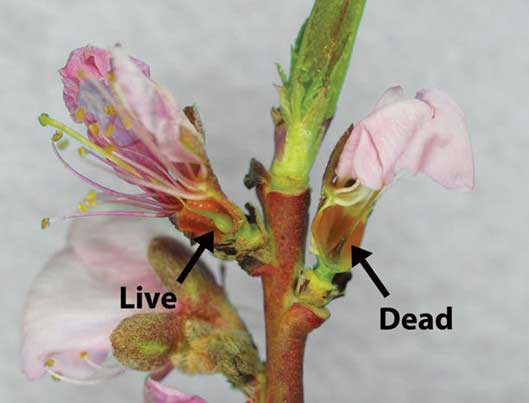
Here is how to tell if buds, flowers or fruitlets have been damaged:
- Wait about three to seven days after the freeze to inspect flowers and fruitlets.
- Select two to three flowers from each of the lower- and mid-tree canopy (about six flowers per tree) and split them evenly down the middle.
- Look for brown or black plant tissue within; this indicates death.
- Healthy tissue will be greenish or creamy yellow in color.
If a large part of the crop appears damaged, hold off on making a final assessment for a few weeks until the fruit normally begins to develop. This will help you determine the best course of action for this season.
At that point, you will need to decide whether to invest in pest management, nutrition and other management practices this year.