



Are you watering your lawn wrong? A common springtime trap
Published at
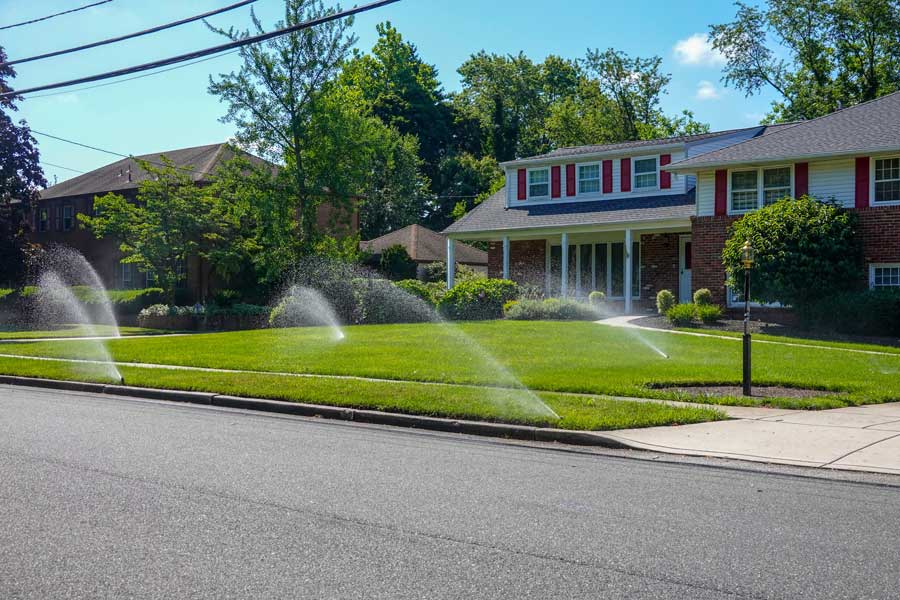
Every spring, I fall into the same trap — even though I know better.
As a shareholder in a small irrigation system without storage, I’m used to having plenty of water early in the season and very little later on. That reality shapes how I think about watering — and like many irrigators in dry climates, I struggle to stop myself from using water when it’s available.
The problem? That instinct is counterproductive later on.
The springtime mistake
Early in the year, when water is plentiful, it’s tempting to irrigate generously to get that lush, green lawn we all enjoy. But by doing so, we set ourselves up for problems later in the summer when water supplies tighten and temperatures rise.
In simple terms, we give our lawns exactly the wrong kind of training.
What your grass is really doing
Grass isn’t just what you see above ground. Below the surface is an equally important root system that searches for water and nutrients.
Above ground, grass blades capture sunlight and carbon dioxide. Through photosynthesis, the plant turns those resources—along with water—into energy for growth. Below ground, roots expand to support that growth.
And here’s the key: roots only grow where water exists.
The hidden problem with overwatering
We often hear good advice: Water less frequently, but more deeply. That approach encourages water to move deeper into the soil, which in turn encourages roots to grow deeper. Deeper roots mean a healthier, more drought-resistant lawn.
But here’s where many of us — myself included — go wrong.
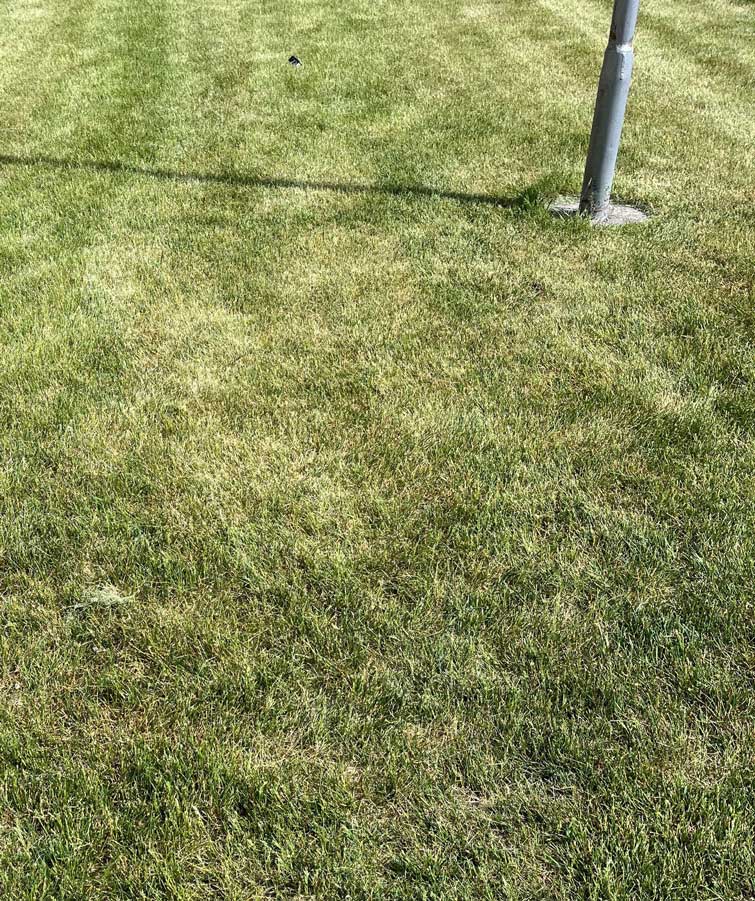
In spring, we overwater because water is abundant. This keeps moisture near the surface, and the grass responds by developing shallow roots. Then, when summer arrives and we try to switch to deeper, less frequent watering, the lawn isn’t prepared. Its roots simply aren’t deep enough to access moisture farther down in the soil.
In other words, we’ve unintentionally “spoiled” our grass.
Start preparing now
With the likelihood of tighter water supplies later in the season, now is the time to prepare your lawn.
That doesn’t mean letting it suffer; it means allowing just enough stress to encourage deeper root growth. A lawn that works a little harder now will be far more resilient when heat and water shortages arrive.
Practical tips for a healthier, more resilient lawn:
- Water deeply, not frequently: Frequent, shallow watering produces shallow roots. Instead, water deeply so moisture reaches further into the soil. A good target is about 1.5 inches of water per irrigation.
- Let your lawn work a little: A mild amount of water stress encourages roots to grow deeper. This helps your lawn become more drought-tolerant over time.
- Mow higher: Avoid cutting more than one-third of the grass blade at a time. Cut grass no lower than 2.5 to 3 inches tall. Taller grass supports deeper roots and helps shade the soil, reducing water loss.
- Be mindful of nitrogen: Nitrogen is the most limiting nutrient in most lawns — and it moves with water. Overwatering can push it below the root zone, meaning you’ll need more fertilizer to maintain a healthy lawn.
- Know your soil: Soil type plays a big role in watering needs. Sandy soils drain quickly and require more frequent watering. Clay soils hold water longer and can be irrigated less often.
As a rough guide, during the summer:
- Sandy soils may need watering every 2–3 days
- Loam soils every 3–5 days
- Clay soils every 4–6 days
Let your grass be your guide. If it shows signs of stress before the next scheduled irrigation, first try watering more deeply, not more often.
The bottom line
The best thing you can do for your lawn this summer starts right now.
It’s easy to overwater when water is plentiful, but that short-term gain leads to long-term problems. By encouraging deeper roots early in the season, you’ll build a lawn that can handle heat, drought and water restrictions far more effectively.