



Do movie stars even exist anymore?
Published at
There was a time when I went to the theater for one very specific reason:
Because Arnold Schwarzenegger was in it.
That was it. That was the entire sales pitch.
Did I know the plot? Nope.
Did I care who directed it? Absolutely not.
Was there a chance the movie would be terrible? Honestly… pretty high.
Did it matter? Not even a little bit.
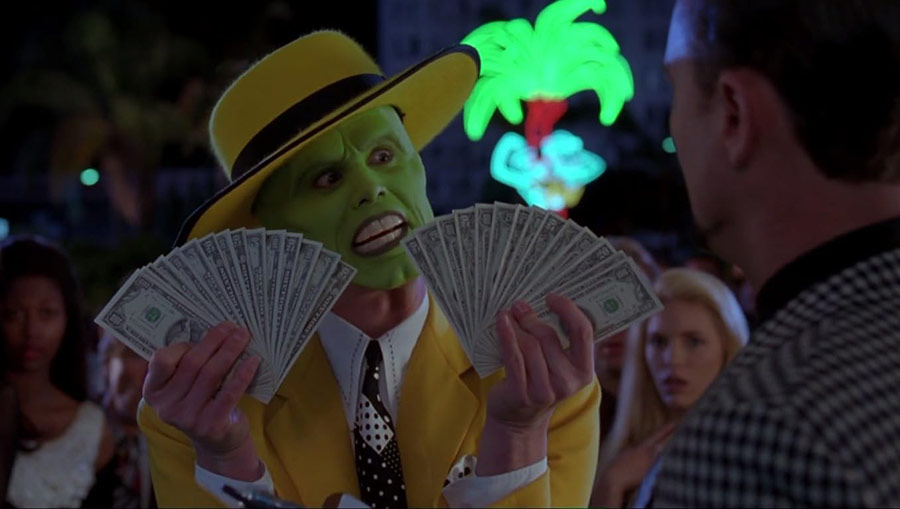
If Arnold had a machine gun on the poster and was squinting into an explosion, I was there opening weekend. Same thing with actors like Jim Carrey, Will Smith, Julia Roberts, Tom Cruise, or Robin Williams. Back then, actors were the event.
Somewhere along the way, however, that changed.
Now people don’t necessarily go because an actor is in something. They go because it’s:
- Marvel
- DC
- Star Wars
- Fast & Furious
- Pixar
- a reboot
- a remake
- a sequel to a reboot of a remake
The intellectual property became the star.
Whether good or bad, I think we all just slowly accepted it without really noticing.
The era when actors were the franchise
In the late ‘80s and throughout the ‘90s, movie stars felt larger than life.
Not in a worshipful way. More in a mythical entertainment figure kind of way.
You didn’t see them constantly. You’d catch them in a trailer, maybe an interview on “Entertainment Tonight”, or a late-night appearance promoting a movie. That was kind of it.
There was mystery there.
Now I can watch an actor eat spicy wings on YouTube, rank breakfast cereals on TikTok, give a house tour on Instagram, cry on a podcast or dance with their dog in a sponsored reel.
And look, I’m not saying actors shouldn’t be people. I’m just saying the mystique is gone.
Back then, Tom Cruise wasn’t “that guy from social media.” He was Maverick. Ethan Hunt. The coolest human being alive, sprinting in slow motion while synth music played behind him.
That separation mattered.
Movie stars felt cinematic because we mostly experienced them in movies.
Today, the brand matters more than the actor
The shift really hit me recently when I started thinking about why movies succeed now.
Take the new “The Running Man.”
On paper, it had everything:
- Glen Powell, who is undeniably charismatic
- A recognizable title tied to a cult classic
- Edgar Wright directing
Ten or 15 years ago, that combination would have felt like a guaranteed hit.
And yet, audiences didn’t exactly storm the theaters.
Meanwhile, in the ‘90s, if Cruise showed up in something like “Mission: Impossible”, people were there immediately. That movie became a massive franchise largely because audiences trusted him.
Not the brand, but him.
That’s a huge difference.
Maybe we’re just old
Now, to be fair, there’s a very real possibility that this entire column is just me aging in real time.
Maybe younger audiences absolutely see Dwayne Johnson, Zendaya, Timothée Chalamet, Ryan Gosling, and Glen Powell the same way I saw Arnold or Cruise growing up.
Some of them probably do.
Gosling especially feels close to old-school movie star energy. The man can do comedy, drama, action, musicals, weird indie films, and somehow still feels effortlessly cool while doing all of it. Glen Powell also feels like Hollywood is trying very hard to manufacture a classic movie star, and to his credit, he’s got the charisma to pull it off.
But even then, it still feels different.
Not smaller, necessarily. Just … fragmented.
Fame is wider now, but maybe not deeper
Here’s the weird thing about celebrity culture in 2026:
People are more famous than ever, yet somehow less culturally dominant.
Someone can have 40 million Instagram followers, viral TikToks, constant headlines, brand deals everywhere, and still not be able to open a movie.
That would’ve been unthinkable 30 years ago.
Back then, movie stars shaped culture. Everybody knew them. Everybody quoted them. Everybody watched the same movies.
At school, kids weren’t quoting algorithms or “6 – 7!”. On the playground, you heard us screaming, “Alrighty then,” “I have the need, the need for speed,” “Show me the money!” and “If that’s Seabass and the guys over there.”
Honestly, teachers probably should’ve banned Jim Carrey impressions nationwide by 1995.
But there was something communal about it. We were all watching the same stars.
Now entertainment feels scattered into a thousand tiny fandoms.
Hollywood replaced stars with intellectual property
Intellectual property is now the draw as opposed to actors, and if I’m being honest with myself I get it.
Actors got expensive. Audiences became unpredictable. Franchises felt safer.
So instead of building movies around stars, studios started building movies around logos.
Marvel became the draw. “Star Wars” found a new generation of fans. And “Fast & Furious” figured out how to become a massive franchise and … family.
The actor became interchangeable.
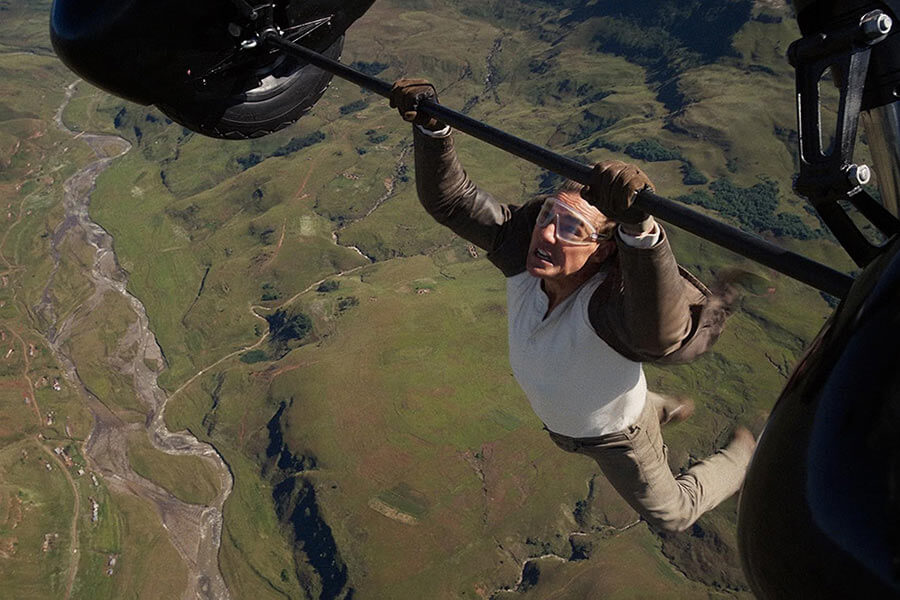
That’s probably why Tom Cruise still feels unique. He somehow survived the transition. He didn’t just star in franchises; he became the franchise.
People don’t watch “Mission: Impossible” because they’re deeply invested in IMF organizational structure.
They watch because they want to see what insane thing Tom Cruise is willing to do next without a stunt double.
Maybe what we really miss is shared culture
I don’t think this means movies are worse now. There are still incredible actors and fantastic films being made.
And I definitely don’t think we need to go back to treating celebrities like untouchable gods floating above society.
But I do think something changed when actors stopped being cultural anchors and became content creators alongside everyone else.
Movie stars used to feel like events.
Now everything is an event, all the time, constantly fighting for attention.
Maybe that’s why we keep going back to old stars, old movies and old franchises. Not because the past was perfect, but because for a brief moment it felt like we were all watching the same screen together.
I know I’m old, but I kind of miss that.