



Victor City Council appoints new mayor following Frohlich’s resignation
Published at
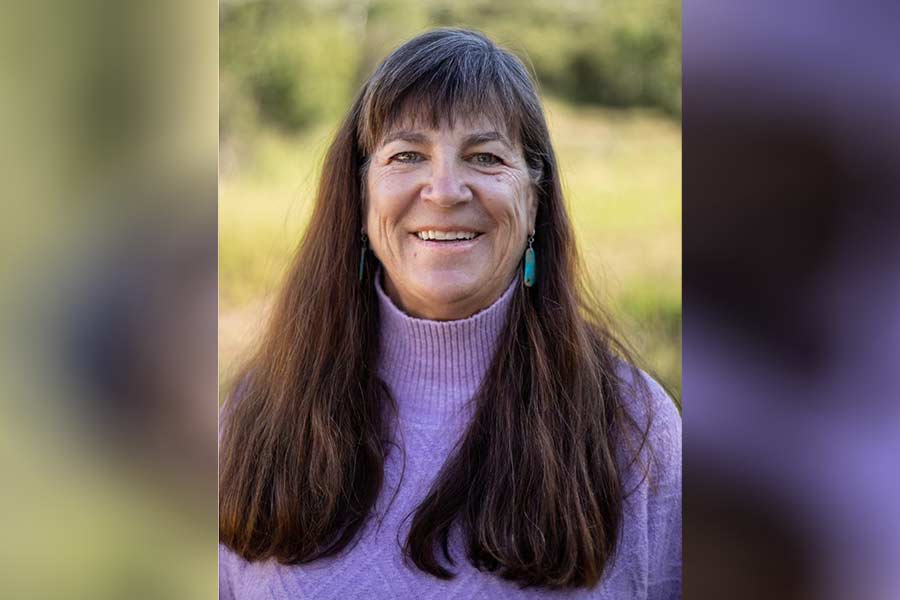
VICTOR — Days after Victor Mayor Will Frohlich resigned, a new mayor has been appointed in his stead.
On July 8, the Victor City Council appointed Councilmember Sue Muncaster to serve the remainder of Frohlich’s term, which expires in 2027.
EastIdahoNews.com was unable to reach Mancaster for comment, but in a July 10 news release she said her goal going forward is to “strengthen public confidence in local government.”
“Our job is to run the city efficiently while helping heal a divided community,” Muncaster said. “Victor needs leadership that welcomes debate before decisions are made, communicates clearly after decisions are made, and helps the community move forward once lawful decisions have been reached. Criticism of elected officials comes with the job. Harassment of public employees does not. Our staff and consultants deserve accountability, but they also deserve respect.”
RELATED | Victor mayor resigns amid heated recall fight
Mancaster’s appointment comes in the wake of an attempt to recall Frohlich from office; he resigned on July 1. Carol Nowakowski, a retired ski instructor at Jackson Hole Mountain Resort, started a petition process over the city’s handling of a years-long wastewater dispute with neighboring Driggs.
Since 2011, the cities have had a shared infrastructure agreement through the regional treatment plant in Driggs. A 2024 financial audit of the Driggs plant “revealed serious and ongoing irregularities.”
Since then, the Driggs plant has faced multiple violations of clean water standards.
On March 5, the city of Victor filed a lawsuit against Driggs after repeated financial disputes and miscommunication.
RELATED | Driggs in ‘hot water’ as City of Victor sues for alleged wastewater pollution violations
After a failed 9-hour attempt to resolve the dispute through mediation, the Victor City Council later annexed about 40 acres to build a new wastewater treatment plant within the city limits. The council sought judicial approval for a $35 million loan to fund it.
Under Idaho law, local governments cannot incur debt without a two-thirds majority consent from voters. The same law allows municipalities to bypass the election requirement if the expense is “ordinary and necessary.” In that case, a judge, rather than voters, authorizes the city to incur debt.
In an interview with Teton Valley News, Nowakowski claimed the city’s decision to seek judicial approval was not warranted because it bypassed the will of the voters. She said Frohlich “showed a ‘lack of leadership’ by suing Driggs rather than pursuing a cooperative solution; and that the proposed plant site … conflicts with the city’s commitment to preserving open space and agricultural land.”
The Teton County Clerk’s Office, which processed the recall petition against Frohlich, says the petition contained 298 valid signatures; 52 signatures were not valid. Idaho law requires recall election petitions to be signed by 20% of registered voters in that county.
In a written decision announcing his resignation, Frohlich said that he disagrees with the assertion that he’s “been the barrier to negotiations between Victor and Driggs” and spoke in favor of the city building its own state-of-the-art plant to “ensure that the river stays clean for future generations,” and so that Victor has “the ability to provide transparent financials and accurate record keeping.”
Although he expressed confidence that voters would decide to retain him in office, he ultimately decided it was in the best interests of the city to resign.
“I do not believe it to be in the best interest of the city to be embroiled for months in the defeat of the recall election, when so many more pressing issues face us,” Frohlich wrote. “After learning who is behind the recall effort and who is financing it, I believe the unfounded personal attacks will only persist. Out of respect for my family, our city, the community I care deeply about, and the responsibilities of my full-time career, I have decided I am no longer willing to remain involved in this dynamic.”
In the city’s news release, Muncaster says helping Victor navigate issues related to infrastructure and wastewater are among her priorities. Other priorities include strengthening communication with residents, supporting professional staff, improving public understanding of city decisions, and rebuilding trust with regional partners.
She also announced plans to expand communication through regular community coffee gatherings, newsletters and joint town halls with the City of Driggs. She also promised more proactive updates from the mayor and department heads so residents can better understand not only the decisions being made, but also how and why those decisions are reached.
“Our success will not be measured by balanced budgets or completed projects,” Muncaster said. “It will be measured by whether Victor and Teton Valley remain livable, grounded, welcoming, and wild in the best sense of the word. That means putting people and place first, protecting the character and natural beauty of our community, supporting local businesses and working families, and ensuring growth pays its own way so Victor remains a place where people can afford to live, work, raise children, and enjoy the extraordinary landscape that brought so many of us here.”
Muncaster’s appointment creates a vacancy on the Victor City Council. Details about a public application process and timeline for filling the vacancy will be announced in the coming weeks.