



Huckleberry Heaven: Why east Idaho is having a bumper crop this season
Published at
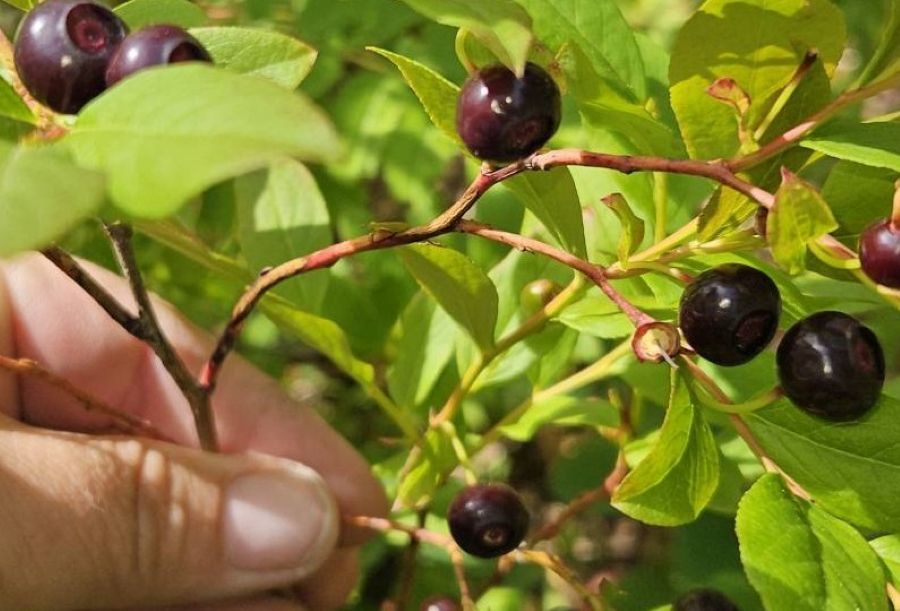
IDAHO FALLS — From Island Park to Montpelier and many spots in between, huckleberry season is in full swing in East Idaho and foragers say this year’s crop is one of the best they’ve ever seen.
According to Bracken Henderson, an extension educator with the University of Idaho in East Idaho, the ideal weather conditions can be attributed to the bumper crop.
Last fall’s moisture, a wet spring, warm temperatures, and the absence of a killing frost during bloom season all contributed to the strong turnout. A brief cold snap in June dumped snow in higher elevations, but Henderson said the hearty huckleberry bushes were likely past the vulnerable blossom stage when the snow hit with little to no damage to the fruit.
“The stars aligned and the timing is right for a bumper crop of huckleberries this year,” Henderson said.
Huckleberries typically ripen in East Idaho’s forests from mid-July through August, depending on elevation and the weather.
The wild berries prefer shady spots beneath evergreen canopies in high mountain forests and often grow in acidic, nutrient-rich, pine needle-covered soils that are difficult to replicate outside their natural environment.
“Huckleberries are a unique niche,” Henderson explained. “They’re incredibly hard to grow commercially or in gardens and efforts to domesticate them haven’t worked well. You really have to go to the mountains and find them.”
RELATED: Can I grow huckleberries in my garden?
And while many east Idahoans are happy to share their huckleberry pie or muffin recipes, they’re “berry secretive” about their favorite picking spots, often referring to them as “No Tell Canyon” or “Private Patch Peak.”
Adding to the elusive nature of huckleberries is the fact that they can’t be picked in bulk by machines, and using a rake damages the plants.
“There’s really no good way to harvest huckleberries other than old school – picking by hand,” Henderson said.
Unlike their cousin, the blueberry, huckleberries grow slowly—often taking several years to bear fruit and up to 15 years to reach full maturity. They’re also picky about their growing conditions, relying on specific soil fungi, cooler temperatures, and even wildfire cycles to thrive.
Henderson said that while some commercial products or businesses claim to contain huckleberries, they are often a hybrid variety that lack the intense, distinctive flavor of wild berries—or they’re blended with other fruits while still providing huckleberry flavor.”
“Because of their intense taste, a little goes a long way. Even just a few huckleberries in pancakes or mixed with a raspberry jam is enough to give a powerful flavor punch,” he said.
In addition to their intense flavor, huckleberries are packed with nutrients. They’re high in antioxidants, full of vitamin C, fiber, and iron—while naturally low in sugar and calories.
For those planning to hit the trail in search of huckleberries, Henderson encourages foragers to go beyond roadside patches and venture deeper into the shady forest where bushes are more heavily loaded.
According to one local forager, “One surefire way to know you’re close to a patch is the potent, unmistakable scent of huckleberries drifting through the air. You can literally smell them!”
But remember, humans aren’t the only ones with a nose and a taste for the ripe berries; bears also love huckleberries. Forest officials encourage everyone to be “Bear Aware” and take proper precautions while out huckleberry picking.
RELATED: How to survive a bear attack – or better yet, avoid one altogether
For those eager to learn more, here is one guide to huckleberry picking in Idaho.
There are plenty of other social media groups and websites dedicated to huckleberry foraging—but like any good patch, you’ll have to find them yourself.